Oct 18, 2026
|
Records, Churches and Places
Trace your Dutch Mennonite roots with this guide to doopsgezind church records, Frisian archives, key surnames and the churches you can still visit.
|
|
Love Netherlands
|
|
Dear Netherlands,
If you walk through Haarlem early on a weekday morning, you can still feel the rhythm of a 17th-century town that never quite left. Coffee at a canal-side café, a short cycle to the old centre, a pause at a bookshop that’s been in the same family for three generations. The Dutch don’t advertise this. They just live it.
|
|
Was this forwarded to you? Subscribe free and never miss an edition →
|
|
If the daily newsletter brings you closer to the Netherlands, our Sunday Premium Edition takes you deeper into it. Every Sunday you’ll receive travel deep dives, curated itineraries, regional stories, and hidden gems you won’t find anywhere else.
Upgrade for less than the price of a pint and see the Netherlands in a completely new way.
|
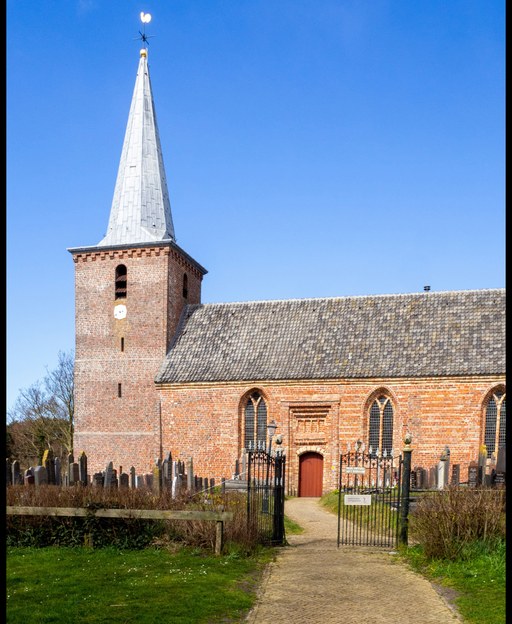
Photo via Love Netherlands
|
In today’s email:
- Tracing Your Dutch Mennonite Roots: Records, Churches and Places
- At The Café — In de Wildeman — Amsterdam’s Quietest Beer Cathedral
- Around The Web — Tracing Your Dutch Jewish Ancestry: Records, Archives and Memorials, The VOC Trail: Following Your Dutch Ancestors to the East, Why Your Dutch Ancestors Chose Their Surname in 1811: The Napoleon Naming Law + more
- From Love Netherlands — The Love Netherlands Guide № 009: Wooden Clogs (Klompen)
- Dutch Food You Will Love — Tompouce — The Dutch Pastry Built Like a Sandwich
|
Tracing Your Dutch Mennonite Roots: Records, Churches and Places
👉 Read the full story
Does your family belong to a Mennonite church? Do you carry a name like Friesen, Klassen or Janzen? Then your Dutch Mennonite roots may run deeper than you think. The story starts in the Netherlands, and the records still survive. Want Dutch heritage stories every week? Subscribe free → Dutch Mennonites call themselves doopsgezind , which means “baptism-minded”. They built a faith, a culture and a long paper trail. This guide shows you where to find that trail, how to read it and where to visit. Who Were the Dutch Mennonites? Anabaptism began in Zurich in 1525. Its followers baptised adults who chose faith for themselves. Most churches of the time baptised babies. The new idea spread fast and reached the Low Countries in the 1530s. Menno Simons gave the movement its name. He was a Catholic priest born around 1496 in Witmarsum, Friesland. He left the Catholic Church in 1536. He then…
👉 Read the full story
Have you been there? Do you have a memory of this corner of the Netherlands? Hit reply and tell us — we’d love to hear your story.
|
|
“Want deep dives into the Netherlands every Sunday? Our Premium readers already have their next edition waiting.”
|
At The Café
In de Wildeman — Amsterdam’s Quietest Beer Cathedral
In de Wildeman sits on the Kolksteeg, a narrow lane just off the Nieuwendijk, inside a former Amsterdam distillery turned proeflokaal — a tasting room. The room is dark wood and low ceilings, with brass taps and a wall lined with bottles. There are 18 beers on tap and around 250 more by the bottle, and the staff genuinely know which one to put in your hand. Order a Trappist, take a stool at the back bar, and listen to a city you thought you couldn’t escape. (Closed Sundays.)
👉 Visit the café
|
Around The Web
|
From Love Netherlands
Walk into a working clog shop and the first thing you notice is the smell: fresh, damp wood, because a good klomp is carved from a tree that was alive weeks earlier, not from a dry plank. Poplar and willow are soft and wet enough to cut like firm cheese, which is exactly why generations of Dutch makers chose them. This is Guide № 009 in The Love Netherlands Guide series. Get the Full Collectible Guide (Free PDF) Wooden Clogs (Klompen) — in a…
👉 Read the full story
|
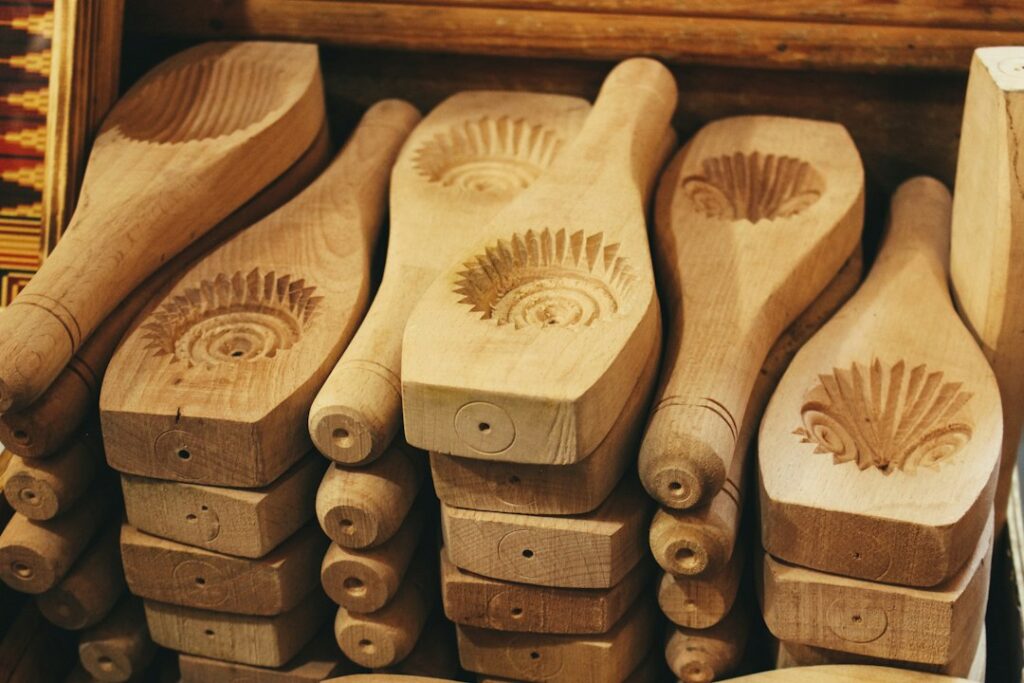
Photo: Photo by Jametlene Reskp on Unsplash
|
Dutch Food You Will Love
Tompouce — The Dutch Pastry Built Like a Sandwich
A tompouce is two crisp layers of puff pastry sandwiching a slab of vanilla pastry cream, topped with a layer of bright pink fondant icing. It’s the dessert that signals minor celebration in the Netherlands — birthdays at the office, retirements, Friday afternoons. On King’s Day the icing turns orange instead of pink. The tompouce is impossible to eat tidily and the Dutch love arguing about whether you should attack it from the side with a fork or just give in and eat it with your hands. The official answer is: there is no official answer.
👉 Read the full story
|
|
Know Someone Who Loves the Netherlands?
If you’re enjoying this letter, the best thing you could do is forward it to one friend who’d love the Netherlands too. This newsletter grows by word of mouth alone — every single subscriber came from someone sending it to someone else. Thank you for being one of the first.
|
|
Our daily newsletter is free and always will be. But for less than the price of a pint, you can upgrade to our Sunday Premium Edition, which gives you access to our travel deep dives, curated itineraries, and regional stories. Consider buying us a stroopwafel — it’s the Dutch way to say thank you.
|
Also From Our Family
Love Ireland too? Over 64,000 readers wake up each morning to the Love Ireland newsletter — loveireland.substack.com
Or Scotland? Join 43,000 Scotland lovers — lovescotland.substack.com
|
|
Ever thought about actually moving to the Netherlands? Watch this →
|
|
You’re reading Love Netherlands — a free letter about canal towns, hidden villages, and Dutch stories, delivered Monday to Friday.
inlovewithnetherlands.com ·
Unsubscribe
© 2026 Love Netherlands · Part of the Love To Visit LLC family
|