

A Weekend in Leiden
Rembrandt’s birthplace, the Pilgrims’ refuge and the Netherlands’ oldest botanical garden, all within a ring of canals.
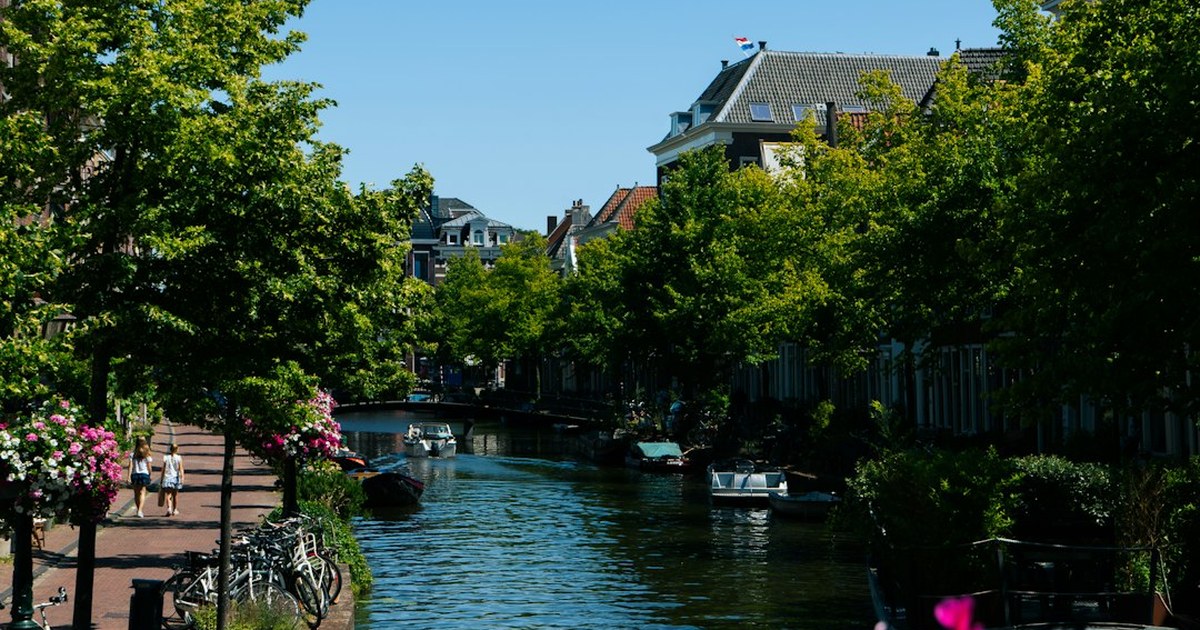
An introduction to Leiden
Most visitors to the Netherlands fix on Amsterdam and, if they are adventurous, Delft. Leiden sits quietly between them and The Hague, about fifteen minutes by train from Schiphol. It is a place of cobbled lanes, tall brick gables and water on every side. Rembrandt van Rijn was born here in 1606, the son of a miller. A few years later a small band of English religious exiles, later remembered as the Pilgrim Fathers, found shelter here before sailing for the New World.
Leiden’s story turns on a single autumn day. In 1574 the city endured a long Spanish siege, and on 3 October the Sea Beggars finally broke it. As a repay for its resilience, William of Orange offered Leiden a choice of a tax exemption or a university. The citizens chose the university, and the Netherlands’ oldest seat of learning opened its doors in 1575. That decision still shapes the city. Students cycle across the bridges, scholars’ houses line the Rapenburg, and the old gardens and museums were built to serve study and curiosity.
Leiden is also one of the easiest Dutch cities to love. The historic centre is small enough to cross on foot in half an hour, yet it holds some of the best museums in the country. There are around thirty-five hofjes, the tiny almshouse courtyards that are among the Netherlands’ best-kept secrets. There are a medieval hilltop fortress, a working-style windmill museum, and a botanical garden that has been growing plants since 1590. Crowds are thin by Dutch standards, and the pace is gentle.
This guide takes you through the city’s five great draws and then ties them together with the stories of its two most famous departures, Rembrandt’s and the Pilgrims’. We close with a three-day itinerary, where to stay, and a few quiet pleasures worth lingering over.
In this email
- The Hortus Botanicus: the oldest botanical garden in the Netherlands
- The ring of canals and hofjes: the Rapenburg, hidden courtyards and wall poems
- The Rijksmuseum van Oudheden: Egypt, Rome and the Netherlands before the Dutch
- De Valk windmill: a climb, a view and a miller’s home
- The Burcht: the city’s ancient hilltop fortress
- Rembrandt and the Pilgrim Fathers: following two famous footsteps
Best time to visit: Spring is the showpiece. From April to May the Hortus is in bloom, and the bulb fields around Lisse and Keukenhof are a short trip away. Early October brings Leidens Ontzet on 3 October, when the city celebrates the relief of the siege with fairs, music and a traditional meal of herring and white bread. Summer is warm and lively on the canals. Autumn and winter are quieter and cosy, with museums, cafés and early candlelit evenings.
Travel logistics: Leiden Centraal is on the main line. Trains reach it in around 35 minutes from Amsterdam Centraal, 15 minutes from Schiphol and 10 to 15 minutes from The Hague. The station sits at the edge of the old town, a short walk from the centre. Once you arrive you will need nothing more than comfortable shoes, although hiring a bicycle is the most Dutch way to explore. In season, buses run from the station to Keukenhof, and you can reach the beach at Katwijk by bus in around twenty minutes. Opening times, tickets and seasonal hours change, so check each attraction’s website before you go.
Continue reading with a Premium subscription
This is a Love Netherlands Sunday Premium guide. Premium subscribers receive the full article in their inbox every Sunday and unlock the full archive of past editions.
Become a Premium subscriber →Tours & experiences you might love


Powered by Viator. Some links are affiliate links — we may earn a small commission at no extra cost to you.