

You searched the records and found the name of your Dutch ancestral town. Now the real question begins. What do you do with a place name? This guide shows you what to do next, from checking the map to standing in the street where your family lived.
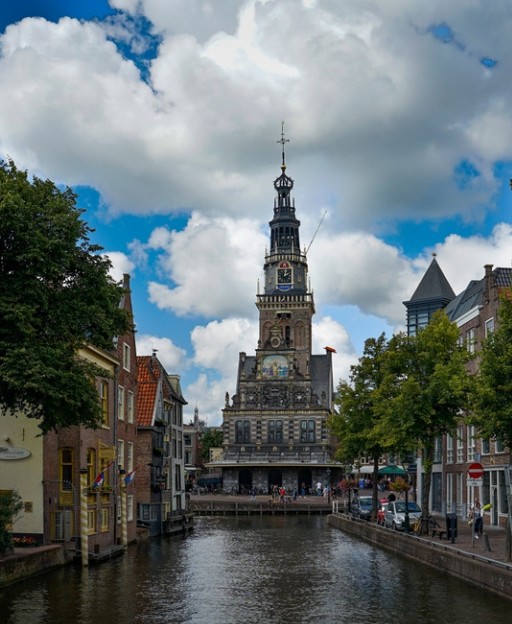
Check you have the right Dutch ancestral town
Start with a hard look at the name. Many Dutch place names repeat across the country. Bergen lies in North Holland, and another Bergen lies in Limburg. Check the province before you plan anything.
Next, look at the record that gave you the name. A birth, marriage or death record usually states the town. A passenger list or a church book may only give a village or hamlet. Write down exactly what each document says and where you found it.
If you have only a family story, treat it as a clue. Stories shift over three or four generations. A “town near Rotterdam” can turn out to be a village forty kilometres away. Search for the name in the Dutch records covered in our step-by-step ancestry guide before you book a ticket.
Step 1: Map the place as it was and as it is
Dutch towns have changed a great deal. Many municipalities (gemeenten) have merged over the past two centuries. Your ancestors’ village may now sit inside a larger gemeente with a different name.
Use old and new maps side by side. The site Topotijdreis lets you slide through historic topographic maps. Its earliest maps date from the early nineteenth century. You can watch fields turn into streets and see which farms and chapels still stand.
Note three things as you look:
- The old name and the new name of the town, and the gemeente that covers it today.
- The parish church and any chapels nearby. Church books hold your oldest records.
- The nearest regional archive. Your town’s papers may sit there, not in the town hall.
Step 2: Find the archive that holds your town’s records
Dutch records sit in several places. Regional archives hold most civil and church records. Some cities run their own archive. The Nationaal Archief in The Hague holds national papers. Read about its collections on the Nationaal Archief website.
Regional archives often carry the name of the province. Examples include Tresoar in Friesland, Gelders Archief in Gelderland and Het Utrechts Archief in Utrecht. Search for “streekarchief” or “regionaal archief” plus your town’s name to find yours.
Before you visit, search online. Open Archives gathers records from many Dutch archives in one search box. Delpher holds digitised newspapers, where your family may appear in notices and reports. Every site sets its own access rules, so read them first.
🇳🇱 Enjoying this? Netherlands lovers get stories like this every week. Subscribe free →
Step 3: Read the records that name your family’s address
Birth, marriage and death records tell you who your ancestors were. Other records tell you where they lived. Ask the archive about these four types.
- Population registers (bevolkingsregisters). From about 1850, most towns kept a register of every household. It can list addresses, jobs, religion and moves between towns.
- Land and property records. The land registry (Kadaster) and local deeds can show which plot your family owned or rented.
- Church books. Before civil registration began in 1811, baptisms, marriages and burials went into parish books. Our guide to church and cemetery records explains how to read them.
- Local newspapers. A notice about a shop, a wedding or a funeral can bring a name to life.
Dutch law keeps recent civil records private. Birth records usually open after 100 years, marriage records after 75 and death records after 50. Ask the archive which records you can see.
Write an address down whenever you find one. A street name turns a paper trail into a place you can walk to.
Names can also trip you up. Before 1811, many families used a father’s name as a surname. Our article on the 1811 surname law explains why your family’s spelling may change from one record to the next.
Step 4: Contact local people before you travel
Archives hold paper. Local people hold memory. Contact them early, and your visit will go much further.
Look for a local history society. In the south, people often call it a heemkundekring. Elsewhere you may find a “historische vereniging”. Volunteers there know the old families, the lost farms and the street names that changed. Many welcome questions from descendants.
Write a short, polite email. Give your ancestor’s name, the years you know, and the one thing you hope to learn. Attach a copy of your key record. Keep it brief, and say thank you.
The Nederlandse Genealogische Vereniging and the CBG also help with research questions. They can point you to local experts.
Check whether the archive wants you to book a place in its study room. Many do. Ask in advance, so you do not travel for a closed door.
Step 5: Plan one good day in your ancestral town
You do not need a week. One well-planned day can change how you feel about your family. Use this simple shape and adjust it to your town.
- Morning: the archive. Arrive with your questions written down. Ask to see the originals if the archive allows it. Photograph what the rules permit.
- Midday: walk the streets. Take your list of addresses. Compare the old maps with what you see. Look at roof lines, brickwork and the shape of the street.
- Afternoon: church and cemetery. Visit the parish church. Many village churches stay locked outside service times, so ask the local parish or history society for access. Then find the cemetery (begraafplaats). Cemeteries often rent graves for a set term and may clear them when the term ends. Your ancestor’s stone may no longer stand. The burial register still tells the story.
- Evening: write it down. Over dinner, record what you saw and felt while it is fresh. These notes become the best part of your family history.
If you want a longer route, our 5-day heritage itinerary links several towns. Our guide to planning a heritage trip covers travel, lodging and timing.
Dutch words that open doors
Most Dutch people speak good English. Still, a few Dutch words show respect and often bring a smile. Learn these before you go.
- Goedendag, ik zoek informatie over mijn voorouders. “Hello, I am looking for information about my ancestors.”
- Mijn overgrootvader woonde hier. “My great-grandfather lived here.”
- Heeft u een bevolkingsregister? “Do you have a population register?”
- Waar is de begraafplaats? “Where is the cemetery?”
- Dank u wel. “Thank you.”
Meeting people who share your name
Sooner or later, you may meet someone who shares your surname. Treat that moment with care. Some families know their history well. Others have never thought about it.
Introduce yourself first. Explain who you are and why you came. Offer to share what you have found. Do not turn up at a door unannounced. A letter or a message through the history society is kinder.
Many descendants find that a single conversation changes the trip. A neighbour remembers a nickname. A cousin keeps a photo in a drawer. These small things rarely appear in an archive.
What if the trail runs cold?
Sometimes the town gives you no more. The records burned, the family moved on, or the name changed. Do not stop there.
Try the neighbouring towns. Families often moved a few kilometres for work or marriage. Look at the places where siblings married. Check whether your family belonged to a smaller faith community, such as the groups covered in our guides to Dutch Jewish ancestry and Dutch Mennonite roots. If your family left the Netherlands, our guide to emigrant ships and passenger lists can help. For families linked to the former Dutch East Indies, start with our Dutch-Indonesian heritage guide.
Frequently asked questions
How do I find the archive for my Dutch ancestral town?
Search for the town’s name plus “streekarchief” or “regionaal archief”. Open Archives also shows which archive holds each record. If the search fails, ask the town hall or the local history society.
Do I need to speak Dutch to visit a Dutch archive?
No. Staff at many archives speak English. Old records are another matter, because Dutch is the language of the archive books. A few key words and a patient search will take you a long way.
Can I visit my ancestor’s house?
Sometimes. Many old farmhouses and town houses still stand, but people live in them. Never enter private property without an invitation. Photograph the outside from the public road, and ask the local history society about the house’s story.
What if my family’s grave no longer exists?
Cemeteries often rent graves for a set term and may clear them afterwards. The burial register still records the burial. Ask the cemetery office or the archive for the entry.
How long should I spend in my ancestral town?
One full day gives you enough time for the archive, the streets and the cemetery. Add a second day if you hope to meet local historians or relatives.
Your family left a mark on one small place on the map. The streets are still there. The church bell still rings. Stand where they stood, and your story gains its first true chapter. Your opa left Holland. Now it’s time to go back.
You Might Also Enjoy
- Dutch-American Church and Cemetery Records: A Practical Guide
- The Dutch-American Homecoming: From New York to Old Holland
- How to Plan a Dutch Heritage Trip to Your Ancestral Town
Join Netherlands Lovers
Every week, discover the Netherlands beyond the tourist trail — hidden villages, local recipes, cycling routes, and travel insights you won’t find in any guidebook.
Subscribe free — enter your email:
Already subscribed? Explore our archives for more hidden Dutch gems.
Free forever · One email per week · Unsubscribe anytime
Plan Your Netherlands Trip
Ready to visit the town your family left? Start with our Start Here page. It shows you how to plan a trip around your roots.
Tours & experiences you might love


Powered by Viator. Some links are affiliate links — we may earn a small commission at no extra cost to you.