

Your great-grandmother left a small Dutch town in the 1890s. She packed a single trunk and sailed to a new world. She never went back.
You have her photograph. You have her name. You have the name of the town she left behind.
Now you want to go.
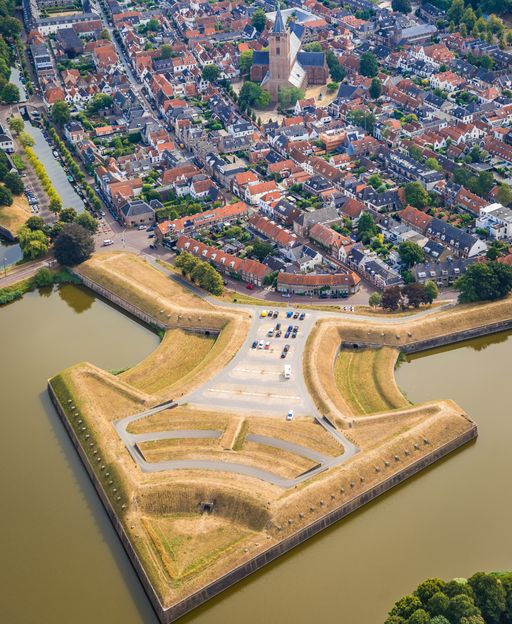
A Dutch heritage trip connects you with something larger than travel. You are not just visiting a country. You are returning to a place that shaped who you are. This guide walks you through every step — from your first family records to standing in the village your ancestors called home.
Start With What You Already Have
Before you buy a flight, gather every document your family kept. Old passports, birth certificates, and marriage records all contain clues. Look for names, dates, and place names. Even a handwritten letter can point you to a province or a town.
Ask older relatives what they remember. Write it all down. Record them if they allow it. Family memory holds details that no archive can replace.
Write down every name variation you know. Dutch names changed when families emigrated. De Vries became Davis. Van den Berg became Vandenberg. Knowing the original Dutch spelling helps enormously once you reach the Netherlands.
Start with online resources before you travel. WieWasWie.nl holds millions of Dutch civil records from 1811 onwards. FamilySearch has extensive Netherlands collections you can search for free. The more you know before you go, the more productive your visit will be.
For a detailed guide to tracing your Dutch roots online, read our complete step-by-step Dutch ancestry guide.
Find Your Ancestral Town
The name of a town on an old document is a starting point. It may be a city, a village, or a hamlet that no longer exists under that name.
Search the name on the Meertens Institute’s Dutch place name database. Look it up on Google Maps. Check whether it has merged with a larger municipality. Many small Dutch villages became part of a greater gemeente in the 20th century.
Once you identify the right place, find out which province it sits in. Each Dutch province has its own character, culture, and language traditions. Frisian families from the north carry very different traditions from Catholic families in Limburg. Knowing the province helps you understand the world your ancestors lived in.
Provincial archives hold records for the whole province, not just the main city. The Streekarchief covers smaller areas. Both are invaluable research destinations.
Visit the Gemeentearchief
The gemeentearchief is the municipal archive. It holds birth, marriage, and death registers from 1811 onwards. It also holds church records, land surveys, and local newspapers.
Contact the archive before you travel. Most Dutch archives have an English-speaking staff member. Send an email with the names and approximate dates you are researching. Ask whether an appointment is necessary — most archives require one for access to original documents.
Bring your photo ID and a printed list of names and dates. Bring a notebook. Many archives allow photography, so bring your phone or a camera.
Allow a full day. Heritage researchers who plan for a full day consistently find more than those who allow a half-day. Dutch civil servants recorded births, marriages, and deaths with remarkable precision. A single record can give you a father’s name, a mother’s maiden name, and the names of neighbours who witnessed the event.
🇳🇱 Enjoying this? Netherlands lovers get stories like this every week. Subscribe free →
Explore Church Records Before 1811
Civil registration began in 1811 under Napoleon. Before that date, churches kept the records.
Reformed (Hervormd) churches recorded baptisms, marriages, and burials across the northern and western Netherlands. Catholic churches did the same in the south and east. Jewish communities kept their own records.
Many church registers survive in the gemeentearchief or the provincial archives. Delpher.nl holds digitised historical newspapers and documents, including some church records. The CBG Centrum voor Familiegeschiedenis in The Hague holds genealogical collections that span centuries.
For families with roots in the Dutch East Indies, the VOC (Dutch East India Company) kept detailed records of every employee. The National Archives in The Hague holds these. Our guide to following the VOC Trail through the Netherlands explains how to access these collections.
Walk to the Old Churchyard
Many Dutch families buried their dead in the churchyard next to the village church. Some graves date back centuries. Others mark the exact names you have been researching.
Search Online Begraafplaatsen before you travel. Volunteers have photographed and indexed thousands of Dutch graves. You may find the stone you are looking for before you even land.
When you arrive, walk slowly. Read every stone. Photograph what you find. Note the names of people buried nearby — they were often relatives or neighbours.
Standing at a grave changes something. Research becomes real. Names become people. The emotional weight of that moment is something no website can give you.
Immerse Yourself in Your Ancestral Province
The Netherlands has twelve provinces. Each one has its own landscape, culture, and identity. Friesland has its own language. Zeeland has its islands and tidal estuaries. Limburg has rolling hills, Catholicism, and Burgundian food traditions.
Your ancestors lived inside one of those worlds. They spoke its dialect. They ate its food. They observed its local customs. Spending time in the province helps you understand them.
Visit the local heritage museum (heemkundemuseum). Ask at the local library. Many small Dutch towns have a volunteer-run historical society that welcomes visitors with family connections to the area.
If you have South African Boer ancestry, your roots connect to the Netherlands through specific VOC records and colonial-era documents. Read our guide to tracing your Boer ancestry through Dutch archives. For Dutch-Indonesian families, our complete guide for the Indo diaspora covers the specific records most useful for your research.
A Suggested Three-Day Heritage Itinerary
Day One: Arrive and Orient Yourself
Arrive in your ancestral town by late afternoon. Walk the main streets. Find the old town centre and the historic church. Eat a local meal. Let the place become familiar before you start researching.
Day Two: The Archive and the Churchyard
Spend the morning at the gemeentearchief or provincial archive. Bring your list of names and dates. Ask for help — archivists are specialists, and they enjoy helping families trace their roots.
After lunch, visit the churchyard. Allow more time than you think you need. Walk the whole site and photograph every relevant stone.
In the afternoon, visit the local history museum if one exists. Local museums often hold photographs, maps, and objects that national collections do not.
Day Three: Neighbouring Villages and Living Connections
Your ancestors did not live in isolation. They married into families from neighbouring villages. They worked in towns five kilometres away. Follow those connections today.
If you have contacted Dutch cousins or local family historians in advance, meet them today. These conversations often reveal details that no archive holds.
See our 5-Day Dutch Heritage Itinerary if you want to extend your trip across multiple provinces.
Practical Tips Before You Travel
Book archive appointments in advance. Most Dutch archives require an appointment for access to original documents. Contact them six to eight weeks before you travel.
Consider hiring a local genealogist. The Netherlands Genealogical Society (NGV) has a directory of professional genealogists. A local researcher can find in one afternoon what might take you three days to locate independently.
Learn a few Dutch phrases. Most Dutch people speak excellent English. A polite greeting in Dutch still opens doors.
Allow more time than you think you need. Heritage travel slows down. You find one record and it leads you to three more. Plan for detours. Leave the afternoons flexible.
Take notes in the archive, not just photographs. Photographs can be hard to read later. Write down exactly what you found, in which record series, and on which date.
For diaspora-specific planning guides, see The Dutch-American Homecoming or our guide for Dutch-Australian families planning a heritage return.
Frequently Asked Questions
What is the best archive to visit for a Dutch heritage trip?
The gemeentearchief of your ancestral town is the best starting point. It holds civil registration records from 1811 onwards. For earlier research or colonial-era records, the National Archives in The Hague holds the VOC collections and other national materials.
Do Dutch archives have English-speaking staff?
Yes. Most Dutch municipal and provincial archives employ staff who speak English. Contact them by email before your visit to introduce yourself and explain your research. They are very helpful to visiting diaspora researchers.
How far back can Dutch records reach?
Church records in the Netherlands can reach back to the late 16th century in some areas. Civil records begin in 1811. Records from the Dutch Golden Age (17th century) survive in many archives, particularly for families connected to trade or the Reformed Church.
Can I plan a Dutch heritage trip without knowing the exact town my ancestors came from?
Yes. Begin with names, approximate dates, and the country of origin. WieWasWie.nl lets you search across all Dutch records simultaneously. A professional genealogist can help narrow down the location. Many families identify their ancestral town during the research process itself.
What is the best time of year to visit the Netherlands for genealogy research?
Spring and autumn are the best times for heritage travel in the Netherlands. Archives are less busy than in summer. The weather suits long days of walking and research. Avoid the peak summer months if your goal is focused genealogy work rather than sightseeing.
You Might Also Enjoy
- How to Trace Your Dutch Ancestry – Step-by-Step Guide (2026)
- The Dutch-American Homecoming: From New York to Old Holland
- Dutch-Australian Heritage Trip: How to Plan Your Homecoming
Join Netherlands Lovers
Every week, discover the Netherlands beyond the tourist trail — hidden villages, local recipes, cycling routes, and travel insights you won’t find in any guidebook.
Subscribe free — enter your email:
Already subscribed? Explore our archives for more hidden Dutch gems.
Love more? Join 64,000 Ireland lovers → · Join 43,000 Scotland lovers → · Join 30,000 Italy lovers →
Free forever · One email per week · Unsubscribe anytime
Plan Your Netherlands Trip
Ready to start planning? Visit our Start Here page for everything you need to arrange your Dutch heritage journey.
Tours & experiences you might love


Powered by Viator. Some links are affiliate links — we may earn a small commission at no extra cost to you.