
Oct 19, 2026
|
Why Dutch clogs still matter
Discover how poplar and willow transformed footwear into folk art, and why farmers still wear them today.
|
|
Love Netherlands
|
|
Dear Netherlands,
Amsterdam in April has a particular kind of quiet. The tulips are out in the park. The café terraces are full by ten. Somewhere in the Jordaan a church bell is telling the hour, and a barge is gliding past, and a child is learning to cycle without training wheels. This is the version of the Netherlands you came for.
|
|
Was this forwarded to you? Subscribe free and never miss an edition →
|
|
If the daily newsletter brings you closer to the Netherlands, our Sunday Premium Edition takes you deeper into it. Every Sunday you’ll receive travel deep dives, curated itineraries, regional stories, and hidden gems you won’t find anywhere else.
Upgrade for less than the price of a pint and see the Netherlands in a completely new way.
|
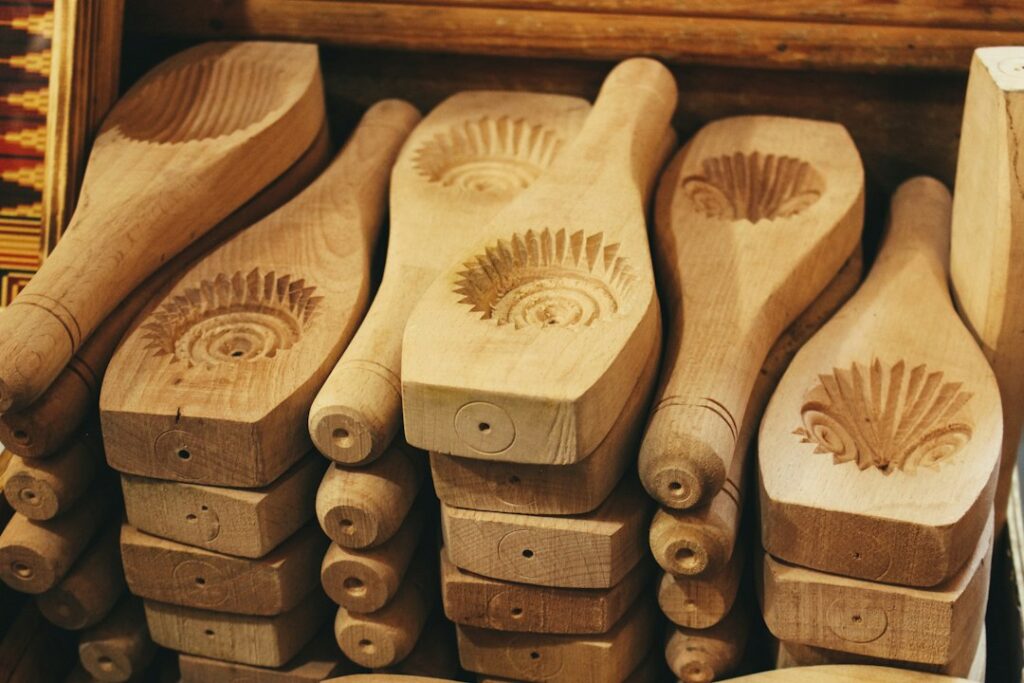
Photo: Photo by Jametlene Reskp on Unsplash
|
In today’s email:
- The Love Netherlands Guide № 009: Wooden Clogs (Klompen)
- At The Café — Café De Druif — A Sailors’ Bar With a Pirate’s Story
- Around The Web — The VOC Trail: Following Your Dutch Ancestors to the East, Why Your Dutch Ancestors Chose Their Surname in 1811: The Napoleon Naming Law, Best Christmas Markets in the Netherlands (2026 Guide) + more
- From Love Netherlands — Tracing Your Dutch Jewish Ancestry: Records, Archives and Memorials
- Dutch Food You Will Love — Speculaas — The Spiced Biscuit That Smells Like Christmas
|
The Love Netherlands Guide № 009: Wooden Clogs (Klompen)
👉 Read the full story
Walk into a working clog shop and the first thing you notice is the smell: fresh, damp wood, because a good klomp is carved from a tree that was alive weeks earlier, not from a dry plank. Poplar and willow are soft and wet enough to cut like firm cheese, which is exactly why generations of Dutch makers chose them. This is Guide № 009 in The Love Netherlands Guide series. Get the Full Collectible Guide (Free PDF) Wooden Clogs (Klompen) — in a beautifully designed, printable booklet. The Love Netherlands Guide № 009. Download The Love Netherlands Guide № 009 (Free PDF) From Living Tree to Finished Shoe A clog starts as a block of green (freshly felled) poplar or willow, split to roughly the size of a foot. Traditionally the maker roughed out the shape with a long-handled chopping knife hinged to the bench, then hollowed the inside with a spoon-shaped bit — two completely separate skills,…
👉 Read the full story
Have you been there? Do you have a memory of this corner of the Netherlands? Hit reply and tell us — we’d love to hear your story.
|
|
“Want deep dives into the Netherlands every Sunday? Our Premium readers already have their next edition waiting.”
|
At The Café
Café De Druif — A Sailors’ Bar With a Pirate’s Story
Café De Druif on the Rapenburgerplein is a small brown café in Amsterdam’s old Eastern Docklands neighbourhood, founded in 1631. It once served sailors heading out from the East India Company quays, and the worn wooden bar has barely changed. Folklore says Piet Hein — the Dutch admiral who captured the Spanish silver fleet — drank here. The place is small, the regulars are friendly, and on a quiet weekday afternoon you can sit alone with a borrel of jenever and feel four centuries of Amsterdam waterfront history settle around you.
👉 Visit the café
|
Around The Web
|
From Love Netherlands
Your grandmother mentioned a Dutch family name. An old photograph shows a canal house in Amsterdam. Many people begin their search for Dutch Jewish ancestry with small clues like these. This guide shows you where to look next. Jewish families have lived in the Netherlands for more than 400 years. Their records are rich and detailed. Their story also includes deep loss. This guide covers both with care, and it gives you a clear path to follow.…
👉 Read the full story
|
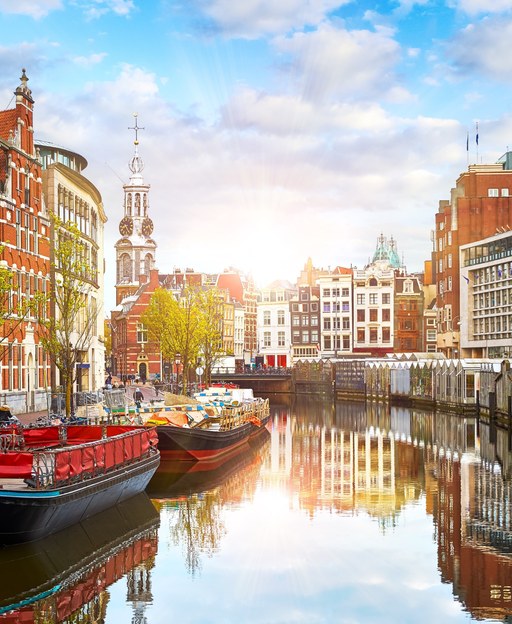
Photo: Shutterstock
|
Dutch Food You Will Love
Speculaas — The Spiced Biscuit That Smells Like Christmas
Speculaas is a thin, crisp biscuit pressed with a wooden mould into intricate patterns — windmills, ships, faces from old folktales — and spiced with cinnamon, nutmeg, cloves, ginger, white pepper and cardamom. It’s eaten year-round but reaches its peak in early December when bakeries make whole speculaaspoppen the size of your forearm. The big windmill-shaped biscuits show up free on saucers at every café from October onwards. A good speculaas should snap cleanly between your fingers and release the warm spice smell before you’ve even raised it to your mouth.
👉 Read the full story
|
|
Know Someone Who Loves the Netherlands?
If you’re enjoying this letter, the best thing you could do is forward it to one friend who’d love the Netherlands too. This newsletter grows by word of mouth alone — every single subscriber came from someone sending it to someone else. Thank you for being one of the first.
|
|
Our daily newsletter is free and always will be. But for less than the price of a pint, you can upgrade to our Sunday Premium Edition, which gives you access to our travel deep dives, curated itineraries, and regional stories. Consider buying us a stroopwafel — it’s the Dutch way to say thank you.
|
Also From Our Family
Love Ireland too? Over 64,000 readers wake up each morning to the Love Ireland newsletter — loveireland.substack.com
Or Scotland? Join 43,000 Scotland lovers — lovescotland.substack.com
|
|
Ever thought about actually moving to the Netherlands? Watch this →
|
|
You’re reading Love Netherlands — a free letter about canal towns, hidden villages, and Dutch stories, delivered Monday to Friday.
inlovewithnetherlands.com ·
Unsubscribe
© 2026 Love Netherlands · Part of the Love To Visit LLC family
|