

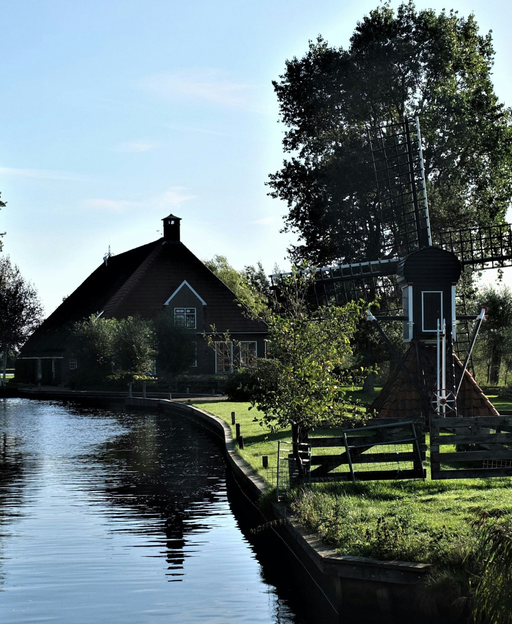
Your grandparents packed two suitcases and sailed away from the Netherlands. They left behind a flat country of dykes, church towers, bicycle paths, and brick farmhouses. They chose Australia. Now it is your turn to plan a Dutch-Australian heritage trip and go the other direction.
Did you know? Around 160,000 Dutch people emigrated to Australia between 1951 and 1980 — making the Netherlands one of Australia’s largest postwar European migration sources. Today, roughly 340,000 Australians carry Dutch heritage.
This guide helps you find your ancestral province, locate the key archives, and plan a journey that goes far beyond the tourist highlights. Your family’s story runs deeper than windmills and tulips.
Why the Dutch Left for Australia
In 1951, the Dutch and Australian governments signed an Assisted Passage Migration Agreement. Australia needed workers. The Netherlands had too many people and too little farmland after six years of German occupation. Families paid just ten Australian pounds for the entire voyage.
Ships like the Johan van Oldenbarnevelt and the ss Oranje carried Dutch emigrants from Rotterdam to Fremantle and Sydney. The journey took six weeks. Passengers left behind everything they knew.
Dutch families came from every province. Friesland sent dairy farmers. Zeeland and South Holland sent people who understood water and land. Gelderland and North Brabant sent Catholic families. Groningen sent hardworking northern Netherlanders seeking new horizons.
Many settled around Perth in Western Australia. Others chose Victoria, New South Wales, and South Australia. They built dairy farms and market gardens. They built Dutch Reformed churches and held on to their language for decades.
Their children grew up Australian. Their grandchildren now wonder: where exactly did we come from?
Finding Your Ancestral Province
The first step on any Dutch-Australian heritage homecoming is finding which province your family came from. This single piece of information tells you where to focus your journey.
Ask your relatives first. Look for old letters, photographs, or documents. Search for place names — a village, a farm name, a church name. Province names often appear on old identity cards or emigration papers.
WieWasWie.nl is the free Dutch genealogy portal. Enter a surname and search by province. It searches civil records from 1811 to around 1950 and provides birth, marriage, and death certificates at no cost.
Delpher.nl searches millions of digitised Dutch newspapers and historical documents. Search your family surname to find old mentions in local news from the 1900s and 1950s.
The National Archives of Australia hold emigrant records. Search at naa.gov.au for your ancestor’s name and the ship name. Many records are online and free.
Once you know the province, the journey becomes personal. Friesland families should head north. Zeeland families should travel southwest. Our guide to discovering your Friesland roots walks through every record type. Zeeland families will find our Zeeland heritage guide essential.
🇳🇱 Enjoying this? Netherlands lovers get stories like this every week. Subscribe free →
Key Dutch Archives to Visit
Allow at least one full day in the archives when you arrive in the Netherlands. This is where real discovery happens — not at windmills or tulip fields.
CBG Centrum voor Familiegeschiedenis — The Hague
The Centre for Family History in The Hague is the national family history centre. Staff speak English and assist international visitors every day. They hold surname indexes, migration records, and church registers from across all twelve provinces. Book an appointment before you travel.
Visit: Prins Willem-Alexanderhof 22, The Hague.
Nationaal Archief — The Hague
The National Archives of the Netherlands hold emigration files from the 1950s to 1970s. These files include application forms, health certificates, and departure lists for emigrants who left under the assisted passage scheme. Search the catalogue at nationaalarchief.nl before you travel.
Gemeentearchief (Municipal Archive)
Every Dutch municipality holds its own archive. These contain birth, marriage, death, and land records going back centuries. Find the gemeente your ancestor came from and contact the archive before you arrive. Most staff speak English and welcome international visitors.
Provinciaal Archief
Each province maintains its own archive. The Frisian archive sits in Leeuwarden. The Zeeland archive sits in Middelburg. The Groningen archive sits in Groningen city. Contact the relevant archive before your visit — many offer booking for research appointments.
For a complete guide to every record type available in the Netherlands, read our step-by-step article: How to Trace Your Dutch Ancestry.
Planning Your Dutch-Australian Heritage Trip: A 7-Day Itinerary
This itinerary works for most Dutch-Australians. Adjust it based on the province your family came from.
Day 1 — Arrive in Amsterdam
Recover from the flight. Walk the historic centre. Visit the Scheepvaartmuseum (National Maritime Museum) and see models of the emigrant ships. The museum holds detailed histories of vessels like the Johan van Oldenbarnevelt — and standing beside a model of the ship your grandparents sailed on is a striking moment.
Day 2 — The Hague: Archives and Records
Spend the morning at the CBG Centrum voor Familiegeschiedenis. Spend the afternoon at the Nationaal Archief. Book both visits in advance. Bring copies of any emigration documents you already hold. The more you bring, the more the archive staff can help.
Day 3 — Your Family’s Province: North
If your family came from Friesland or Groningen, travel north by train. Visit the provincial archive in Leeuwarden or Groningen city. Walk the streets your great-grandparents once walked. Find the church where they registered baptisms and marriages.
Friesland families: our guide to tracing your Friesland family heritage will help you prepare for this visit.
Day 4 — Your Family’s Province: South or West
If your family came from Zeeland, North Brabant, or South Holland, travel southwest. Zeeland sent large numbers of emigrants to Australia — entire farming communities left from Walcheren and Schouwen-Duiveland. The Zeeuws Archief in Middelburg holds excellent records.
North Brabant families will find our guide to discovering your North Brabant roots useful reading before they go.
Day 5 — The Ancestral Village
Find the exact village. Walk the streets. Look for gravestones of family members who stayed behind. Take photographs. Buy bread from the local bakery. Sit with a coffee and imagine your grandparents doing the same thing seventy years ago.
This day is why you made the trip.
Day 6 — Rotterdam and the Emigrant Port
Your ancestors sailed from Rotterdam. The Wilhelminapier quay was the main departure point for emigrant ships in the 1950s. Today the ss Rotterdam — one of the ships that carried Dutch emigrants — sits as a museum vessel and hotel at this very quay.
Walk the gangway. Stand on the deck. Let the scale of the journey settle over you.
Day 7 — Amsterdam Farewell
Return to Amsterdam. Visit the Rijksmuseum to see the Golden Age paintings. Walk the Jordaan neighbourhood — one of Amsterdam’s oldest working-class districts. Think about the country your grandparents left behind, and what you carry of it with you.
Finding Graves and Living Relatives
Many Dutch-Australian families have relatives who stayed in the Netherlands. Finding their graves connects you to the branch that never left.
OpenGraf.nl and WieWasWie.nl both list burial records. The CBG also holds cemetery indexes. Once you find a grave location, visit it during your trip.
Standing at the grave of a great-aunt who stayed while your grandparents sailed to Australia — nothing else replicates that feeling.
To find living relatives, the NGV (Nederlandse Genealogische Vereniging) at ngv.nl connects international visitors with Dutch genealogists who specialise in tracking down descendants of emigrants.
Practical Tips for Your Heritage Trip
Language: Dutch people speak excellent English. Archives, churches, and local offices all communicate readily with English-speaking international visitors.
Best time to visit: April to June and September to October offer pleasant weather without peak tourist crowds.
How long to allow: Allow at least seven days. For thorough archive research across multiple provinces, allow ten to fourteen days.
Hire a Dutch genealogist: If you have hit a wall in your research, a professional genealogist can open doors. The NGV at ngv.nl lists recommended researchers.
Connect before you travel: Many Dutch provinces have genealogical societies that assist international visitors free of charge. Contact them before your trip.
For detailed planning of your ancestral town visit, read our full guide: How to Plan a Dutch Heritage Trip to Your Ancestral Town. If you are coming from Canada rather than Australia, our guide to Dutch-Canadian roots covers the postwar emigrant experience from a different angle.
Dutch-Australian Heritage Organisations in Australia
Before you fly to the Netherlands, connect with Dutch-Australian organisations at home. They hold research resources, personal stories, and contacts in the Netherlands.
The Federation of Dutch Associations in Australia connects Dutch-Australian communities across the country. They run events, exhibitions, and genealogy information days throughout the year.
Dutch-Australian Cultural Centres operate in several cities. They often hold old migration photographs and documents donated by families over the decades.
The Dutch Australian Weekly (DAW) holds an online archive of decades of Dutch-Australian news. Searching your family name in old editions can surface stories you never knew existed.
These organisations can point you toward families from the same Dutch village as your ancestors. You may find distant cousins at a local Dutch club before you ever board the plane to Amsterdam.
You Might Also Enjoy
- 5-Day Dutch Heritage Itinerary for First-Time Visitors
- The Dutch-American Homecoming: From New York to Old Holland
- Discover Your Friesland Roots: Heritage, Diaspora, and Family History
Plan Your Netherlands Trip
Ready to start planning? Our Start Here guide covers everything you need — from where to begin your research to how to make the most of every day in the Netherlands.
Frequently Asked Questions
How many Dutch people emigrated to Australia after World War II?
Around 160,000 Dutch people emigrated to Australia between 1951 and 1980 under the Assisted Passage Migration Agreement. Today, roughly 340,000 Australians have Dutch heritage. The Dutch community was Australia’s fourth largest postwar European migrant group, after the British, Italian, and Greek communities.
Which Dutch provinces sent the most emigrants to Australia?
Emigrants came from every Dutch province, but Friesland, Groningen, Zeeland, North Brabant, South Holland, and North Holland sent the largest numbers. Many were farming and agricultural families who responded to Australia’s call for rural workers. Catholic communities from the south often settled together in Australian country towns.
Where are Dutch emigrant records held in the Netherlands?
The Nationaal Archief in The Hague holds national emigration files from the 1950s onwards, including assisted passage application forms and departure lists. The CBG Centrum voor Familiegeschiedenis in The Hague holds surname indexes and civil records. Provincial archives in Leeuwarden, Groningen, Middelburg, and other cities hold local records. Many collections are partially available online via WieWasWie.nl.
Do I need to speak Dutch to research in Dutch archives?
No. Archive staff throughout the Netherlands speak excellent English. Many online databases also offer English interfaces. The records themselves are in Dutch, and older records use an old Dutch script, but staff can help you read them. A professional Dutch genealogist can assist with older or difficult records if needed.
How long should I allow for a Dutch heritage research trip?
Allow at least seven days. This gives you time to visit The Hague for national archives, one or two provincial archives, and the actual ancestral village or town. If you want to research in depth across multiple provinces or find graves, allow ten to fourteen days. Build in flexibility — archive discoveries often lead to unexpected new directions.
Join Netherlands Lovers
Every week, discover the Netherlands beyond the tourist trail — hidden villages, local recipes, cycling routes, and travel insights you won’t find in any guidebook.
Subscribe free — enter your email:
Already subscribed? Explore our archives for more hidden Dutch gems.
Love more? Join 64,000 Ireland lovers → · Join 43,000 Scotland lovers → · Join 30,000 Italy lovers →
Free forever · One email per week · Unsubscribe anytime
Tours & experiences you might love


Powered by Viator. Some links are affiliate links — we may earn a small commission at no extra cost to you.