
Your opa left Holland decades ago. Or perhaps your great-grandmother crossed the Atlantic as a young woman, carrying nothing but a small suitcase and the memory of a village church. Now you are making the journey in reverse — a Dutch heritage trip back to the land your family once called home.
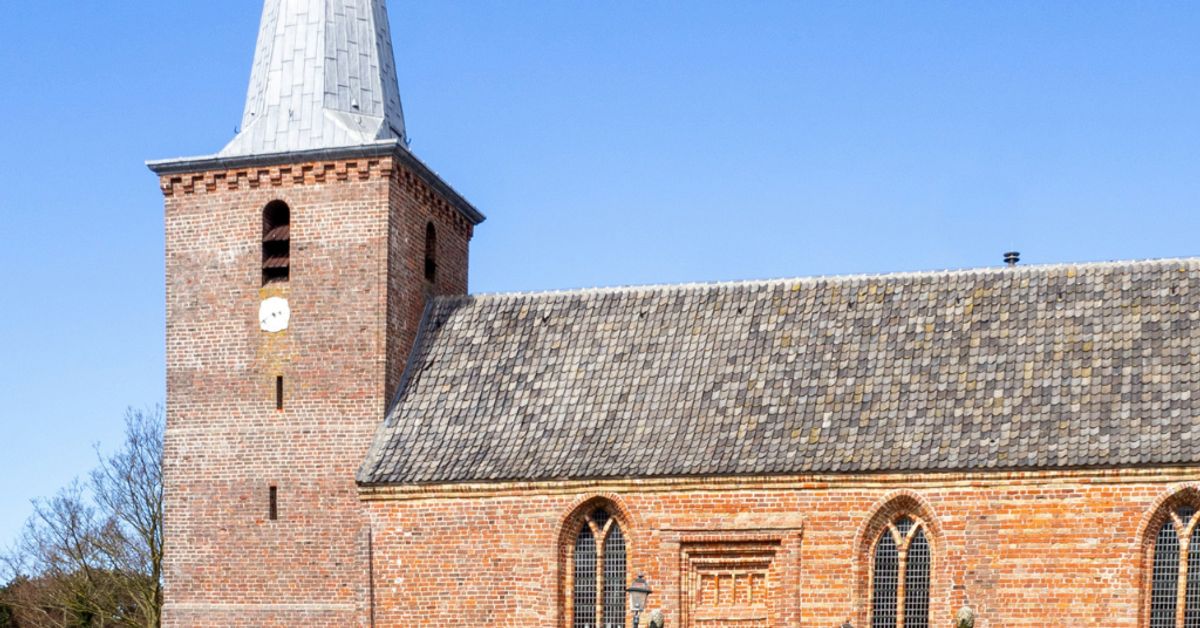
This guide shows you how to plan that journey. Step by step, from finding your ancestral town to standing at the gate of the church where your family were baptised and married for generations. Whether your roots lie in Friesland, South Holland, North Brabant, or Groningen, the path back is clearer than you might think.
Before You Go: Start With Your Family Records
The most rewarding Dutch heritage trips begin at home, not in the Netherlands. Gather what you already have: birth certificates, old letters, photographs, and family bibles. Look for clues — the name of a village, a church, a street. Even a surname can point to a province.
Our guide to tracing your Dutch ancestry walks you through this process in detail. But before you travel, answer these key questions:
- What is the name of your ancestral gemeente (municipality)?
- What province did your family come from?
- What religion did they practise? (Reformed, Catholic, or Jewish records are held in different places.)
- Roughly what period are you researching — pre-1811 church records, or post-1811 civil records?
Dutch records are among the most complete in Europe. Civil registration began in 1811 under Napoleon. Church records go back centuries. Many are now digitised and searchable before you board a plane.
Step 1: Find Your Ancestral Gemeente
The gemeente is the Dutch municipality — the basic administrative unit. Every village and town belongs to one. This is where your ancestors’ records were kept, and where you need to focus your search.
If your family came from South Holland, start with our guide to Dutch surnames of South Holland. If your roots lie further north, explore Dutch surnames of North Holland or Dutch surnames of Friesland. Surnames often reveal the province — a “De Vries” almost certainly points to Friesland, while a “Van Dijk” often indicates South Holland.
Once you know the province, narrow it down to the gemeente. The website WieWasWie.nl is your best starting point — it links to digitised birth, marriage, and death records from across the Netherlands, all searchable for free. Type in a surname, select a date range, and the database returns matches from archives across every province.
Step 2: Visit the Gemeentearchief
Every Dutch municipality has a gemeentearchief — a municipal archive. This is where the records live. Many archives now hold digitised copies online, but visiting in person gives you access to records that have not yet been scanned, as well as the help of knowledgeable archivists who know every collection intimately.
Before you visit:
- Email the archive in advance to explain your research and ask about opening hours.
- Bring copies of what you already know — dates, names, and alternative spellings.
- Archivists are generally very helpful. Ask for guidance on collections you may have missed.
The National Archive in The Hague (Nationaal Archief) holds records of national importance, including VOC (Dutch East India Company) records — essential for families tracing ancestry through the Dutch colonial period in Indonesia, South Africa, or the Caribbean. If your family name appears in Afrikaner or Boer history, VOC ship manifests and settler records are often the bridge between South Africa and the Netherlands.
🇳🇱 Enjoying this? Netherlands lovers get stories like this every week. Subscribe free →
Step 3: Church Records and Cemetery Visits
For ancestors who lived before 1811, church records are your primary source. In the Netherlands, three main denominations kept registers: the Dutch Reformed Church (Nederlands Hervormd), the Catholic Church, and the Jewish community. Reformed church records are often held at the gemeentearchief or the provincial archives. Catholic records may be with the local diocese. Many are accessible through WieWasWie.nl or Familysearch.org.
Cemetery visits are one of the most powerful moments of any heritage trip. Dutch churchyards (kerkhoven) are often found around the village church — sometimes centuries old. The CBG Centrum voor Familiegeschiedenis in The Hague holds extensive genealogical records and can help you identify burial locations for your family.
Standing at a gravestone bearing your own family name, in a village your ancestors never expected you to visit — this is the moment that makes every hour of preparation worthwhile.
Step 4: Cultural Immersion in Your Ancestral Province
A Dutch heritage trip is not only about documents. It is about reconnecting with a place. Walk the streets your ancestors walked. Eat what they ate. Hear the language — and perhaps the regional dialect — that shaped their world.
Each province has its own character:
- Friesland: A proud region with its own Frisian language, strong farming traditions, and a deep seafaring history. Many Dutch-American families trace roots here. The Friesland travel guide covers this unique province in detail.
- South Holland: Home to Leiden, Gouda, and The Hague — and some of the most complete genealogical records in the country.
- North Brabant: A Catholic province with Burgundian traditions, quite distinct from the Protestant north — a different world just two hours from Amsterdam.
- Groningen: The far north — flat, windswept, with tight-knit farming communities and a proud local identity that stretches back to medieval times.
Spend time in the village itself. Attend a Saturday market. Visit the local eetcafé. Ask the locals — Dutch people are often surprised and delighted to meet someone from abroad who traces their roots to their town.
Step 5: Meeting Distant Relatives
It happens more often than you might think. Genealogy research uncovers living relatives — second cousins, third cousins — who still live in the ancestral town. Dutch genealogical societies, particularly the NGV (Nederlandse Genealogische Vereniging), can help make connections. Some families have established their own familieverenigingen (family associations) that hold reunions in the Netherlands every few years.
A note left with the local archivist — “I’m researching the [Surname] family from this village. Do you know of any remaining family members?” — sometimes opens doors that no database can. It is not unusual for diaspora visitors to leave the Netherlands with a phone number, an email address, and an open invitation to come back.
A Suggested 5-Day Dutch Heritage Trip Itinerary
This itinerary works well for most western provinces. Adjust it based on your specific ancestral region. For getting around efficiently, our guide to travelling the Netherlands by train covers routes and booking in detail.
Day 1 — Amsterdam: Setting the Scene
Arrive and spend the afternoon at the Rijksmuseum. Dutch Golden Age paintings set the historical and cultural context beautifully. In the evening, visit the Amsterdam City Archives (Stadsarchief), which holds records for Amsterdam families going back to the 17th century. Many can be viewed for free on-site.
Day 2 — Travel to Your Ancestral Region
Take the train to your ancestral region. Arrive by midday. Check into a local guesthouse or B&B — staying in the village itself, rather than a city hotel, makes the experience far richer. Walk to the church. Note the hours. Look for the churchyard.
Day 3 — Archive Research Day
Spend the full day at the gemeentearchief. Photograph every document. Ask the archivist about collections you may have missed — land registers, notarial records, and military rolls often contain information that civil records do not. In the afternoon, walk to the church and the churchyard. Take your time.
Day 4 — The Village
Walk slowly. Find the address where your family lived — often possible through the kadaster (land registry). Visit the local history museum if there is one. Many Dutch villages have a heemkundekring — a local history society run by enthusiastic volunteers who know every family in the area. These people are gold.
Day 5 — Reflection and Departure
Return to Amsterdam for a final night. Walk slowly through the Jordaan — one of Amsterdam’s oldest neighbourhoods, built in the 17th century when the city was the wealthiest in the world. Sit at a canal-side café. Let it sink in. Then head home carrying something you did not have before: a real sense of where you come from.
Frequently Asked Questions
How do I find my ancestral town in the Netherlands?
Start with family documents — certificates, letters, and old photographs. Look for place names and church names. Search WieWasWie.nl using the surnames and dates you already have. Our guides to Dutch surnames by province can help narrow the search to a specific region or municipality.
Do Dutch archives require appointments?
Most gemeentearchiven welcome walk-in visitors, but emailing ahead is strongly recommended. Archivists can prepare relevant records in advance, which saves you significant time. Smaller archives may have limited opening hours, so always check before you travel.
Can I find Dutch ancestry records online before I travel?
Yes. WieWasWie.nl is free and holds millions of Dutch records. Familysearch.org has extensive Netherlands collections. Delpher.nl holds digitised Dutch newspapers and documents. Many people complete the bulk of their research online before visiting the archives in person for deeper searches.
What if my ancestors emigrated before 1811, when civil records began?
Church records are your primary source for pre-1811 research. Reformed church registers are held at the gemeentearchief or provincial archive. Catholic records may be with the diocese. Both are often accessible through WieWasWie.nl or Familysearch.org. For colonial-era ancestry through the VOC, the Nationaal Archief in The Hague is the key starting point.
You Might Also Enjoy
- How to Trace Your Dutch Ancestry: A Step-by-Step Guide
- Dutch Surnames of Friesland: Origins and Meanings
- Friesland Travel Guide: The Netherlands Province Most Tourists Never Reach
Join Netherlands Lovers
Every week, discover the Netherlands beyond the tourist trail — hidden villages, local recipes, cycling routes, and travel insights you won’t find in any guidebook.
Subscribe free — enter your email:
Already subscribed? Explore our archives for more hidden Dutch gems.
Love more? Join 64,000 Ireland lovers → · Join 43,000 Scotland lovers → · Join 30,000 Italy lovers →
Free forever · One email per week · Unsubscribe anytime
Plan Your Netherlands Trip
Ready to start planning? Our Start Here page brings together the essential guides, itineraries, and local insights you need for a meaningful trip to the Netherlands — whether your focus is ancestry, travel, or both.
Tours & experiences you might love


Powered by Viator. Some links are affiliate links — we may earn a small commission at no extra cost to you.