
Between 1945 and 1965, more than 220,000 Dutch men, women, and children sailed west to Canada. Your grandparents may have been among them. This guide shows you how to trace your Dutch Canadian heritage, from the ships that carried your family across the Atlantic to the village records still held in Dutch municipal archives today.
These families survived German occupation and the Hunger Winter of 1944–45. Canadian soldiers had liberated their towns and cities, and many Dutch people felt deep gratitude towards Canada. When the Dutch government opened emigration programmes, Canada became the natural choice. Today, around one million Canadians claim Dutch ancestry.
Why Your Dutch Ancestors Chose Canada
Canada offered farmland, space, and opportunity. The Dutch government actively encouraged emigration in the late 1940s and 1950s, partly to relieve post-war population pressure at home.
The Christian Reformed Church played a central role. Dutch Reformed communities already existed in Ontario, and new emigrants joined these networks when they arrived. Faith kept families connected across the Atlantic.
Most emigrants came from rural provinces: North Holland, South Holland, Zeeland, Friesland, Gelderland, and North Brabant. They were farmers, craftsmen, and tradespeople who wanted land of their own.
Where Dutch-Canadian Families Settled
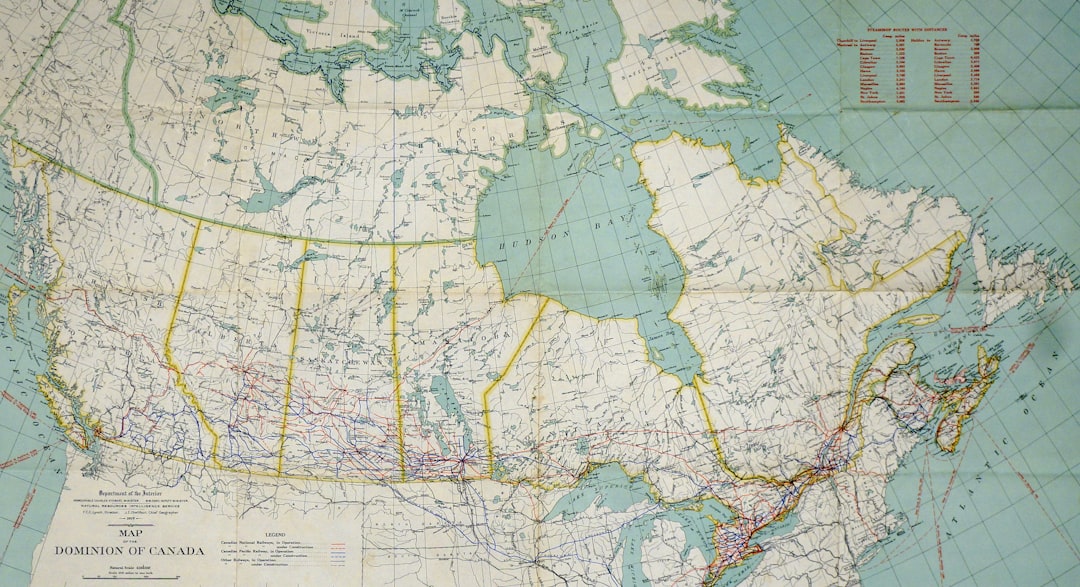
Ontario attracted the largest number. The Holland Marsh area near Bradford became a hub for Dutch vegetable farmers — familiar work for people from the Dutch polders. Strathroy, Sarnia, and London grew strong Dutch-Canadian communities. Chatham-Kent attracted many Dutch dairy farmers.
Alberta drew settlers to the Peace River region and the area around Lacombe. Many Dutch Reformed families built new congregations on the prairies.
British Columbia attracted Dutch emigrants seeking a milder climate. The Fraser Valley became home to Dutch market gardeners and dairy farmers who worked the land much as their ancestors had done in the Netherlands.
Saskatchewan and Manitoba also received Dutch settlers through Prairie settlement programmes in the 1950s.
🇳🇱 Enjoying this? Netherlands lovers get stories like this every week. Subscribe free →
How to Trace Your Dutch Canadian Heritage: Step by Step
Step 1: Gather What You Already Know
Start with your family. Ask older relatives for names, dates, and the Dutch town or province your family came from. Even a province name gives you a strong starting point.
Look for passports, emigration papers, church membership records, old letters, and ship or flight passenger lists. The Christian Reformed Church kept detailed membership records. If your family attended a Dutch Reformed congregation, the church may still hold records of your ancestors’ transfer from their home congregation in the Netherlands.
Step 2: Search Canadian Immigration Records
Library and Archives Canada holds passenger arrival records, immigration files, and census data. Their online collection is searchable and free. Search under the correct spelling of your Dutch surname — immigration officers sometimes anglicised Dutch names.
- Passenger lists from 1945 to 1965 (search by surname and approximate arrival year)
- The 1951 and 1961 Canadian censuses
- Immigration case files, which often name the specific Dutch municipality the family came from
Step 3: Find the Dutch Province and Municipality
Once you know where in the Netherlands your family came from, you can search Dutch records directly. WieWasWie.nl (who was who) provides free access to civil registration records from 1811 onwards. Search births, marriages, and deaths by surname across the whole country.
For church records before 1811, identify the denomination first. Most Dutch emigrants to Canada came from the Reformed tradition (Hervormd or Gereformeerd). Reformed church registers from the 17th and 18th centuries sit in regional archives across the Netherlands. Many archives have digitised their collections. The website Archieven.nl links to dozens of Dutch regional archives and lets you search them by province.
Our complete guide to Dutch records: How to Trace Your Dutch Ancestry – Step-by-Step Guide (2026).
Step 4: Contact the Dutch Municipal Archive
Every Dutch municipality keeps its own archive (Gemeentearchief or Regionaal Historisch Centrum). These archives hold civil birth, marriage, and death registers from 1811, church registers from earlier periods, population registers that track family movements between towns, and emigration permits from the 1950s and 1960s.
Step 5: Use the Dutch-Canadian Genealogical Society
The Dutch-Canadian Genealogical Society (DCGS) connects researchers on both sides of the Atlantic. Their members include Dutch-Canadians searching for family in the Netherlands, and Dutch researchers who help Canadian descendants navigate provincial records. The DCGS holds workshops, maintains databases, and connects you with specialists in your province of origin.
Understanding Dutch Naming Patterns
Dutch surnames can confuse English-speaking researchers. Many Dutch people only adopted fixed family names in 1811, when Napoleon’s civil registration system required it. Before that date, many Dutch families used patronymics — the father’s first name formed part of the child’s name.
So Pieter Janszoon (Pieter, son of Jan) might have a son called Cornelis Pietersen (Cornelis, son of Pieter). The surname changed with every generation.
From 1811 onwards, families chose fixed surnames. Some chose occupational names (De Bakker — the baker), geographic names (Van den Berg — from the hill), or descriptive names (De Groot — the tall one). If your Dutch surname appears with variants in Canadian records, search for all possible spellings. De Vries might become DeVries or even Davis. Van den Berg might appear as Vandenberg.
The Liberation Connection
One of the most moving parts of Dutch Canadian heritage is the liberation story. In April and May 1945, Canadian soldiers freed the Netherlands from German occupation. They arrived in towns where people were starving, survivors of the Hongerwinter (Hunger Winter) of 1944–45.
Dutch families welcomed the Canadians with extraordinary warmth. Some Dutch-Canadian families exist today because a Dutch woman and a Canadian soldier fell in love during the liberation. Gratitude drove many Dutch families to choose Canada when emigration programmes opened in the late 1940s.
Each year on 5 May, Liberation Day, towns across the Netherlands still celebrate the Canadians who freed them. The Canadian War Cemetery at Groesbeek in Gelderland holds the graves of 2,619 Canadian soldiers who died liberating the Netherlands. Many Dutch-Canadian families visit this cemetery to honour the men who gave their lives so that the Netherlands — and their ancestors — could be free.
Planning Your Heritage Visit to the Netherlands
Walking the streets your ancestors walked is a powerful experience. Many Dutch-Canadian emigrants came from provinces such as Friesland, Zeeland, and North Holland. Our province-specific heritage guides walk you through the archives, ancestral towns, and local records in each region.
The Dutch National Open Air Museum (Openluchtmuseum) in Arnhem gives you a vivid sense of how your ancestors lived. It preserves farmhouses, workshops, and village buildings from across the Netherlands, many dating from the period before Dutch emigrants set sail for Canada.
For a structured heritage trip, read our 5-Day Dutch Heritage Itinerary for First-Time Visitors. Start planning at our Start Here page.
Frequently Asked Questions
How many Dutch people emigrated to Canada after World War Two?
More than 220,000 Dutch people emigrated to Canada between 1945 and 1965. Most arrived during the 1950s, when Canadian government immigration programmes actively recruited European settlers.
Where can I find Dutch immigration records for Canada?
Library and Archives Canada holds passenger lists, immigration files, and census records. For Dutch records, start with WieWasWie.nl for civil registration from 1811 onwards, and Archieven.nl for access to regional Dutch archives.
What is the Dutch-Canadian Genealogical Society?
The Dutch-Canadian Genealogical Society (DCGS) is a volunteer organisation connecting people who research Dutch-Canadian ancestry. It holds databases, workshops, and publications that help descendants trace roots in both Canada and the Netherlands.
Why did so many Dutch emigrants choose Canada rather than Australia or the United States?
Canadian soldiers had liberated the Netherlands in 1945, creating deep goodwill towards Canada. The Canadian government actively recruited European immigrants after the war. Existing Dutch Reformed church communities in Ontario made the cultural transition easier. Canada also offered affordable farmland at a time when the Netherlands was crowded and post-war resources were scarce.
Can I visit a Canadian war cemetery in the Netherlands?
Yes. The Canadian War Cemetery at Groesbeek in Gelderland is open to visitors. It holds the graves of 2,619 Canadian soldiers who died liberating the Netherlands. This is one of the most visited heritage sites for Dutch-Canadian descendants travelling to the Netherlands.
You Might Also Enjoy
- How to Trace Your Dutch Ancestry – Step-by-Step Guide (2026)
- 5-Day Dutch Heritage Itinerary for First-Time Visitors
- Discover Your Friesland Roots: Heritage, Diaspora, and Family History
Join Netherlands Lovers
Every week, discover the Netherlands beyond the tourist trail — hidden villages, local recipes, cycling routes, and travel insights you won’t find in any guidebook.
Subscribe free — enter your email:
Already subscribed? Explore our archives for more hidden Dutch gems.
Love more? Join 64,000 Ireland lovers → · Join 43,000 Scotland lovers → · Join 30,000 Italy lovers →
Free forever · One email per week · Unsubscribe anytime
Ready to plan your visit? Our Start Here guide has everything you need to begin your Netherlands heritage journey.
Tours & experiences you might love


Powered by Viator. Some links are affiliate links — we may earn a small commission at no extra cost to you.