

The Van Gogh Museum Amsterdam stands as the world’s foremost collection of Vincent van Gogh’s work, housing more than 200 paintings and 500 drawings by the artist under one roof. If you visit Amsterdam only once, this is the museum to see. Nothing prepares you for the raw power of standing in front of Almond Blossom or The Bedroom in person — digital reproductions simply don’t capture the texture, scale, or emotional force of Van Gogh’s brushwork.
Love the Netherlands? Join our free newsletter for hidden Dutch gems → inlovewithnetherlands.com/subscribe
This guide covers everything you need. We explain what to see inside, how to book tickets, when to go to avoid crowds, and practical tips for your visit. Whether you love art or simply want to understand the man behind Sunflowers, this museum rewards every visitor.
About the Van Gogh Museum
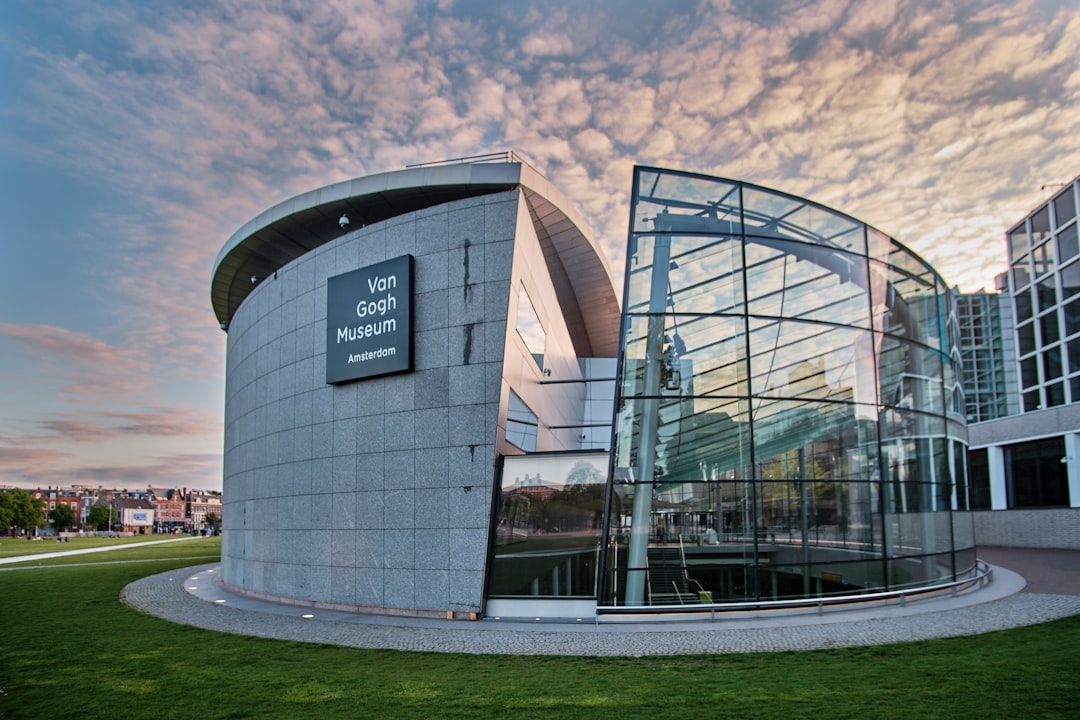
The museum opened in 1973. Dutch architect Gerrit Rietveld designed the main building. It sits on Museumplein alongside the Rijksmuseum and the Stedelijk Museum. In 1999, Japanese architect Kisho Kurokawa added a striking oval annexe, which now serves as the main entrance.
The collection belongs to the Vincent van Gogh Foundation. Van Gogh’s nephew’s son established it to preserve his uncle’s work. Today the museum attracts over two million visitors a year. Book your tickets in advance — this is not optional.
What to See at the Van Gogh Museum Amsterdam
The permanent collection spans four floors and takes you chronologically through Van Gogh’s decade of painting (1880–1890). He produced an astonishing body of work in just ten years before his death at 37. The museum groups the collection by period and location, which helps you follow his artistic evolution from tentative beginnings to explosive colour.
Ground Floor: Early Works and The Netherlands (1880–1885)
Van Gogh began painting in the Netherlands. His early work is dark and earthy, rooted in the rural labour he saw around him. The Potato Eaters (1885) dominates this section. Five peasants share a meal under dim lamplight. The browns and blacks feel heavy and real. It is one of the most powerful social documents in European art history, and you feel the weight of every brushstroke.
First Floor: Paris and Colour Discovery (1886–1888)
When Van Gogh moved to Paris, everything changed. He discovered Impressionism. He absorbed the Japanese woodblock prints he collected obsessively. He began painting with the vivid colours that now define him. Works from this period show him testing colour and flattening forms. The contrast with his Dutch period hits you immediately.
The museum holds Van Gogh’s personal collection of Japanese prints. They reveal his sources directly. Pair this floor with Amsterdam’s canal heritage to understand the Dutch love of art that shaped him long before he reached Paris.
Second Floor: Arles and the South of France (1888–1889)
This floor contains the paintings most people associate with Van Gogh. The Bedroom (1888) is here — the cheerful, slightly vertiginous painting of his room in Arles, which he made three times. Almond Blossom (1890) hangs nearby, painted in celebration of his nephew’s birth, its white blossoms against deep blue sky one of the most serene and beautiful works in the building.
The famous Sunflowers series: the museum holds one version, painted in Arles as decoration for the Yellow House where he hoped to welcome Gauguin. Stand in front of it for a moment before the crowds arrive.
Third Floor: Auvers-sur-Oise and Final Works (1890)
Van Gogh spent the last 70 days of his life in Auvers-sur-Oise, near Paris. He painted nearly every day. Wheatfield with Crows (1890) and Wheatfield with a Reaper both hang on this floor. The skies are turbulent, the fields swirling. The physical intensity is unlike anything else. Are they premonitions of his death, or just summer storms? Scholars still debate it. The museum presents both readings honestly.
Temporary Exhibitions
The Kurokawa annexe hosts rotating temporary exhibitions that recontextualise Van Gogh’s work through the lens of other artists or themes. These shows change seasonally and often explore the people who influenced him or the artists he in turn inspired. Check the museum’s website for current exhibitions when planning your trip — they frequently sell out separately from general admission.
How to Book Tickets for the Van Gogh Museum
Book online at the official Van Gogh Museum website (vangoghmuseum.nl) as far in advance as possible. Walk-up entry is sometimes available but unreliable, especially in July and August. The museum operates timed entry, so you’ll choose a specific arrival window when booking.
Holders of an I amsterdam City Card receive free entry. The Museumkaart — the Dutch national museum pass — also covers the Van Gogh Museum and pays for itself quickly if you plan to visit several Amsterdam museums. Children under 18 enter free.
If you’re visiting Amsterdam’s cultural heart on a limited schedule, combine the Van Gogh Museum with the Rijksmuseum in a single day — they’re a five-minute walk apart on Museumplein. Read our Amsterdam Museum Quarter guide for a full plan.
When to Visit the Van Gogh Museum Amsterdam
The Van Gogh Museum Amsterdam draws visitors year-round, but some periods are significantly calmer than others.
Best months: January, February, and early November offer the fewest crowds. Prices are lower, queues shorter, and the museum feels more like a contemplative experience than a busy attraction. You can stand in front of The Bedroom without jostling for position.
Busiest periods: July and August see the highest footfall, particularly from North American and Asian tourists. School holidays across Europe also push visitor numbers up sharply in late October, Christmas week, and Easter.
Best time of day: Opening time is your best bet regardless of season. The first hour after opening — typically 9am — sees considerably fewer visitors than the middle of the day. Late afternoon closings (the museum usually closes at 5pm or 6pm) also see a brief thinning of crowds as tour groups depart.
Getting to the Van Gogh Museum
Museumplein sits in Amsterdam’s Oud-Zuid district, easily reached by public transport.
- Tram: Lines 2 and 5 stop at Van Baerlestraat, a one-minute walk from the museum entrance. This is the easiest option from the city centre.
- Tram 7 or 19: Stop at Museumplein directly.
- Bus: Bus 170, 172, and 197 from Amsterdam Centraal and Amsterdam Lelylaan serve the area.
- On foot: From the Rijksmuseum, the walk takes under five minutes across the square.
- By bike: Cycle parking is available near the museum — fitting, given that Van Gogh spent much of his life in a country that invented bicycle culture.
After the museum, the leafy Vondelpark is a short walk west — a perfect spot to absorb what you’ve seen over a coffee or a slow canal-side walk. Or take a canal cruise through the Golden Age waterways that Van Gogh himself would have known.
Tips for Your Visit
- Allow two to three hours. The permanent collection alone rewards a thorough visit. Rushing through in an hour means missing the subtle detail that makes Van Gogh’s work extraordinary.
- Use the audio guide. The museum’s audio guide (available in multiple languages) provides the context that wall labels alone can’t. Van Gogh’s letters to his brother Theo are quoted throughout — they’re among the most moving documents in art history.
- Visit the study collection. On the second floor, a study room gives access to works not currently on display. This rewards anyone with a deeper interest in the collection.
- Photography rules: Personal photography without flash is generally permitted in the permanent collection, though temporary exhibitions may restrict this.
- The museum shop: Worth browsing — the reproduction prints are genuinely good quality, and the range of books on Van Gogh’s letters and technique is extensive.
Where to Eat Near the Van Gogh Museum Amsterdam
The museum has its own café in the entrance annexe, serving sandwiches, soups, and light meals at reasonable prices for Amsterdam. For more options, the streets around Museumplein hold several good choices.
Café Cobra: Right on Museumplein, with terrace seating in summer. Named after the Dutch-Danish-Belgian art movement — appropriately art-adjacent.
Vondelpark Pavilion (Vertigo): A ten-minute walk into Vondelpark, with outdoor seating and good Dutch and international food.
De Pijp neighbourhood: A fifteen-minute walk south brings you to Amsterdam’s most vibrant food quarter, packed with international restaurants, market stalls, and coffee shops. Our Amsterdam food guide covers the best places across the city.
Plan Your Amsterdam Visit Around the Van Gogh Museum
The museum pairs naturally with a broader Amsterdam itinerary. A 3-day Amsterdam itinerary can include the Van Gogh Museum on day one, the historic canal ring on day two, and the Jordaan neighbourhood on day three. Read our Jordaan guide to discover the neighbourhood that Van Gogh’s Paris mentor, Theo, once helped him love.
Frequently Asked Questions About the Van Gogh Museum Amsterdam
Do you need to book tickets in advance for the Van Gogh Museum Amsterdam?
Yes — advance booking is strongly recommended, especially between April and September. The museum sells timed entry tickets online through its official website. Walk-up availability exists but is unreliable during busy periods and during temporary exhibition runs.
How long does a visit to the Van Gogh Museum take?
Most visitors spend between two and three hours in the Van Gogh Museum. Allow more time if a temporary exhibition is running alongside the permanent collection, or if you plan to use the audio guide in detail.
What is the most famous painting at the Van Gogh Museum Amsterdam?
The museum holds multiple iconic works including Sunflowers, The Bedroom, Almond Blossom, Wheatfield with Crows, and The Potato Eaters. Many visitors consider Almond Blossom the most moving — painted to celebrate the birth of Van Gogh’s nephew, it radiates warmth and hope amid the turmoil of his life in Saint-Rémy.
Is the Van Gogh Museum suitable for children?
Yes. The museum offers family activities, and Van Gogh’s life story — the passion, the letters, the vivid colour — captures younger visitors’ imagination well. Children under 18 enter free. Interactive stations and family guides are available at the information desk.
You Might Also Enjoy
- Rijksmuseum Amsterdam: The Complete Visitor Guide — Rembrandt, Vermeer, and 800 years of Dutch art, right next door on Museumplein.
- Amsterdam Museum Quarter Guide — Plan a full day across the three great museums of Museumplein.
- 3 Days in Amsterdam Itinerary — The perfect structure for a first Amsterdam visit, including the Van Gogh Museum.
Plan Your Netherlands Trip
Ready to explore more of the Netherlands beyond Amsterdam’s museums? Our Start Here guide covers everything from cycling routes to canal towns, coastal islands, and the art cities that shaped Dutch culture. Whether you have three days or three weeks, we’ll help you plan the perfect Dutch adventure.
Join Netherlands Lovers
Every week, discover the Netherlands beyond the tourist trail — hidden villages, local recipes, cycling routes, and travel insights you won’t find in any guidebook.
Subscribe free — enter your email:
Love more? Join 64,000 Ireland lovers → · Join 43,000 Scotland lovers → · Join 30,000 Italy lovers →
Free forever · One email per week · Unsubscribe anytime
Tours & experiences you might love


Powered by Viator. Some links are affiliate links — we may earn a small commission at no extra cost to you.