

Amsterdam is one of Europe’s great food cities — but you’d never know it from most tourist guides. Beneath the surface of its famous canals and museums lies a thriving food culture built on centuries of trade, immigration, and an unshakeable Dutch love of good produce. This Amsterdam food guide covers everything you need to know: the street snacks that define the city, the markets where locals actually shop, the traditional dishes worth sitting down for, and the neighbourhoods where you’ll eat best.
Love the Netherlands? Join our free newsletter for hidden Dutch gems → inlovewithnetherlands.com/subscribe
Dutch Street Food: The Essential Amsterdam Bites
No Amsterdam food guide is complete without street food. The Dutch have been feeding themselves on the go since the Golden Age, and the snacks they’ve refined over four centuries are some of the most satisfying in Europe.
Raw Herring (Haring)
Raw herring is Amsterdam’s defining street food and, for many visitors, the most memorable thing they eat in the Netherlands. Dutch herring is lightly salt-cured rather than pickled, giving it a soft, almost buttery texture quite unlike what most outsiders expect. You eat it the traditional way — tilting your head back and lowering the fish in whole — or have it chopped and served in a small tub with raw onion and pickles.
The best place to try it is at a haringkar (herring cart) rather than a sit-down restaurant. Look for busy stalls near the Stationsplein or along the Nieuwendijk. The season for new herring (Hollandse Nieuwe) runs from late May through June, when the fish is at its freshest and the whole city marks its arrival.
Stroopwafel
Two thin waffle rounds sandwich a layer of warm caramel syrup. The stroopwafel is one of the Netherlands’ most beloved exports. It tastes far better fresh and warm from a market stall than from a supermarket packet. The classic trick is to rest it on top of a mug of hot coffee or tea for a minute until the caramel softens.
The Noordermarkt on Saturday morning and the Albert Cuyp Market any day of the week are both reliable places to find freshly made stroopwafels. Budget around €2 to €3 each.
Bitterballen
The quintessential Dutch pub snack. Bitterballen are deep-fried breadcrumbed balls filled with a thick, slow-cooked beef ragout — crisp on the outside, molten on the inside. The name comes from bitter, a type of Dutch gin traditionally served alongside them in a bruine kroeg (brown café). Bite cautiously: the filling stays extremely hot for several minutes after frying. They’re almost always served with a pot of hot mustard for dipping.
More Amsterdam Street Snacks to Seek Out
Oliebollen
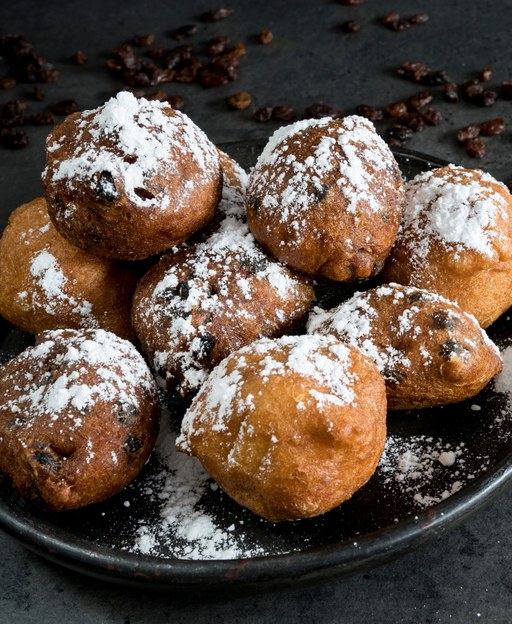
Oliebollen — literally “oil balls” — are deep-fried doughnuts traditionally eaten at New Year’s Eve and during winter markets. They’re made from a yeasted dough often studded with raisins and currants, then fried in hot oil and finished with a generous dusting of icing sugar. If you visit Amsterdam between November and January, you’ll find oliebollen carts throughout the city.
Kibbeling
Battered and deep-fried chunks of cod served with a tangy garlic sauce, kibbeling is Amsterdam’s answer to fish and chips. It’s sold at fish stalls throughout the city and is particularly good eaten standing up at the Albert Cuyp Market.
Poffertjes
Tiny, fluffy mini pancakes cooked in a specially dimpled iron pan, vendors serve poffertjes by the dozen with butter and icing sugar. They’re lighter and airier than regular pancakes and make a perfect mid-morning snack. Market stalls at the Museumplein and near the Vondelpark often have poffertjes carts, particularly on weekends.
Planning your Amsterdam trip?
Get our free weekly Netherlands newsletter — hidden gems, local tips, and travel inspiration delivered every week. Subscribe free →
Amsterdam’s Best Food Markets
Amsterdam’s market culture is central to daily life. The city’s food markets offer some of the best eating in the Netherlands — most of it eaten standing up, at low prices, among locals going about their ordinary week.
Albert Cuyp Market
The Albert Cuyp Market in De Pijp is the largest outdoor market in the Netherlands, stretching for nearly a kilometre along the Albert Cuypstraat from Monday to Saturday. It’s a genuine neighbourhood market rather than a tourist attraction, and the food stalls reflect that: fresh herring, stroopwafels, kibbeling, Dutch cheese, frites, tropical fruit, and fresh bread. Arrive between 10am and noon for the best selection.
Noordermarkt
Held on Saturday mornings in the Jordaan, the Noordermarkt divides into two sections. The organic farmers’ market on the west side sells artisan cheeses, seasonal vegetables, handmade jams, and fresh bread. The crowds thin out after 1pm, so an early start gives you the best choice.
Foodhallen
Housed in a converted tram depot in the Oud-West neighbourhood, Foodhallen is Amsterdam’s indoor food market — a covered hall of stalls selling everything from Dutch bitterballen to Japanese ramen and wood-fired pizza. It’s particularly useful on wet days when outdoor markets are less appealing. Expect to pay €8 to €15 per dish and plan to share several small plates.
Traditional Dutch Dishes Worth Sitting Down For
Dutch food has a reputation — sometimes unfair, sometimes entirely earned — for being hearty and plain. But the dishes that have survived centuries of Dutch winters are worth seeking out in a good traditional restaurant.
Stamppot
Stamppot is the definitive Dutch winter dish: mashed potatoes combined with a leafy or root vegetable — most commonly boerenkool (kale), but also hutspot (carrot and onion) or endive. It’s served with a rookworst (smoked sausage) and often a hollow scooped into the mash filled with gravy. Simple, warming, and filling, it’s the dish the Dutch associate most strongly with home cooking.
Dutch Pancakes (Pannenkoeken)
Dutch pancakes are considerably larger and thinner than their American counterparts but thicker than French crêpes. They’re served in dedicated pancake restaurants (pannenkoekenhuizen) and can be ordered savoury (with ham and cheese or bacon) or sweet (with syrup, apple, or banana). Pannenkoeken restaurants are a beloved Dutch tradition and an excellent choice for a relaxed lunch.
Erwtensoep (Dutch Pea Soup)
Thick, dark green pea soup made from split peas, pork, celeriac, leek, and smoked sausage — erwtensoep is so thick a spoon is said to stand upright in a properly made pot. It’s a winter staple served at traditional Dutch restaurants and is almost always accompanied by slices of dark rye bread spread with butter.
Amsterdam’s Best Food Neighbourhoods
De Pijp
De Pijp is Amsterdam’s most diverse neighbourhood and its best eating district. The Albert Cuyp Market anchors the area, but the streets surrounding it overflow with cafés, Indonesian restaurants, Surinamese roti shops, and wine bars. The neighbourhood is residential and lived-in — the restaurants here serve locals as well as visitors, which keeps quality high and prices honest.
Jordaan
The Jordaan is Amsterdam’s most picturesque neighbourhood and home to many of its best traditional bruine kroegen (brown cafés — old-fashioned Dutch pubs with dark wood panelling and candles). These are the best places for bitterballen, Dutch beer, and jenever. The Jordaan is also where you’ll find charming independent restaurants tucked into canal-side buildings. The Museum Quarter is a short walk away if you want to combine food with culture.
Oud-West
Less visited than the Jordaan but equally rewarding for eating, Oud-West has become one of Amsterdam’s most interesting food neighbourhoods over the past decade. The Ten Katemarkt on Saturdays is worth visiting for fresh produce and street food, and the Jan Pieter Heijestraat strip has an excellent range of independent cafés and restaurants.
What to Drink in Amsterdam
Jenever (Dutch Gin)
Jenever is the original gin — the spirit from which London dry gin evolved when traders carried it to Britain in the seventeenth century. Dutch jenever is softer and more malt-forward than the British version, and it comes in two main styles: jonge (young and lighter) and oude (aged and more complex). The traditional way to drink it is from a small tulip-shaped glass filled right to the brim. The Wynand Fockink distillery just off the Dam Square has been making jenever since 1679 and is the best place in Amsterdam to try it.
Dutch Beer
Heineken and Grolsch are the internationally known Dutch lagers, but Amsterdam’s craft beer scene has grown substantially. Brouwerij ‘t IJ, based in a converted windmill in the east of the city, is Amsterdam’s best-known craft brewery and well worth a visit. Dutch beer is typically served in a fluitje — a small 250ml glass — rather than a pint.
Practical Tips for Eating in Amsterdam
- Markets run Monday to Saturday — the Albert Cuyp Market and most neighbourhood markets are closed on Sunday.
- Tipping is modest — rounding up to the nearest euro or adding 5 to 10 per cent is standard in the Netherlands.
- Lunch is cheap, dinner less so — sandwiches (broodjes), soups, and snacks at cafés offer excellent value at midday.
- Indonesian food is a Dutch institution — rijsttafel (rice table), a feast of small Indonesian dishes, is one of Amsterdam’s most celebrated dining experiences and a legacy of the Dutch colonial era.
- Brown cafés serve food — most Amsterdam bruine kroegen serve simple snacks alongside drinks: soups, bread, cheese, and bitterballen.
Frequently Asked Questions
What is the most iconic Dutch food to try in Amsterdam?
Raw herring (haring) is the food most closely associated with Amsterdam and the Netherlands. Eaten at a haringkar (herring cart) with raw onion and pickles, it’s mild, soft, and unlike almost anything else. Stroopwafels and bitterballen are equally essential and more approachable for first-time visitors.
What is the best food market in Amsterdam?
The Albert Cuyp Market in De Pijp is the largest and most varied, running Monday to Saturday. For organic produce and a local atmosphere, the Noordermarkt on Saturday mornings in the Jordaan is excellent. For covered, year-round dining across multiple cuisines, Foodhallen in Oud-West is the best option.
Is Amsterdam expensive for food?
Street food and market eating is reasonably priced — herring, stroopwafels, bitterballen, and kibbeling all cost €2 to €5 per serving. Sit-down restaurants range from around €12 to €20 for a main course at lunch and €18 to €35 at dinner. Indonesian rijsttafel dinners cost €35 to €55 per person but include a generous variety of dishes.
Where should I eat in Amsterdam if I only have one day?
Start with a morning visit to the Albert Cuyp Market in De Pijp for a stroopwafel and coffee. Try kibbeling mid-morning. Head to the Jordaan for lunch at a brown café with bitterballen and Dutch beer. In the afternoon, try poffertjes from a market stall near the Museumplein. For dinner, book a rijsttafel at one of Amsterdam’s Indonesian restaurants — one of the most memorable meals the city offers.
You Might Also Enjoy
- The Complete Dutch Food Guide: Traditional Dishes and Where to Try Them
- Amsterdam Museum Quarter: Art, Culture, and the Best of Museumplein
- Amsterdam Canal Cruise Guide: Everything You Need to Know
Plan Your Netherlands Trip
Ready to explore? Our Start Here guide brings together everything you need — from when to visit and where to stay to the best day trips and hidden gems across the country.
Join Netherlands Lovers
Every week, discover the Netherlands beyond the tourist trail — hidden villages, local recipes, cycling routes, and travel insights you won’t find in any guidebook.
Subscribe free — enter your email:
Love more? Join 64,000 Ireland lovers → · Join 43,000 Scotland lovers → · Join 30,000 Italy lovers →
Free forever · One email per week · Unsubscribe anytime
Tours & experiences you might love


Powered by Viator. Some links are affiliate links — we may earn a small commission at no extra cost to you.