
Apr 21, 2026
|
The word that outed spies
Scheveningen — the seaside village that tripped every German tongue
|
|
Love Netherlands
|
|
Dear Netherlands,
If you walk through Leiden early on a weekday morning, you can still feel the pull of a 17th-century town that hasn’t entirely made up its mind about the present. Coffee at a canal-side café, a short cycle to the old centre, a pause at a bookshop where the shelves lean slightly and the owner knows which Dutch poets you haven’t read yet. The Dutch don’t advertise this. They just live it.
|
|
If the daily newsletter brings you closer to the Netherlands, our Sunday Premium Edition takes you deeper into it. Every Sunday you’ll receive travel deep dives, curated itineraries, regional stories, and hidden gems — and a quieter, slower way to understand the country.
Upgrade to the Sunday Premium Edition.
|
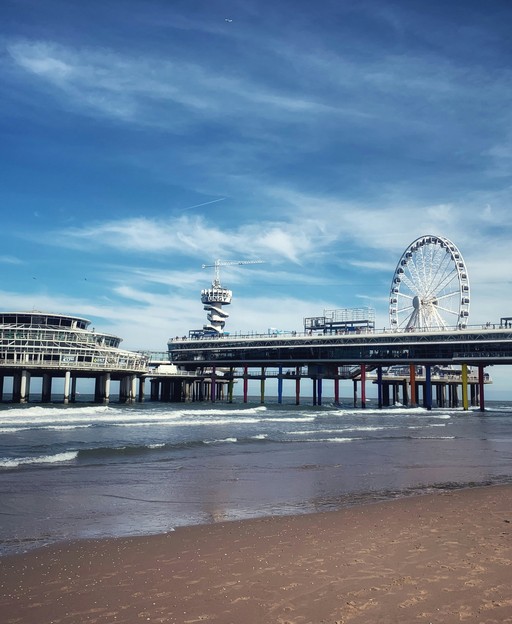
Image: Shutterstock
|
In today’s email:
- The word that outed spies
- At The Café — Café Hoppe — The Brown Café at the Centre of Amsterdam
- Around The Web — Why the Dutch Ate Tulip Bulbs One Winter — and Never Forgot It and more
- From Love Netherlands — The Dutch Village 15 Minutes From Amsterdam That Stopped in Time
- Dutch Food You Will Love — The Dutch Bread Habit That Surprises Every First-Time Visitor
|
The word that outed spies
During the Second World War, the Dutch resistance used a single word to unmask German spies: “Scheveningen.” No German agent could pronounce it correctly. The trick sat in the opening “sch” and the middle “v.” Dutch speakers produce “sch” as a guttural “skh” — a throat-deep fricative — then soften the “v.” German speakers reach for a sharp “sh” and harden the “v” instead. Dutch tongues learned the sound in childhood. Spies failed the test every time. Resistance members used it at checkpoints across occupied Netherlands. Today, that same word belongs to one of Europe’s quieter North Sea resorts. Scheveningen sits just 5 kilometres from The Hague’s city centre — and most visitors to the Netherlands never find it. Scheveningen started as a North Sea fishing village. Local boats caught herring and cod. Fishwives sold the catch on the harbour. Life ran to tidal rhythms. By the early 19th century, wealthier residents of The Hague had discovered what the fisherfolk always…
👉 Read the full story
Have you been there? Do you have a memory of this corner of the Netherlands? Hit reply and tell us — we’d love to hear your story.
|
|
The Sunday Edition goes deeper. Join the readers who take the slower road.
|
At The Café
Café Hoppe — The Brown Café at the Centre of Amsterdam
Café Hoppe on the Spui has been pouring beer since the 17th century — long enough that the wooden floor has sunk slightly at the door from centuries of footfall. It’s the kind of place where the bartender knows the regulars’ orders, the tourists get treated exactly the same as the locals, and the bitterballen arrive hot enough to burn the roof of your mouth if you don’t wait. It sits a few minutes’ walk from the Dam, and it’s one of the last brown cafés the tourist trade hasn’t redecorated. Come in the late afternoon, sit outside on the sidewalk, and order a beer.
|
Around The Web
|
From Love Netherlands
Most people who visit Amsterdam never leave the canals. Just 8 kilometres north lies a village that looks much as it did two hundred years ago: green wooden houses, a white lifting bridge, and almost no tourists. Broek in Waterland sits quietly while visitors stream past on their way to Edam or the Zaanse Schans. That is exactly what makes it worth finding. During the Dutch Golden Age, Amsterdam merchants needed somewhere to breathe. The city…
👉 Read the full story
|
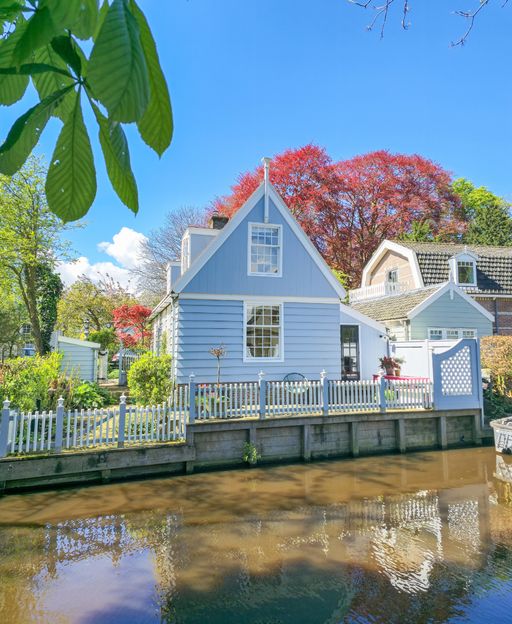
Image: Shutterstock
|
Dutch Food You Will Love
The Dutch Bread Habit That Surprises Every First-Time Visitor
Walk into a Dutch home at lunchtime and you will be handed bread. Not a sandwich. Not a starter. Bread — thin slices with butter, a single slice of cheese, maybe hagelslag — chocolate sprinkles — scattered over the top, which reads as odd until the first bite makes it obvious. Breakfast looks almost the same. Dinner, sometimes, too. To a visitor it can look like studied restraint. To the Dutch it is simply how the day is structured: quiet, unfussy, and honest about what a meal needs to be.
👉 Read the full story
|
|
Know Someone Who Loves the Netherlands?
If you’re enjoying this letter, the best thing you could do is forward it to one friend who’d love the Netherlands too. This newsletter grows by word of mouth alone — every subscriber came from someone sending it to someone else.
|
|
Our daily newsletter is free and always will be. But for a small amount each week, you can upgrade to our Sunday Premium Edition, which gives you access to our travel deep dives, curated itineraries, and regional stories. It is the quietest possible way to keep this letter going.
|
Also From Our Family
Love Ireland too? Over 64,000 readers wake up each morning to the Love Ireland newsletter — loveireland.substack.com
Or Scotland? Join 42,000 Scotland lovers — lovescotland.substack.com
|
|
You’re reading Love Netherlands — a free letter about canal towns, hidden villages, and Dutch stories, delivered Monday to Friday.
inlovewithnetherlands.com ·
Unsubscribe
© 2026 Love Netherlands · Part of the Love To Visit LLC family
|