
Your grandfather talked about the village back home. He said the family name came from somewhere in the south — a place called Brabant. He described clay soil, church bells, and long rows of farmland stretching to a flat horizon.
North Brabant is the Catholic heart of the Netherlands. It sits in the south of the country, bordering Belgium. For centuries, it was different from the Protestant north. The people were farmers, weavers, and craftsmen. They held on to their faith when much of the country changed.
Many Brabant families left. Some went east with the VOC to the Dutch East Indies. Others moved to South Africa as Boer settlers. Many more crossed the Atlantic to America in the 19th century. Today, their descendants are searching for the villages their families left behind.
This guide will help you trace your Brabant roots. It covers the key archives, the best towns to visit, and how to plan your heritage journey to the south of the Netherlands.
Why North Brabant Is Different
North Brabant stands apart from the rest of the Netherlands. One difference matters most for genealogy: it stayed Catholic.
When the Dutch Reformed Church took hold in the 16th century, the southern provinces held firm. Brabant remained loyal to Rome. This shaped everything — including the records.
Catholic church records go back further than civil registration. Baptisms, marriages, and burials were kept by parish priests. Many of these records survive from the 1600s. They are held in archives across the province and are increasingly available online.
The region also has its own dialect: Brabants. Place names and family names have Flemish and Frankish roots. You will see this in surnames like Van den Berg, De Groot, Van Bokhoven, and Swinkels.
North Brabant was part of the Duchy of Brabant. This was a medieval territory that stretched into what is now Belgium. Many families on both sides of the border share the same roots.
Where Did Your Brabant Ancestors Come From?
North Brabant has four main regions. Knowing which one your family came from helps you focus your search.
The Meierij van ‘s-Hertogenbosch covers the area around Den Bosch. This was the heartland of the old Duchy. Farming families, craftsmen, and traders lived in dozens of small villages here.
The Kempen (Campine) is a sandy heathland in the south. It stretches toward Eindhoven and Tilburg. This is where Vincent van Gogh was born. The Kempen was poor farmland. Many families left in the 19th century, looking for work in the growing cities.
The Mark and Dintel region lies in the west, bordering Zeeland and South Holland. Fishing, peat cutting, and trade were the main ways of life here.
The Land of Cuijk sits in the east near Gelderland. The River Maas runs through it. Families here sometimes appear in Gelderland records too. See our Tracing Your Family in Gelderland guide if your research crosses the border.
North Brabant Surnames and What They Tell You
Brabant surnames often reflect occupation, place of origin, or a parent’s name. Common patterns include:
- Van den Berg — “from the hill”. One of the most common Dutch surnames, heavily found in Brabant.
- De Groot — “the great one”. Originally a nickname, later fixed as a family name.
- Swinkels — a Brabant-specific name from the Kempen region.
- Van Bokhoven — from the village of Bokhoven near Den Bosch.
- Timmermans — “carpenter’s son”. An occupational name found across the south.
- Van den Heuvel — “from the hill”. Common in the Meierij and Kempen.
Your surname is often your first clue to your ancestral region. Explore the full list and meanings in our guide to Dutch Surnames of North Brabant.
🇳🇱 Enjoying this? Netherlands lovers get stories like this every week. Subscribe free →
Key Archives for North Brabant Research
North Brabant has excellent archives. Here are the main ones to use.
Erfgoed ‘s-Hertogenbosch
This is the main archive for Den Bosch and the surrounding Meierij. It holds civil registers, Catholic church records, and notarial records going back to the 16th century. The archive is based in Den Bosch city centre.
Book an appointment before you visit. Research rooms fill up quickly. The staff speak English and are experienced in helping diaspora visitors.
Regionaal Archief Tilburg
Tilburg is the largest city in North Brabant. This archive covers Tilburg and the Kempen region. Many records are available to search online via WieWasWie.nl before you travel.
Stadsarchief Breda
Breda has its own city archive. It covers the western part of the province. Many Afrikaner families from the western Cape in South Africa trace back to Breda families. The Stadsarchief holds marriage and baptism records from the 1600s onwards.
WieWasWie.nl
WieWasWie.nl is the free Dutch genealogy portal. It covers most North Brabant civil records from 1811 onwards. Many pre-1811 Catholic records are also available. Start your online search here before you visit in person.
Our full guide explains how to use WieWasWie.nl and other Dutch genealogy resources: How to Trace Your Dutch Ancestry: A Step-by-Step Guide.
Planning Your Heritage Visit to North Brabant
A heritage trip to North Brabant is straightforward. The province is compact. You can reach most of it in under an hour by train from Utrecht or Amsterdam.
Den Bosch makes the best base. It has direct trains to Amsterdam, Utrecht, and Eindhoven. Hotels are affordable. The city is beautiful, and the cathedral alone is worth a day of your time.
Before you travel, follow the advice in our Dutch heritage trip planning guide. It covers how to find your ancestral village, what documents to bring, and how to work with Dutch archivists.
Key Heritage Sites to Visit
Sint-Janskathedraal, Den Bosch. This is one of the finest Gothic cathedrals in the Netherlands. It has stood since the 13th century. Many Brabant families baptised their children here. Church records from this parish go back centuries.
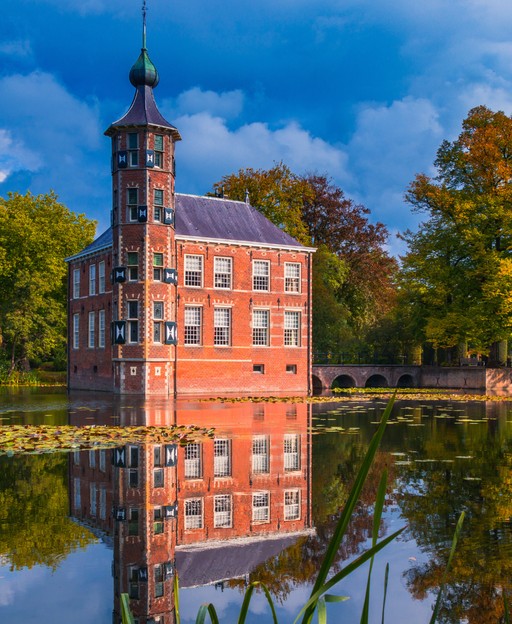
Bouvigne Castle, Breda. Bouvigne dates back at least 500 years. It sits on the edge of Breda, surrounded by parkland. The Breda area was a major point of trade and movement. Many ancestors passed through here before emigrating.
Zundert, birthplace of Van Gogh. Zundert gives a vivid picture of rural 19th-century Brabant. The village’s records are well-preserved. The archive in Zundert shows what life looked like for ordinary Kempen families before the great emigrations.
Nuenen, Van Gogh’s father’s village. Van Gogh spent time in Nuenen when his father was minister there. If your family came from the eastern Kempen, the Nuenen archive may hold your records too.
A 3-Day North Brabant Heritage Itinerary
This itinerary combines archive research with the key heritage sites of the province.
Day 1: Den Bosch. Start at Erfgoed ‘s-Hertogenbosch first thing in the morning. Book your research appointment in advance. Spend the afternoon walking the old city. Visit Sint-Janskathedraal. Walk along the Binnendieze, the city’s underground canal.
Day 2: Breda. Visit Bouvigne Castle in the morning. Then explore Breda’s city centre. The Stadsarchief Breda is close to the railway station. Read our full Breda visitor guide for what to see and where to eat.
Day 3: Eindhoven and the Kempen. If your family came from the Kempen, travel to Eindhoven. From there, take a short bus or hire a car to Nuenen or Zundert. Both villages have small local archives and heritage museums that welcome genealogy visitors.
For a broader heritage journey through the Netherlands, combine this with a visit to a neighbouring province. See our guides on Tracing Your Family in Zeeland and Tracing Your Family in South Holland.
Frequently Asked Questions
What records exist for North Brabant ancestry research?
Civil registration in the Netherlands began in 1811. All births, marriages, and deaths were recorded from that year. Before 1811, Catholic church records cover baptisms, marriages, and burials. Many of these go back to the 17th century. You can access most records online via WieWasWie.nl or by visiting the relevant provincial archive in person.
How far back can I trace my North Brabant family?
Most families can trace back to the early 1700s using Catholic church records. For noble and merchant families, records sometimes go back to the 1500s. The further back you go, the more specialised the research becomes. A Dutch genealogist can help with older records in difficult handwriting.
Which archive is best for North Brabant research?
Erfgoed ‘s-Hertogenbosch is the main archive for the province. It covers the Meierij region and holds excellent pre-1811 records. For Breda, use the Stadsarchief Breda. For Tilburg and the Kempen, use the Regionaal Archief Tilburg. All three welcome English-speaking visitors.
Did Brabant families emigrate to South Africa?
Yes. Dutch emigrants to the Cape Colony in the 17th and 18th centuries included families from the southern provinces. If your South African surname is Dutch, it is worth searching Brabant records. The VOC archives also contain Brabant names alongside those of other provinces. Many Boer families have Brabant roots they have never traced.
Can I visit the archives without speaking Dutch?
Yes. Most Dutch archivists speak excellent English. WieWasWie.nl has an English-language interface. Old Dutch handwriting in historical documents may need help to read. Archivists will often assist with specific queries during your visit.
You Might Also Enjoy
- Dutch Surnames of North Brabant: Origins and Meanings — discover what your family name reveals about your Brabant roots
- Breda, Netherlands: The Complete Visitor’s Guide (2026) — plan your time in this beautiful Brabant city
- The VOC Trail: Following Your Dutch Ancestors to the East — trace ancestors who sailed with the Dutch East India Company
Join Netherlands Lovers
Every week, discover the Netherlands beyond the tourist trail — hidden villages, local recipes, cycling routes, and travel insights you won’t find in any guidebook.
Subscribe free — enter your email:
Already subscribed? Explore our archives for more hidden Dutch gems.
Love more? Join 64,000 Ireland lovers → · Join 43,000 Scotland lovers → · Join 30,000 Italy lovers →
Free forever · One email per week · Unsubscribe anytime
Plan Your Netherlands Trip: Looking for more inspiration? Visit our Start Here page for everything you need to plan your perfect Dutch adventure.
Tours & experiences you might love


Powered by Viator. Some links are affiliate links — we may earn a small commission at no extra cost to you.