
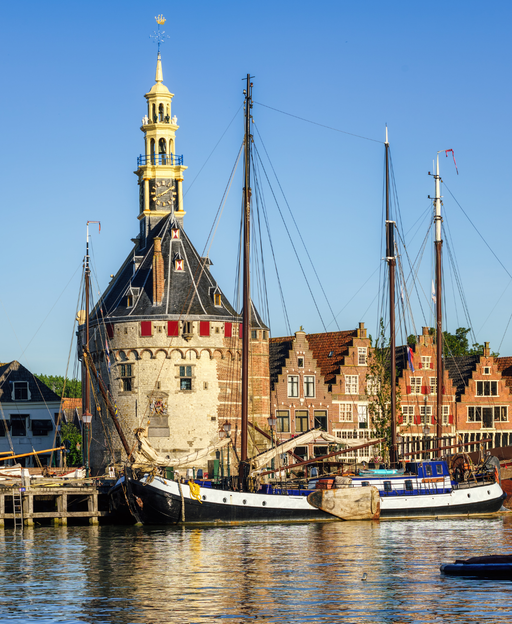
Your ancestor walked these cobblestones. Perhaps in the early 1700s, a young man from Hoorn stood at the harbour and watched a great ship being loaded with spices, silk, and silver. Days later, he boarded that ship and sailed east — to Batavia, to Ceylon, to the Cape of Good Hope. The Dutch East India Company, the VOC, sent over one million men to Asia between 1602 and 1799. Many never came home. But they left descendants across Indonesia, South Africa, Sri Lanka, and Australia. If your family carries Dutch heritage from any of these places, the VOC trail is your trail.
This guide takes you on a Dutch VOC ancestry trail through the ports, archives, and counting houses where the world’s first multinational corporation was built. Whether you are tracing Boer roots, Indo-Dutch family history, or simply want to walk where your forebears walked, these five cities hold the key to your past.
What Was the VOC and Why Does It Matter to Your Family?
The Vereenigde Oost-Indische Compagnie — the Dutch East India Company — was founded in 1602. It was the first company in history to issue shares to the public. For nearly two centuries, it controlled trade routes from the Cape of Good Hope to Japan. It built cities. It governed territories. It shaped the world.
But behind the balance sheets were real people. Sailors, soldiers, merchants, and clerks. Men who left Dutch provinces like Zeeland, North Holland, and Gelderland in search of fortune. Many died young. Some settled and married locally. Their children became the founders of new communities — in Batavia (now Jakarta), at the Cape Colony (now South Africa), in Ceylon (now Sri Lanka).
If your surname is Dutch and your family comes from Indonesia, South Africa, or Sri Lanka, there is a very good chance that a VOC ancestor connects you to the Netherlands. The records to prove it still exist — millions of pages of crew lists, payrolls, and marriage registers, many now digitised and freely searchable online.
Before you book your flights, start with the research. Our guide to tracing your Dutch ancestry step by step covers the key online archives, including the VOC databases held at the Nationaal Archief in The Hague.
🇳🇱 Enjoying this? Netherlands lovers get stories like this every week. Subscribe free →
The VOC Heritage Trail: Five Cities to Visit
The VOC was not centred on one city alone. It had six chambers spread across the Netherlands. Each one funded ships, hired crews, and managed trade. Following the trail means visiting more than just Amsterdam. Here are the five cities that tell the full VOC story — and where you can still feel the weight of history today.
1. Amsterdam — The Heart of the VOC Empire
The Amsterdam Chamber was the largest and most powerful of the six. Start your journey at the Oost-Indisch Huis on Kloveniersburgwal. This was the VOC’s headquarters from 1606. The building still stands. You can walk through its courtyard and stand exactly where merchants once negotiated voyages to Asia.
Nearby, the Scheepvaartmuseum (Maritime Museum) houses the Amsterdam — a full-size replica of a VOC merchant ship. Walk the gun decks. See the cargo holds. Understand, in physical terms, what it meant to board one of these vessels and sail away from everything you knew.
For family research, the Stadsarchief Amsterdam (City Archive) holds extensive records of Amsterdam residents who sailed with the VOC. Many crew lists name the sailor’s home province, making it possible to narrow your search to a specific region of the Netherlands. This pairs well with our planning guide for Dutch heritage trips.
2. Hoorn — Where the Ships Set Sail
Hoorn was one of the great VOC departure ports. Stand at the harbour today and you can still feel the scale of what happened here. The Hoofdtoren, the old tower at the water’s edge, watched over countless departures. The captains and merchants of the VOC era built grand houses on the streets behind it. Many still stand.
The Westfries Museum is the best museum on the VOC outside Amsterdam. Its collection includes portraits of VOC governors, trade goods from Asia, and artefacts brought back by sailors who returned home. The museum’s archives also hold local civic records that can help identify families connected to the VOC trade.
Hoorn produced some of the VOC’s most famous navigators. Abel Tasman — who mapped Australia and New Zealand — was born in the nearby village of Lutjegast but was closely associated with this coast. His voyages, funded by the VOC, changed the map of the world. If you have Dutch-Australian heritage, this is where that story begins.
3. Enkhuizen — The Third Great VOC Port
Enkhuizen is smaller and quieter than Hoorn today, but in the 1600s it was one of the wealthiest ports in the world. The Zuiderzee Museum here preserves the fishing and maritime heritage of the region. While its focus is broader than the VOC, the museum’s outdoor section recreates an entire old Dutch harbour town — an immersive glimpse into the world your ancestors left behind.
Enkhuizen’s local archive holds baptism and marriage records going back to the early 1600s. If your family name connects to this part of North Holland, a morning in the local archive can be genuinely revelatory. Our guide to Dutch surnames of North Holland explains the naming patterns you are likely to encounter.
4. Middelburg — The Zeeland Chamber
The Zeeland Chamber of the VOC was based in Middelburg, the capital of Zeeland province. It was the second-largest VOC chamber, funding hundreds of voyages over the company’s lifetime. Middelburg’s old town survived the Second World War remarkably well. The Abdij complex — a medieval abbey at the centre of the city — remains one of the most beautiful historic sites in the Netherlands.
The Zeeuws Archief (Zeeland Archive) holds VOC records specific to the Zeeland Chamber. These include crew lists, notarial records, and estate documents for sailors who did not return. Many Afrikaner families trace their origins to Zeeland — the Jan van Riebeeck connection runs deep here. Van Riebeeck, who founded the Cape Colony in 1652 as a VOC refreshment station, came from a family with strong Zeeland connections. If you are following Boer heritage in the Netherlands, Middelburg belongs on your itinerary.
Zeeland also produced many of the sailors who served at the Cape of Good Hope. The Zeeuws Archief’s digitised collections are partially available online, and staff can assist with research appointments. Book well in advance — this is a small but specialist archive with expert staff who know the VOC collections in detail.
5. The Hague — Where the Records Live
End your journey in The Hague, home of the Nationaal Archief — the Dutch national archive. This is where the VOC’s own records ended up after the company was dissolved in 1799. The collection is extraordinary: over 25 million pages of documents covering every voyage, every crew member, every cargo manifest, and every letter sent between VOC stations across Asia.
The VOC records are indexed and partially digitised at nationaalarchief.nl. You can search for a surname and find crew lists showing exactly which ship your ancestor sailed on, when he departed, his age, his home province, and what happened to him — whether he returned, died at sea, or settled abroad. This is genealogical research at its most direct and emotional.
The Nationaal Archief reading room is open to the public. You do not need to be a professional genealogist to use it. Staff speak English and are experienced in helping heritage visitors find their families in the records. Combine your visit with a walk through The Hague’s historic centre — the Binnenhof, the Mauritshuis gallery, and the old diplomatic quarter all tell the story of the Dutch republic that made the VOC possible.
Who Should Follow the VOC Heritage Trail?
The VOC trail is for anyone whose family history intersects with Dutch colonial history. That covers a wider group of people than you might expect.
- Dutch-Indonesian families (Indo community): Over 300,000 people in the Netherlands today identify as Indo-Dutch, descendants of mixed Dutch and Indonesian heritage. Many can trace their families directly to VOC employees who settled in Batavia and other trading posts. The VOC trail connects these families to the specific Dutch provinces where their ancestors originated.
- Afrikaner and South African families: The Cape Colony was founded by the VOC in 1652. Many Afrikaner surnames — Van der Merwe, De Villiers, Du Toit, Joubert — trace directly to VOC employees or the Huguenot refugees who arrived under VOC sponsorship. The Boer roots itinerary covers this in detail.
- Dutch-Americans: New Amsterdam (now New York) was a VOC-sponsored trading post. The original Dutch settlers of New York, New Jersey, and Pennsylvania often had connections to the VOC merchant world. Our Dutch-American homecoming guide explores this heritage.
- Dutch-Australians: Abel Tasman’s voyages opened the Australian coast to Dutch knowledge. Later VOC vessels stopped at the Australian coast, and some sailors were shipwrecked there. Dutch-Australian families with colonial-era roots often have VOC connections.
- Anyone with a Dutch surname: If your family kept a Dutch surname across generations abroad, the VOC is often the mechanism that explains how they got there. Even families that left later — during the 19th-century Dutch colonial period — often descend from VOC-era settlers.
Planning Your VOC Heritage Trip
The five cities on this trail are all within easy reach of each other. The Netherlands is a small country. You can travel between Amsterdam, Hoorn, Enkhuizen, Middelburg, and The Hague entirely by train and regional transport.
Allow at least five days to do the trail properly. If you plan to spend time in archives — which is strongly recommended — build in extra days. Archive appointments often need to be booked weeks in advance. Contact each archive by email before your trip and explain what you are looking for. Be specific: a surname, a time period, a port of departure. The more specific you are, the more useful the staff can be.
The 5-day Dutch heritage itinerary offers a structured framework you can adapt for the VOC trail. The core principle is the same: move from archive research to physical places, so that the names in the records connect to real streets, real harbours, and real landscapes.
Spring and early autumn are the best times to visit. Summer brings crowds to Amsterdam. Winter is quieter but some smaller museums reduce their hours. May, June, September, and October offer the best balance of good weather and manageable visitor numbers.
Before you travel, do your digital research. The VOC crew lists at nationaalarchief.nl are free to search. WieWasWie.nl aggregates Dutch birth, marriage, and death records from 1811 onwards. For pre-1811 records, the Genlias database (now part of WieWasWie) holds baptism and marriage registers from Reformed, Catholic, and other churches. Our step-by-step ancestry guide walks through all of these resources in detail.
Find your ancestor’s name in the records first. Then follow them to the Netherlands. That order — research before travel — turns a general heritage trip into something much more personal. You will stand in Hoorn knowing that your ancestor stood in this same harbour. That changes everything.
Frequently Asked Questions
Where are VOC records held in the Netherlands?
The main VOC archive is held at the Nationaal Archief in The Hague. The collection includes over 25 million pages of documents covering the period 1602 to 1799. Many records are digitised and searchable free of charge at nationaalarchief.nl. Regional archives in Amsterdam, Middelburg, Rotterdam, Delft, Enkhuizen, and Hoorn also hold supplementary VOC-related records from the local chambers.
Can I find my ancestor’s VOC ship manifest?
Yes. The VOC maintained detailed crew lists called scheepsmonsterrollen (muster rolls). These record the name, age, home province, occupation, and wage of every person who sailed. They also note whether the sailor returned, died, or deserted. Many of these lists are now digitised and indexed by surname at the Nationaal Archief. A search for a Dutch surname often returns results directly linking to specific voyages and departure dates.
Are VOC records available online?
A growing number of VOC records are available online for free. The Nationaal Archief has digitised significant portions of the muster rolls and made them searchable at nationaalarchief.nl. The VOC also maintained records of marriages, baptisms, and deaths at its overseas stations — many of these are available through FamilySearch and the CBG (Centre for Family History in The Hague). Not all records are yet online, so an in-person archive visit can still uncover information unavailable digitally.
What is the connection between the VOC and South Africa?
The Cape Colony at the southern tip of Africa was established by the VOC in 1652 as a refreshment station for ships travelling between the Netherlands and Asia. Jan van Riebeeck, the VOC official who founded the settlement, brought the first Dutch settlers. From 1688, Huguenot refugees arrived under VOC sponsorship. The descendants of these early settlers became the Afrikaner people. Many Afrikaner surnames — Van der Merwe, De Villiers, Du Toit, Visser, Joubert — can be traced directly to specific VOC employees or Huguenot settlers recorded in the Cape archives and the Nationaal Archief.
You Might Also Enjoy
- How to Trace Your Dutch Ancestry: A Step-by-Step Guide — everything you need before you travel
- From Table Mountain to Amsterdam: Tracing Your Boer Roots — a dedicated itinerary for South African families
- 5-Day Dutch Heritage Itinerary: Trace Your Roots Across the Netherlands — a structured plan for your heritage trip
Join Netherlands Lovers
Every week, discover the Netherlands beyond the tourist trail — hidden villages, local recipes, cycling routes, and travel insights you won’t find in any guidebook.
Subscribe free — enter your email:
Already subscribed? Explore our archives for more hidden Dutch gems.
Love more? Join 64,000 Ireland lovers → · Join 43,000 Scotland lovers → · Join 30,000 Italy lovers →
Free forever · One email per week · Unsubscribe anytime
Plan Your Netherlands Trip: Ready to follow your ancestors? Visit our Start Here page for everything you need to plan your heritage journey to the Netherlands.
Tours & experiences you might love


Powered by Viator. Some links are affiliate links — we may earn a small commission at no extra cost to you.