
Apr 23, 2026
|
How a Gouda Baker’s Scraps Became the Netherlands’ Favourite Treat
plus get weekly Netherlands stories free in our newsletter.
|
|
Love Netherlands
|
|
Dear Netherlands,
There are two kinds of mornings in the Dutch spring. The kind where you cycle to the market and come home with warm cheese and rye bread and a handful of wild tulips. And the kind where it rains sideways for an hour, then the sun comes out and everything looks like a Vermeer. Today, if you’re lucky, is one of those mornings.
|
|
If the daily newsletter brings you closer to the Netherlands, our Sunday Premium Edition takes you deeper into it. Every Sunday you’ll receive travel deep dives, curated itineraries, regional stories, and hidden gems you won’t find anywhere else.
Upgrade for less than the price of a pint and see the Netherlands in a completely new way.
|
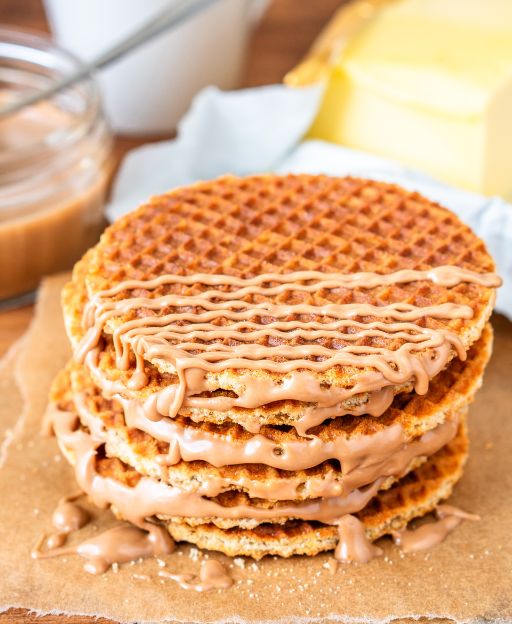
Image: Shutterstock
|
In today’s email:
- How a Gouda Baker’s Scraps Became the Netherlands’ Favourite Treat
- At The Café — Café Hoppe — The Brown Café at the Centre of Amsterdam
- Around The Web — The Dutch Canal City Where Rembrandt Was Born — and Most Tourists Never Stay and more
- From Love Netherlands — Why This Remote Dutch Village Was Built in the Shape of a Perfect Star
- Dutch Food You Will Love — Raw Herring — The Dutch Test
|
How a Gouda Baker’s Scraps Became the Netherlands’ Favourite Treat
👉 Read the full story
The first time many visitors encounter a stroopwafel, it arrives in a small foil wrapper on an aeroplane. A flight attendant places it on the tray next to a paper cup of coffee. Nobody explains what to do next. A Dutch person would not need telling. You place the waffle on top of the cup. You let the steam rise. You wait. Then you eat. That simple ritual has a history stretching back over 200 years — and it started with a baker who refused to throw anything away.
The Baker Who Made Something from Nothing Gerard Kamphuisen ran a small bakery in Gouda in the early 1800s. Most historians place the stroopwafel’s invention around 1810. The exact year is debated. The reason it exists at all is not. Kamphuisen hated waste. After baking, he collected the crumbs and offcuts left behind. He bound them together with syrup, pressed the mixture into a waffle iron, and sliced each disc horizontally…
👉 Read the full story
Have you been there? Do you have a memory of this corner of the Netherlands? Hit reply and tell us — we’d love to hear your story.
|
|
“Want deep dives into the Netherlands every Sunday? Our Premium readers already have their next edition waiting.”
|
At The Café
Café Hoppe — The Brown Café at the Centre of Amsterdam
Café Hoppe on the Spui has been pouring beer since 1670 — long enough that the wooden floor has sunk slightly at the door from three and a half centuries of footfall. It’s the kind of place where the bartender knows the regulars’ orders, the tourists get treated exactly the same as the locals, and the bitterballen come out exactly hot enough to burn the roof of your mouth if you don’t wait. It sits right in the middle of the city, a few minutes’ walk from the Dam, and it’s one of the last genuinely authentic brown cafés you can still find without trying. Come in the late afternoon, sit outside on the pavement, and order a beer.
👉 Visit the café
|
Around The Web
|
From Love Netherlands
Stand at the edge of Groningen province, near the German border, and you find a village that makes no sense at first glance. The streets run at odd angles. The moat forms a perfect ring. From above, the whole thing looks like a star drawn in water and earth. Bourtange is not an accident. Every line was planned. The Reason a Village Needed to Be a Star In the 1580s, the Dutch were fighting for survival. Spain controlled much of the Low Countries,…
👉 Read the full story
|
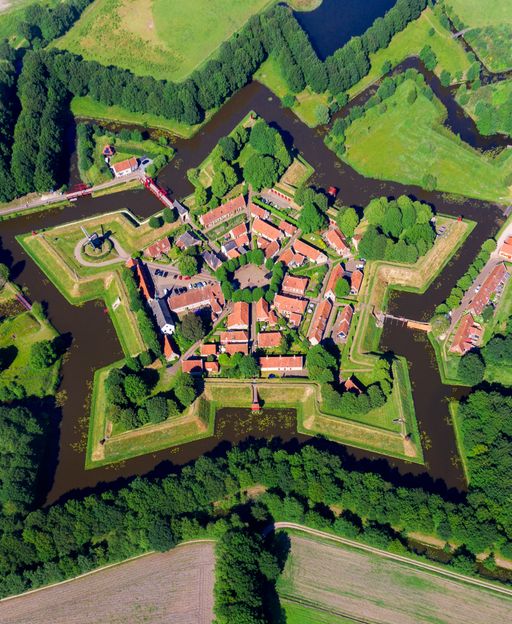
Image: Shutterstock
|
Dutch Food You Will Love
Raw Herring — The Dutch Test
Every spring, a Dutch ritual unfolds on the streets of Amsterdam, The Hague, and Scheveningen. Herring stalls put out the year’s first catch — the Hollandse nieuwe — and locals queue to eat it raw, tipped back by the tail, sometimes on a soft white roll with onions. It tastes of the sea and of brine and, if you’re lucky, of nothing at all in the best possible way. Foreigners tend to grimace the first time. The Dutch laugh gently. “Three bites,” they say. “Then you love it forever.” They are usually right.
👉 Read the full story
|
|
Know Someone Who Loves the Netherlands?
If you’re enjoying this letter, the best thing you could do is forward it to one friend who’d love the Netherlands too. This newsletter grows by word of mouth alone — every single subscriber came from someone sending it to someone else. Thank you for being one of the first.
|
|
Our daily newsletter is free and always will be. But for less than the price of a pint, you can upgrade to our Sunday Premium Edition, which gives you access to our travel deep dives, curated itineraries, and regional stories. Consider buying us a stroopwafel — it’s the Dutch way to say thank you.
|
Also From Our Family
Love Ireland too? Over 65,000 readers wake up each morning to the Love Ireland newsletter — loveireland.substack.com
Or Scotland? Join 43,000 Scotland lovers — lovescotland.substack.com
|
|
You’re reading Love Netherlands — a free letter about canal towns, hidden villages, and Dutch stories, delivered Monday to Friday.
inlovewithnetherlands.com ·
Unsubscribe
© 2026 Love Netherlands · Part of the Love To Visit LLC family
|