
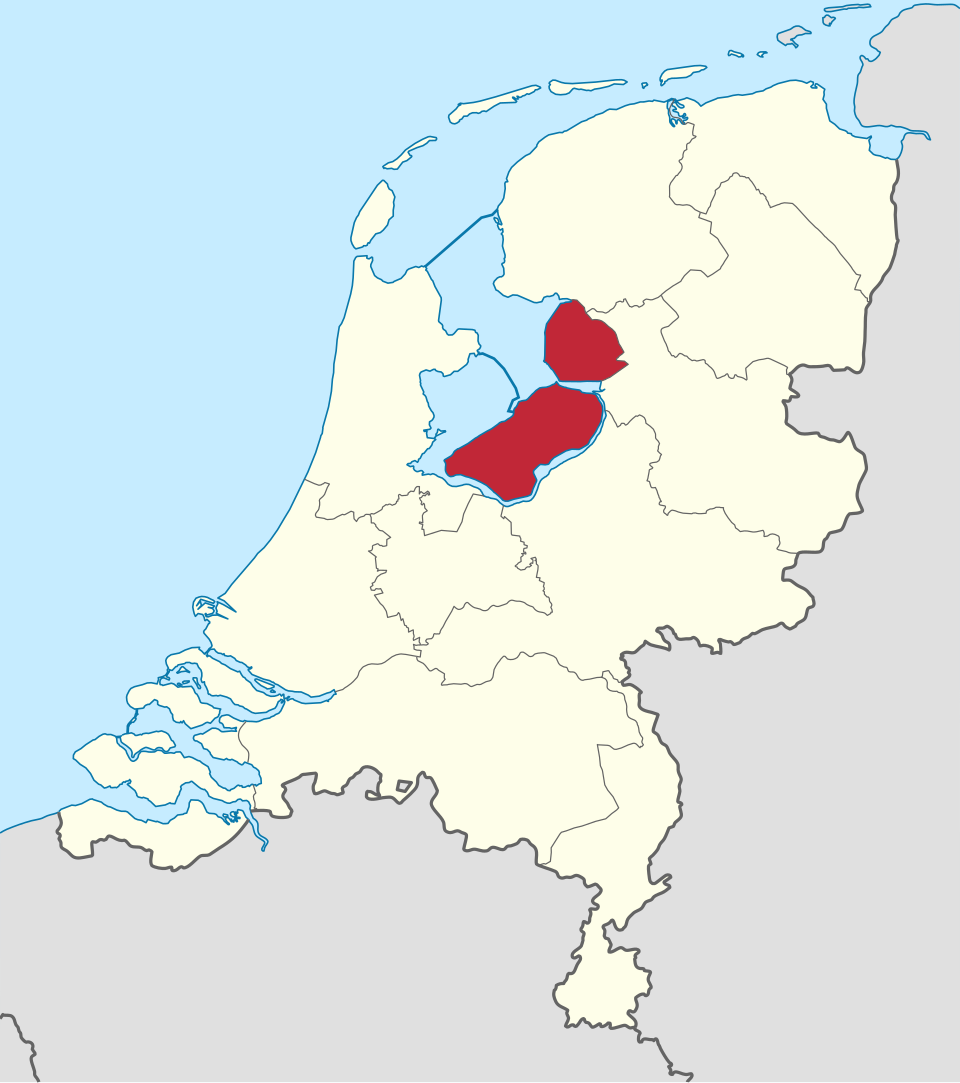
Most Dutch provinces carry centuries of history. Flevoland carries something rarer — the memory of water. This land did not exist until the 20th century. The fields, towns, and farmhouses you see today were built on the bottom of the Zuiderzee sea. If your family settled here, they were pioneers in the truest sense. Tracing your Flevoland roots means understanding both where they arrived — and where they came from before.
A Province Built From the Sea
Flevoland became an official Dutch province in 1986. But the story of its land began decades earlier. The Dutch government drained vast stretches of the Zuiderzee through a series of polders. Each new polder brought settlers — families who agreed to build their lives on brand-new land rising from the sea.
The result is a province unlike any other in the Netherlands. Its roads are straight. Its towns are orderly. Its farmhouses sit on plots that were carefully measured and allocated. Everything here was planned, because everything had to be built from nothing.
For heritage travellers today, this creates a powerful story. The settlers who came to Flevoland chose something extraordinary. And their descendants around the world carry that choice in their family history.
Who Settled Flevoland?
Flevoland’s settlers arrived in waves, each tied to a different polder. Understanding which polder your family settled in tells you when they came and where they likely originated.
The Noordoostpolder Pioneers
The Noordoostpolder was drained in 1942, during the Second World War. The Dutch government selected settlers with care. They came from many provinces, but Groningen, Overijssel, and Zeeland were well represented. Each family received a farm plot and the task of making it productive.
If your family name appears in Noordoostpolder records from the 1940s and 1950s, your ancestors were part of this first generation. Many polder pioneer families later emigrated to Canada, Australia, and the United States. Their Overijssel and Groningen surnames often reveal themselves clearly in the archive records.
Urk: The Ancient Island
Urk deserves its own chapter. This fishing village spent centuries as an island in the Zuiderzee. When the Noordoostpolder was drained around it in 1942, Urk became part of the mainland almost overnight. The village kept its dialect, its Reformed faith, and its fishing tradition.
Many Urkers emigrated in the decades that followed. Their descendants live today in Grand Rapids and Zeeland in Michigan, in British Columbia in Canada, and in New Zealand. If your family came from Urk, you belong to a tight-knit diaspora with centuries of maritime heritage behind it.
Dutch-Indonesian Settlers
After Indonesian independence in 1945, over 300,000 Dutch colonials and Dutch-Indonesians returned to the Netherlands. Many were resettled in the newly drained polders. Towns like Emmeloord and later Lelystad received significant Indo-Dutch communities.
If your family has Dutch-Indonesian heritage and settled in Flevoland, The VOC Trail article gives context to the broader journey. The new polders offered affordable land at a time when few Dutch communities were ready to absorb returning colonials. Flevoland became home for thousands of families seeking a fresh start.
🇳🇱 Enjoying this? Netherlands lovers get stories like this every week. Subscribe free →
Finding Flevoland Family Records
Tracing Flevoland roots requires two research tracks. First, find where your ancestor settled within the province. Second, trace back to where they came from before Flevoland — because everyone here has roots elsewhere. Start with this guide to tracing Dutch ancestry for the full picture, then return to the Flevoland-specific sources below.
Municipal Archives
Each municipality in Flevoland holds its own archive. The Gemeentearchief Urk holds centuries of church and civil records — some of the most complete small-community records in the Netherlands. The church community maintained detailed member registers for generations.
The Noordoostpolder Municipal Archive in Emmeloord holds the original polder settler lists. These records show who arrived, when they came, and which plot of land they received. If your family was a Noordoostpolder pioneer, this archive is the essential starting point.
The Gemeentearchief Lelystad covers Lelystad and surrounding areas from the 1957 settlement of Oostelijk Flevoland onwards. The Gemeentearchief Almere covers the youngest polder area, drained from 1968. For settlers who came from northeast Netherlands provinces, the provincial archives of Drenthe and Groningen hold the birth records you will need.
Online Resources
WieWasWie.nl is the starting point for any Dutch genealogy search. It indexes civil records from the Burgerlijke Stand from 1811 onwards. Because Flevoland settlers came from other provinces, the search will often redirect you. A settler from Groningen will have birth records in Groningen, not in Emmeloord.
Delpher.nl holds digitised Dutch newspapers and historical documents. It can help you find contemporary accounts of polder settlement, including personal stories from pioneer families written in regional papers of the 1940s and 1950s. For Indo-Dutch researchers, the KITLV (Royal Netherlands Institute of Southeast Asian and Caribbean Studies) in Leiden holds relevant colonial-era and repatriation archives.
Church Records
Urk’s Reformed congregation kept exceptional records across centuries. These go back far further than most Dutch towns of similar size. For polder settlers more broadly, denomination matters: Dutch Reformed (Hervormde Kerk) records are at the provincial church archive; Gereformeerde Kerk records are with the denomination’s own archive; Catholic records are with the relevant diocese.
Visiting Flevoland for Heritage Research
Flevoland rewards the heritage traveller who takes time to understand what they are looking at. Every straight road, every flat field, every orderly farmhouse was deliberately placed. This was a planned landscape, built by people your family may have known personally.
Urk
Walk the old harbour. Urk’s lighthouse stands on a promontory above the water — a landmark that guided fishing boats long before the polder changed the landscape. The Museum ‘t Fiskershus tells the history of the fishing community through generations of hardship and pride. The old churchyard is particularly moving: generations of the same surnames — Romkes, Kramer, Bakker — are buried here. This is a community that has always known exactly who it is.
Emmeloord and Schokland
Emmeloord was built as the Noordoostpolder’s administrative centre. The Schokkerpad walking trail follows the route of the drowned island of Schokland — a community evacuated in 1859 before the sea took their land for good. Schokland is now a UNESCO World Heritage Site within the polder. The Schokland Museum tells the story of this lost community and is a reminder that the land beneath Flevoland has held people before.
Lelystad
Lelystad’s Nieuw Land Erfgoedcentrum (New Land Heritage Centre) is the essential museum for polder pioneer heritage. The exhibits cover land reclamation engineering, settler selection, and daily life in the new polder towns. This is the place to understand what your family walked into when they first arrived on empty land.
A 3-Day Flevoland Heritage Itinerary
Day 1 — Urk
Walk the old harbour and lighthouse district in the morning. Visit the Museum ‘t Fiskershus. Book ahead to consult the Gemeentearchief Urk in the afternoon. Stay overnight in nearby Emmeloord.
Day 2 — Emmeloord and Schokland
Follow the Schokkerpad trail in the morning and visit the Schokland Museum. Spend the afternoon at the Noordoostpolder Municipal Archive, where the original settler lists are held. This is the heart of polder pioneer research.
Day 3 — Lelystad
Spend the morning at Nieuw Land Erfgoedcentrum. Book an afternoon slot at the Gemeentearchief Lelystad. Return to Amsterdam by train — the journey takes about an hour.
For deeper trip planning, this Dutch heritage trip guide covers practical research steps in full detail. The Dutch Surnames of Flevoland guide will help you understand what the names you are researching reveal about their province of origin.
Frequently Asked Questions
How do I find records of the original Flevoland polder settlers?
The Noordoostpolder Municipal Archive in Emmeloord holds the original settler lists from 1942 onwards. These records show who arrived, when they came, and which farm plot they received. This is the best single source for Noordoostpolder family research and is open to the public by appointment.
My family is from Urk. Where do I start?
Begin with WieWasWie.nl and search for your family name under Urk. Then contact the Gemeentearchief Urk directly. Urk kept detailed church records for centuries because it was a self-contained island community. These records go back much further than most Dutch towns of similar size.
My family are Dutch-Indonesian and settled in Flevoland. How do I trace them?
Start with the KITLV in Leiden, which holds archives for Indo-Dutch heritage. Then contact the Emmeloord or Lelystad municipal archives for civil records from when your family arrived. The VOC Trail article provides context for understanding the colonial-era journey that preceded their Flevoland settlement.
Can I visit Flevoland on a day trip from Amsterdam?
Yes. Lelystad is 60 minutes from Amsterdam by direct train. Urk and Emmeloord are best reached by car. A day trip can cover Lelystad’s heritage centre and a drive through the polder landscape. A full heritage research visit works better over two or three days, especially if you are booking archive time in multiple towns.
What language are Dutch genealogy records in?
Civil records from 1811 onwards are in Dutch. Church records before 1811 may be in Dutch or Latin. WieWasWie.nl displays records with Dutch field names — names, dates, and places are usually recognisable even without Dutch. Archive staff in Flevoland are generally happy to help with translation during research visits.
You Might Also Enjoy
How to Trace Your Dutch Ancestry: A Step-by-Step Guide
Dutch Surnames of Flevoland: Origins and Meanings
The VOC Trail: Following Your Dutch Ancestors to the East
Join Netherlands Lovers
Every week, discover the Netherlands beyond the tourist trail — hidden villages, local recipes, cycling routes, and travel insights you won’t find in any guidebook.
Subscribe free — enter your email:
Already subscribed? Explore our archives for more hidden Dutch gems.
Love more? Join 64,000 Ireland lovers → · Join 43,000 Scotland lovers → · Join 30,000 Italy lovers →
Free forever · One email per week · Unsubscribe anytime
Plan Your Netherlands Trip
Ready to trace your Dutch roots in person? Visit our Start Here page for a complete guide to planning your Netherlands heritage journey.
Tours & experiences you might love


Powered by Viator. Some links are affiliate links — we may earn a small commission at no extra cost to you.