
Flevoland is unlike any other Dutch province. Its Dutch surnames did not grow over centuries — they arrived with settlers who drained the sea. Most of this land did not exist 80 years ago.
The province was reclaimed from the water, piece by piece, from 1942 onwards. Farmers and families moved in from every corner of the Netherlands. They brought their names, their dialects, and their regional identities with them.
If your family name connects you to Flevoland, this guide will help you understand where it came from. Because in Flevoland, surnames are not just names. They are the story of who came, and why.
A Province Born From Water
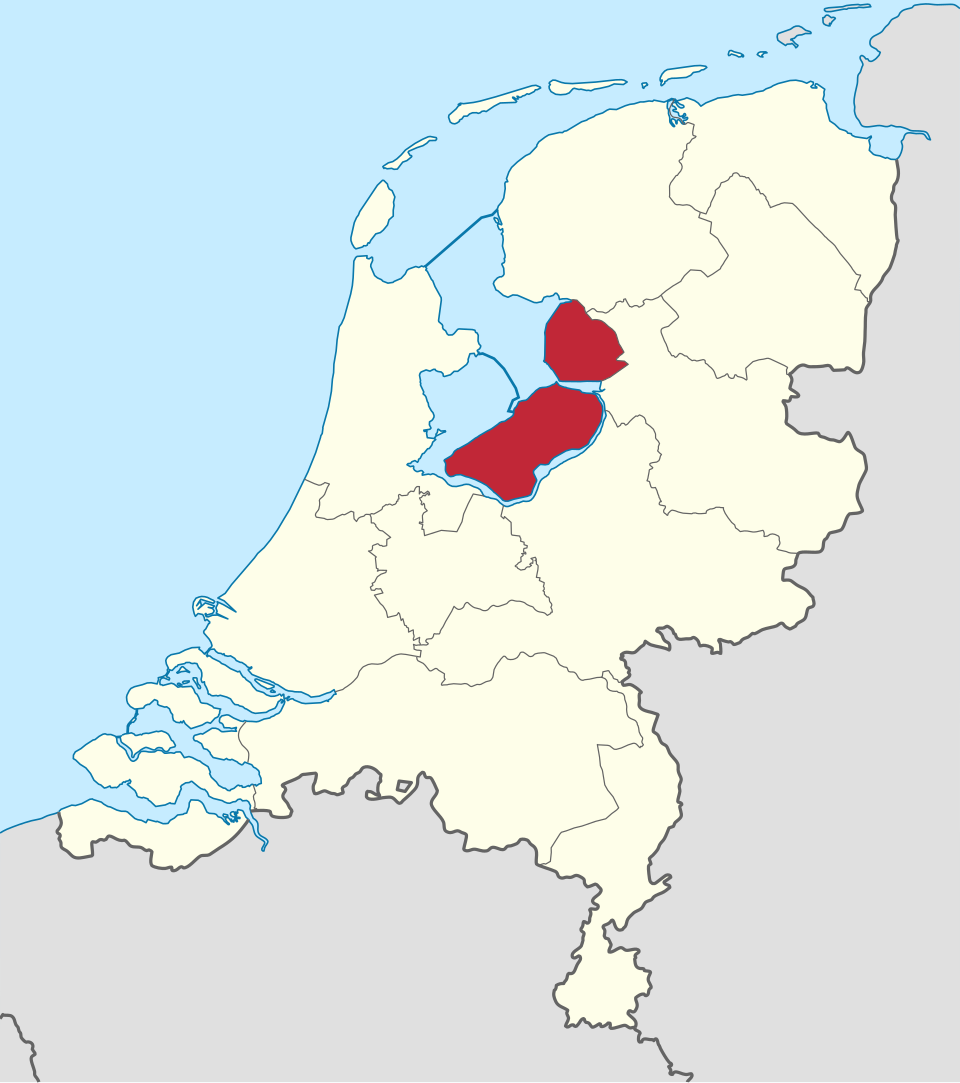
The Zuiderzee was a shallow inland sea. It cut deep into the heart of the Netherlands. For centuries, fishing villages sat along its shores.
Then the Dutch decided to drain it. Engineer Cornelis Lely designed the plan. A great dam, the Afsluitdijk, was finished in 1932. The Zuiderzee became the IJsselmeer. One by one, sections of the sea floor were pumped dry. These new lands were called polders.
- The Noordoostpolder was complete in 1942.
- Eastern Flevoland was drained in 1957.
- Southern Flevoland followed in 1968.
In 1986, these polders became Flevoland — the 12th province of the Netherlands. The city of Lelystad was named after Cornelis Lely himself. Almere, now the fourth largest city in the country, was built on land that had never existed before.
Why Flevoland’s Surnames Come From Everywhere
Most Dutch provinces have surnames that grew slowly over centuries. Local farming families, village trades, and regional dialects all shaped the names.
Flevoland is different. The government chose its first settlers carefully. Farmers from Friesland and Groningen came to the Noordoostpolder. Families from South Holland and North Holland moved to Eastern Flevoland. People from Amsterdam and Utrecht populated the new cities in the south.
This means that if your family has Flevoland roots, their surname probably came from somewhere else entirely. A De Jong from Flevoland may have Frisian roots. A Van Dijk family may trace their name back to South Holland.
Understanding these settlement patterns is key to tracing your Flevoland ancestry. Our guide to tracing Dutch ancestry explains how to begin your research.
Key Dutch Surnames of Flevoland and Their Origins
These surnames appear most often in Flevoland. Each one came with the families who built the province.
Van Dijk
Van Dijk means “from the dyke”. It marked families who lived near a water barrier.
Van Dijk families were common in Holland and Zeeland. In Flevoland, the name fits the landscape perfectly.
De Boer
De Boer means “the farmer”. It was an occupational name for those who worked the land.
De Boer families came largely from Friesland and Groningen. They were among the first polder farmers.
Visser
Visser means “fisherman”. It was given to families who caught fish for a living.
Many Visser families came from coastal towns. Some were from Urk, the ancient island within Flevoland.
Bakker
Bakker means “baker”. It came from the trade of making and selling bread.
Bakker is one of the most common Dutch surnames. Settlers from every province brought this name to the polders.
Van den Berg
Van den Berg means “from the hill” or “from the mountain”. Flevoland has no hills at all.
Van den Berg families brought this name from inland provinces. It remains one of the most common surnames in the province.
Dijkgraaf
Dijkgraaf means “dyke overseer”. It was the title for the official who managed water barriers.
Some families took this as a surname. In Flevoland, no name captures the work of keeping water out more clearly.
Akkerman
Akkerman means “ploughman” or “field worker”. It was a name for arable farmers.
Akkerman families came to the polders to work the new land. It is a name that belongs to the flat fields of Flevoland.
Van der Plas
Van der Plas means “from the pool” or “from the lake”. It was a place-based surname.
Van der Plas families lived near stretches of water. In a province built on drained lakebed, the name has a special weight.
Terpstra
Terpstra is a Frisian surname. It means “from the terp”, a raised earth mound built against floods.
Terpstra families came from Friesland. They were among the early settlers of the Noordoostpolder.
Posthuma
Posthuma is a Frisian surname. It means “son born after the father’s death”.
Posthuma families are closely tied to Friesland. Many moved to the new polders in the 1940s and 1950s.
Mulder
Mulder means “miller”. It came from the trade of grinding grain at a mill.
Mulder is found across the Netherlands. Flevoland’s polder communities included many Mulder families from the eastern provinces.
De Jong
De Jong means “the young one”. It told apart a younger family member from an older one.
De Jong is among the most common surnames in the Netherlands. Settlers from every province brought it to Flevoland.
Van der Wal
Van der Wal means “from the wall” or “from the embankment”. It came from living near a protective bank.
Van der Wal families were common in coastal and river provinces. The name fits naturally in a province guarded by water barriers.
Veldman
Veldman means “man of the field”. It was an occupational name for those who worked open land.
Veldman families often came from the eastern Netherlands. Many settled in the Flevoland polders as pioneer farmers.
Bosma
Bosma is a Frisian surname. It means “from the farm” or “from the woods”.
Bosma families came from Friesland and Groningen. They are well represented among the first polder settlers.
🇳🇱 Enjoying this? Netherlands lovers get stories like this every week. Subscribe free →
Surnames of Urk: An Ancient Island Community
Not all of Flevoland’s surnames arrived with the 20th-century settlers.
Urk is different. It was a fishing island in the Zuiderzee for centuries. When the polders were drained around it, Urk became part of the mainland. Its community kept its own tight identity.
Urk families have surnames that stretch back far longer than the polders. Many are deeply Protestant and carry names tied to the fishing trade.
Schipper
Schipper means “skipper” or “ship captain”. It was given to those who led a vessel at sea.
Schipper families are closely tied to Urk. The name speaks of the fishing heritage of the old island.
Kramer
Kramer means “trader” or “merchant”. It came from those who sold goods at markets.
Kramer families came from towns across the Netherlands. The name is common across Urk and the wider Flevoland region.
Van Urk
Van Urk means “from Urk”. It is a place-based surname tied to the island itself.
Van Urk families carry the name of their home village. Few Dutch surnames are as directly tied to a single place.
Tracing Your Flevoland Ancestry
Because Flevoland is so young, genealogy research works differently here.
There are no parish records from the 1700s or 1800s. The land was not there. If your family lived in the Flevoland polders before 1942, they were officially residents of another province.
The IJsselmeerpolders Archive (Batavialand, Lelystad): This archive holds the original records of polder settlers. The government recorded every family that applied to move in. Applications include names, ages, origins, and occupations. It is an extraordinary resource for Flevoland genealogy.
WieWasWie (wiewaswie.nl): This free portal gives access to Dutch civil records from 1811 onwards. If your Flevoland ancestors came from Friesland, South Holland, or North Holland, their earlier records are here.
Gemeentearchief of the sending province: Trace the family back before Flevoland. Then search the municipal archive of the province they came from. The surnames of Friesland and the surnames of Groningen may hold your earlier family history.
Our full guide to planning a Dutch heritage trip explains how to visit archives in person.
Flevoland Surnames Across the Dutch Diaspora
Many Flevoland surnames have cousins across the world.
Dutch emigration was strong in the 19th and early 20th centuries. Families left for South Africa, the United States, Canada, and Australia. Many came from the same regions that later sent settlers to Flevoland.
If your Afrikaner or Boer family carries a name like Van Dijk, De Boer, or Visser, your ancestors likely came from the same Dutch provinces that populated the polders. The Boer names of the Transvaal are closely related to the names of Flevoland’s polder farmers.
Dutch-American families in Michigan, Iowa, and New York carry the same surnames. De Jong, Mulder, and Bakker were brought to America by Dutch settlers long before the polders were drained. The surnames of South Holland and surnames of North Holland are a good place to trace these roots further.
Frequently Asked Questions About Dutch Surnames of Flevoland
What makes Flevoland surnames different from other Dutch provinces?
Flevoland is the youngest Dutch province, created in 1986 from reclaimed sea land. Its surnames arrived with settlers from across the Netherlands in the 1940s to 1960s. There are no ancient native Flevoland surnames — they all came from elsewhere.
Where did Flevoland’s first settlers come from?
The Noordoostpolder settlers came mainly from Friesland and Groningen. Eastern Flevoland settlers came from South Holland and North Holland. Later settlers in Southern Flevoland came from across the country, including many from Amsterdam and Utrecht.
How do I trace my Flevoland ancestry?
Start with the IJsselmeerpolders Archive at Batavialand in Lelystad. The government recorded all original settlers with their names, ages, and origins. Then trace the family back to their home province and use WieWasWie.nl for civil records.
What are the most common surnames in Flevoland?
De Jong, Bakker, Visser, Van den Berg, and De Boer are among the most common. Many reflect the farming and water-management history of the province. Frisian surnames like Terpstra, Posthuma, and Bosma are also well represented.
Are Urk surnames different from the rest of Flevoland?
Yes. Urk was an island community for centuries before it became part of Flevoland. Its families have older surnames tied to fishing and seafaring, such as Schipper and Van Urk. These names have a different history from the polder settler surnames.
You Might Also Enjoy
- Dutch Surnames of Friesland: Origins and Meanings
- Dutch Surnames of Groningen: Origins and Meanings
- How to Trace Your Dutch Ancestry: A Step-by-Step Guide
Plan Your Flevoland Heritage Journey
Flevoland is not a typical heritage destination. There are no medieval churches or ancient market squares.
But it has something rare: the chance to walk the land your family helped create. Visit the Batavialand museum in Lelystad. See the original polder farmhouses in Schokland, a UNESCO World Heritage site. Stand on the dykes that made the whole province possible.
Our 5-day Dutch heritage itinerary includes the best way to experience Flevoland as part of a roots journey through the Netherlands.
Visit our Start Here page for a complete introduction to heritage travel in the Netherlands.
Join Netherlands Lovers
Every week, discover the Netherlands beyond the tourist trail — hidden villages, local recipes, cycling routes, and travel insights you won’t find in any guidebook.
Subscribe free — enter your email:
Already subscribed? Explore our archives for more hidden Dutch gems.
Love more? Join 64,000 Ireland lovers → · Join 43,000 Scotland lovers → · Join 30,000 Italy lovers →
Free forever · One email per week · Unsubscribe anytime
Tours & experiences you might love


Powered by Viator. Some links are affiliate links — we may earn a small commission at no extra cost to you.