
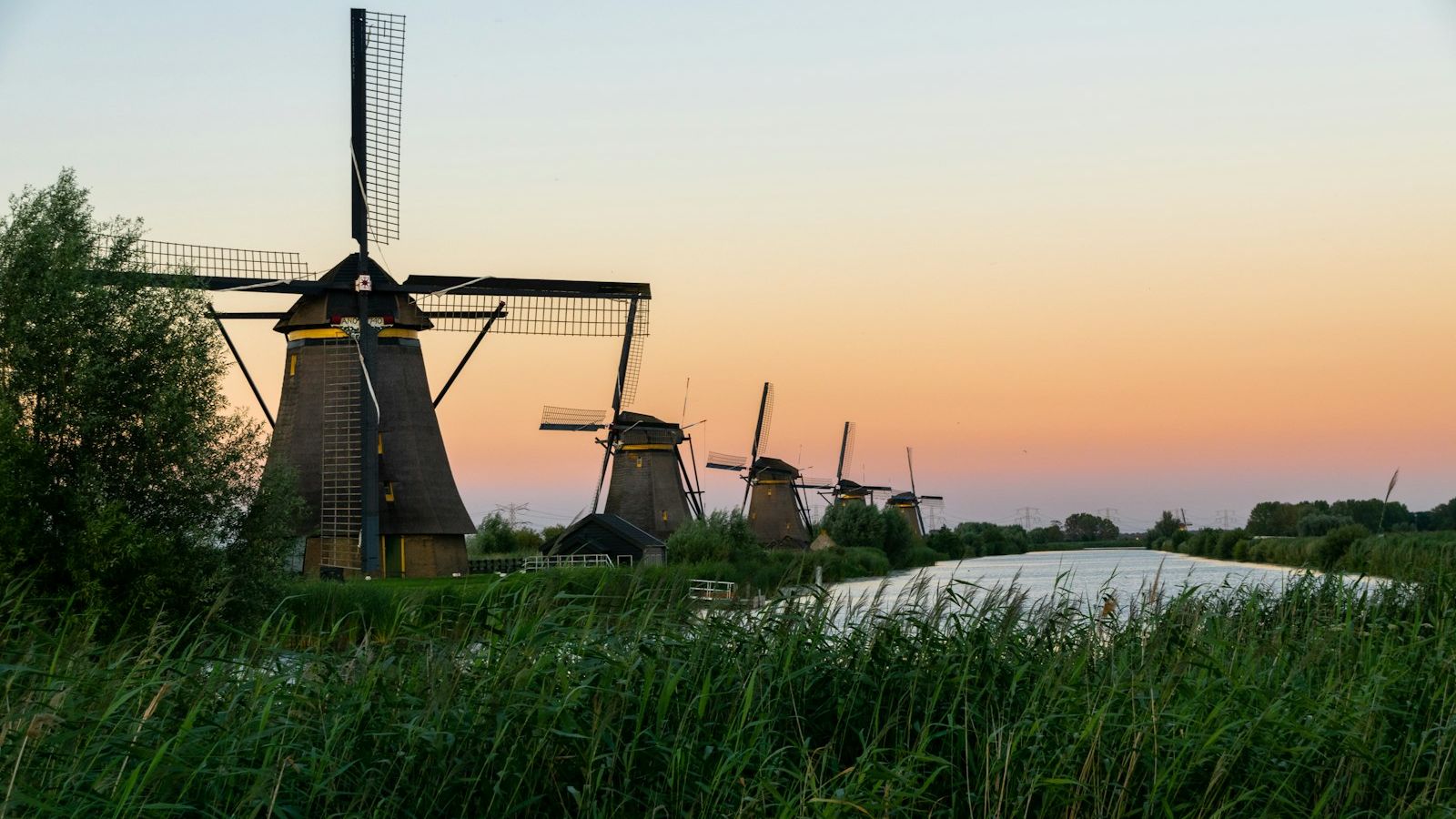
Nieuwlande looks like any other village in Drenthe. Farms line the straight roads. A church tower rises above flat, open fields. Neighbours have known each other for generations.
But during the German occupation of the Netherlands, that closeness became something extraordinary. While much of Europe looked the other way, almost every family in this small Drenthe community chose to hide someone — and then kept that secret for years.
The Village That Said Yes
Germany occupied the Netherlands in May 1940. Within two years, German authorities began mass deportations of Jewish Dutch citizens.
The occupation law was unambiguous. Hiding a Jewish person carried the death penalty — or deportation to a concentration camp — for the entire family, including children.
In Nieuwlande, a village of a few hundred people in the east of Drenthe, almost every household broke that law entirely. Farmers, teachers, and shopkeepers agreed, family by family, to shelter Jewish refugees fleeing the roundups.
No military order came from above. The village organised itself — neighbour by neighbour, door by door.
The Man Who Built the Network
Arnold Douwes made it possible at scale. A local man with no military training, Douwes became one of the most effective resistance organisers in the northern Netherlands.
He worked alongside Max Leons, a Jewish man himself in hiding, to build a supply chain for the people they protected. False identity papers, ration books, and new locations when danger approached — Douwes and Leons coordinated all of it.
Together they helped place hundreds of people across farms and homes throughout Drenthe. Nieuwlande was the heart of that network.
Johannes Post, another resistance leader from Drenthe, worked the same cause from a different angle. Post organised armed resistance operations before his capture. German authorities executed him in July 1944.
What Hiding Someone Actually Required
It is easy to say “they hid people.” It is harder to understand what that meant across five years of occupation.
Strangers slept in barns, attics, and behind false walls. Families shared food rationed to barely enough. A knock at the door in the night could mean German soldiers — or a frightened neighbour. Children learned to stay quiet. Adults lived with the knowledge that one single betrayal could end everything.
This continued not for a week or a month, but from 1942 until liberation in April 1945. The village held. Nobody talked.
Enjoying this? Get stories like this every week from Love Netherlands — Subscribe free →
Why Nieuwlande Stands Alone
Yad Vashem — Israel’s Holocaust memorial and research authority — honours individuals who saved Jewish lives during the war as Righteous Among the Nations. Arnold Douwes is among them.
But Nieuwlande holds a rarer distinction. The village itself received collective recognition — one of very few communities in Europe to receive this honour. The act of hiding was not confined to one brave family. The village made a shared decision, quietly kept for years.
That is what sets Nieuwlande apart from thousands of other occupied villages across Europe.
Visiting Nieuwlande Today
The village sits in the east of Drenthe, roughly two hours from Amsterdam by car. A memorial marks the community’s wartime history. The landscape looks much as it did then — open, flat, and quiet.
There are no crowds here. That is, in its way, the point.
Nieuwlande Village Memorial
The village is accessible by car from Hoogeveen or Meppel — both towns connect to the national rail network. The memorial stands openly in the village with no entry fee and no fixed opening hours. Combine the visit with a walk through the surrounding Drenthe farmland to understand the landscape that shaped this story.
Verzetsmuseum (Dutch Resistance Museum), Amsterdam
The Verzetsmuseum in Amsterdam covers the Dutch occupation from 1940 to 1945 in remarkable depth. It is one of the finest WWII museums in Europe and takes a few hours to move through fully. Pairing a visit there with a journey to Nieuwlande gives you both the national story and the village that lived it.
If you are planning a wider Netherlands trip, our complete planning guide covers the best places to visit across the country. For context on what the occupation ultimately cost ordinary Dutch people, read about the Dutch Hunger Winter of 1944–45 — the starvation crisis that swept the country in the war’s final months.
A Country That Still Remembers
The Netherlands lost a devastating share of its Jewish population during the war. Approximately 75% of Dutch Jews — more than 100,000 people — did not survive. Historians note this figure was higher than in France or Belgium, despite a similar occupation period.
German administrators tracked every Dutch household in detail. The flat landscape offered few natural hiding places. And most people, everywhere, did nothing extraordinary.
Which is precisely why Nieuwlande still matters. Every year on 4th of May, the Netherlands holds two minutes of silence for all who died in the war. Everything stops — trams halt, conversations end, the country goes quiet.
In Nieuwlande, those two minutes carry a different weight. They mark not only the dead, but the choice that an ordinary village made to keep people alive.
Ordinary houses. Ordinary roads. Ordinary people who chose to do something that was anything but ordinary.
What is Nieuwlande famous for?
Nieuwlande is a small village in the Dutch province of Drenthe, known for its extraordinary WWII resistance. During the German occupation, nearly every family hid at least one Jewish person — making it one of the very few communities in Europe to receive collective recognition from Yad Vashem, Israel’s Holocaust memorial authority.
Where is Nieuwlande and can you visit?
Nieuwlande is in the province of Drenthe, in the northeast of the Netherlands, approximately two hours from Amsterdam by car. The village memorial is publicly accessible with no entry fee. The nearest rail connections are at Hoogeveen or Meppel, from where you can take a taxi or hire a car.
What is the best way to learn about Dutch WWII resistance?
Start with the Verzetsmuseum (Resistance Museum) in Amsterdam, which covers the Dutch resistance from 1940 to 1945 in full. Then visit Nieuwlande in Drenthe to see where the story was lived. For context on what the occupation cost ordinary Dutch civilians, the story of the Hunger Winter of 1944–45 is essential reading.
Who was Arnold Douwes?
Arnold Douwes was a Dutch resistance organiser based in Drenthe who helped place hundreds of Jewish refugees in safe houses during the German occupation. He worked with Max Leons to coordinate a network of hiding places across the province. Yad Vashem later recognised him as Righteous Among the Nations.
Love Netherlands — Free Every Week
Canal towns, hidden villages, Dutch stories. A free letter about the Netherlands — written slowly, delivered weekly.
Love more? Join 64,000 Ireland lovers → · Join 43,000 Scotland lovers → · Join 30,000 Italy lovers →
Free forever · One email per week · Unsubscribe anytime
Tours & experiences you might love


Powered by Viator. Some links are affiliate links — we may earn a small commission at no extra cost to you.