Aug 05, 2026
|
Discover Your Flevoland Roots
Uncover family heritage through polder records, fishing archives, and Indo-Dutch history in the Netherlands’ youngest province.
|
|
Love Netherlands
|
|
Dear Netherlands,
Somewhere in the Netherlands right now, someone is pouring a pint of something dark — perfectly. Somewhere, a tulip field is waiting to bloom. Somewhere, a baker is sliding the first tray of stroopwafels onto the counter while the smell fills the whole street. The Dutch don’t make a fuss. They just make things the way their parents and their parents’ parents made them.
|
|
Was this forwarded to you? Subscribe free and never miss an edition →
|
|
If the daily newsletter brings you closer to the Netherlands, our Sunday Premium Edition takes you deeper into it. Every Sunday you’ll receive travel deep dives, curated itineraries, regional stories, and hidden gems you won’t find anywhere else.
Upgrade for less than the price of a pint and see the Netherlands in a completely new way.
|
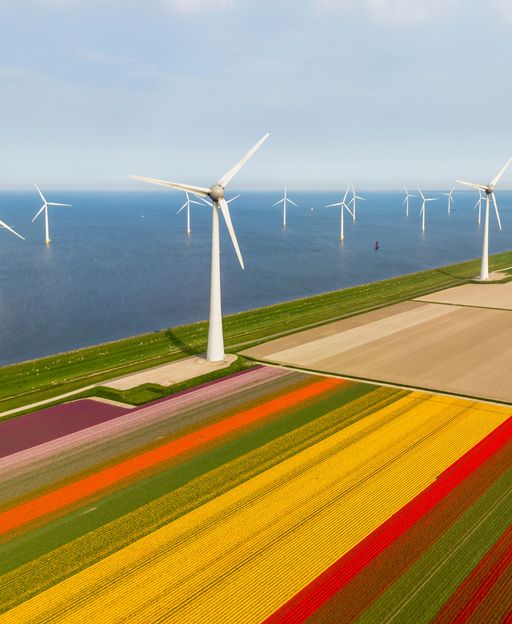
Photo via Love Netherlands
|
In today’s email:
- Tracing Your Family in Flevoland: A Heritage Travel Plan
- At The Café — Café Locus Publicus — Rotterdam’s Belgian Beer Headquarters
- Around The Web — Rotterdam Food Guide: Where to Eat, Drink and Explore the Market Scene (2026), Tracing Your Family in Drenthe: A Heritage Travel Plan, Tracing Your Family in Utrecht: A Heritage Travel Plan + more
- From Love Netherlands — De Hoge Veluwe National Park: The Complete Visitor’s Guide (2026)
- Dutch Food You Will Love — Speculaas — The Spiced Biscuit That Smells Like Christmas
|
Tracing Your Family in Flevoland: A Heritage Travel Plan
👉 Read the full story
Most Dutch provinces carry centuries of history. Flevoland carries something rarer — the memory of water. This land did not exist until the 20th century. The fields, towns, and farmhouses you see today were built on the bottom of the Zuiderzee sea. If your family settled here, they were pioneers in the truest sense. Tracing your Flevoland roots means understanding both where they arrived — and where they came from before. A Province Built From the Sea Flevoland became an official Dutch province in 1986. But the story of its land began decades earlier. The Dutch government drained vast stretches of the Zuiderzee through a series of polders. Each new polder brought settlers — families who agreed to build their lives on brand-new land rising from the sea. The result is a province unlike any other in the Netherlands. Its roads are straight. Its towns are orderly. Its farmhouses sit on plots…
👉 Read the full story
Have you been there? Do you have a memory of this corner of the Netherlands? Hit reply and tell us — we’d love to hear your story.
|
|
“Want deep dives into the Netherlands every Sunday? Our Premium readers already have their next edition waiting.”
|
At The Café
Café Locus Publicus — Rotterdam’s Belgian Beer Headquarters
Locus Publicus is a wood-panelled café on the Oostzeedijk in Rotterdam, with more than 200 beers on the menu and a chalkboard of rotating Belgian taps that changes every fortnight. Rotterdam is mostly modern after the 1940 bombing, but Locus is the city’s quiet exception — wooden floors, candles in glass jars, a cat that sleeps on the bar. Locals come for the Trappist selection and the kitchen’s straightforward menu of stoofpotten and good charcuterie boards. It’s the bar that proves Rotterdam has the same drinking culture as Amsterdam, just told quieter.
👉 Visit the café
|
Around The Web
|
From Love Netherlands
De Hoge Veluwe National Park is the largest national park in the Netherlands, and it rewards every visitor who makes the trip. Set in the heart of Gelderland, this 5,500-hectare landscape of pine forests, shifting sand dunes and purple heathland is unlike anything else in the country. It also holds one of Europe’s great art secrets: the Kröller-Müller Museum, home to the world’s second-largest collection of Van Gogh paintings. Add a fleet of…
👉 Read the full story
|
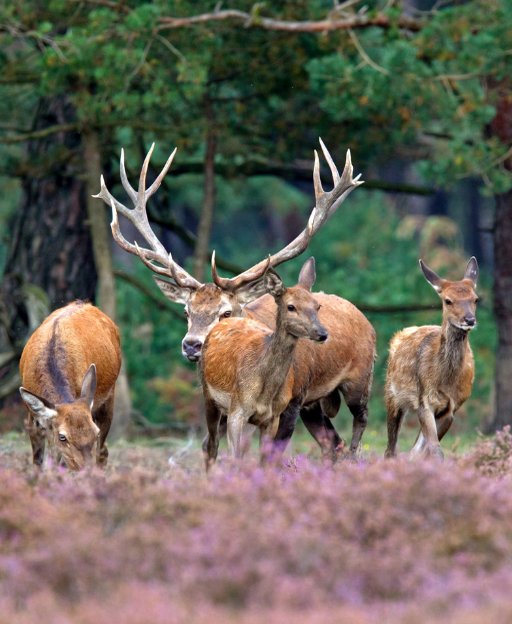
Photo: Shutterstock
|
Dutch Food You Will Love
Speculaas — The Spiced Biscuit That Smells Like Christmas
Speculaas is a thin, crisp biscuit pressed with a wooden mould into intricate patterns — windmills, ships, faces from old folktales — and spiced with cinnamon, nutmeg, cloves, ginger, white pepper and cardamom. It’s eaten year-round but reaches its peak in early December when bakeries make whole speculaaspoppen the size of your forearm. The big windmill-shaped biscuits show up free on saucers at every café from October onwards. A good speculaas should snap cleanly between your fingers and release the warm spice smell before you’ve even raised it to your mouth.
👉 Read the full story
|
|
Know Someone Who Loves the Netherlands?
If you’re enjoying this letter, the best thing you could do is forward it to one friend who’d love the Netherlands too. This newsletter grows by word of mouth alone — every single subscriber came from someone sending it to someone else. Thank you for being one of the first.
|
|
Our daily newsletter is free and always will be. But for less than the price of a pint, you can upgrade to our Sunday Premium Edition, which gives you access to our travel deep dives, curated itineraries, and regional stories. Consider buying us a stroopwafel — it’s the Dutch way to say thank you.
|
Also From Our Family
Love Ireland too? Over 64,000 readers wake up each morning to the Love Ireland newsletter — loveireland.substack.com
Or Scotland? Join 43,000 Scotland lovers — lovescotland.substack.com
|
|
You’re reading Love Netherlands — a free letter about canal towns, hidden villages, and Dutch stories, delivered Monday to Friday.
inlovewithnetherlands.com ·
Unsubscribe
© 2026 Love Netherlands · Part of the Love To Visit LLC family
|