Jul 13, 2026
|
Leiden’s Treasures, Waiting to Be Discovered
Discover where Rembrandt’s genius, pilgrim history, and tulip innovation converge in one enchanting canal city.
|
|
Love Netherlands
|
|
Dear Netherlands,
The Dutch have a word — gezellig — that doesn’t translate. It’s the feeling of a candle on a wet Tuesday. It’s a bar full of people who’ve known each other since school. It’s the brown café where the owner remembers your order and the rain outside makes the windows glow. You can’t chase it. You can only notice when it finds you.
|
|
Was this forwarded to you? Subscribe free and never miss an edition →
|
|
If the daily newsletter brings you closer to the Netherlands, our Sunday Premium Edition takes you deeper into it. Every Sunday you’ll receive travel deep dives, curated itineraries, regional stories, and hidden gems you won’t find anywhere else.
Upgrade for less than the price of a pint and see the Netherlands in a completely new way.
|
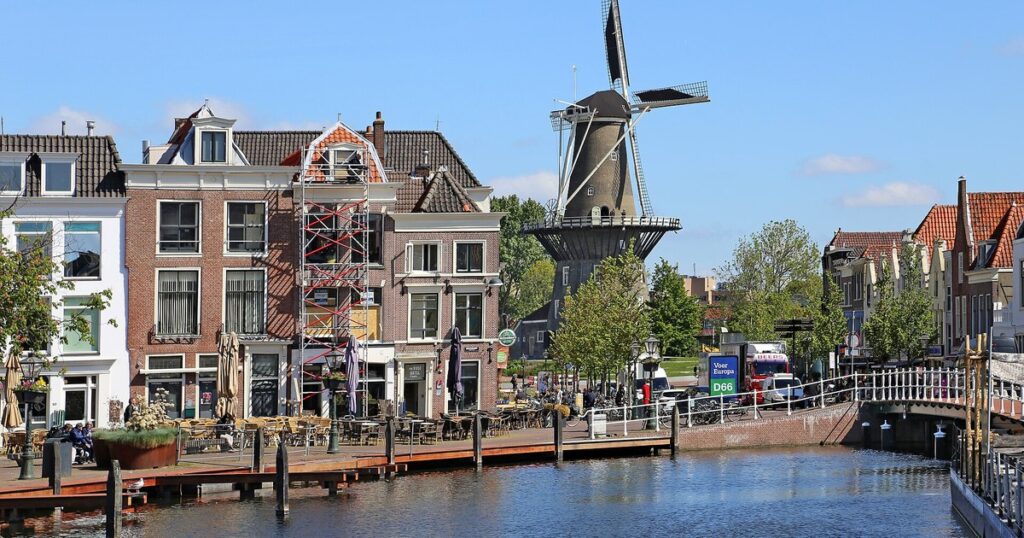
W. Bulach via Wikimedia Commons (CC BY-SA 4.0)
|
In today’s email:
- Leiden: Where Rembrandt, Pilgrims and the First Dutch Tulips Share the Same City
- At The Café — Café De Doffer — Amsterdam’s All-Day Neighbourhood Bar
- Around The Web — Texel Island Netherlands: The Complete Visitor’s Guide, Tracing Your Family in Zeeland: A Heritage Travel Plan, The Dutch Words That Don’t Translate — and What They Tell You About the Netherlands + more
- From Love Netherlands — Tracing Your Family in North Holland: A Heritage Travel Plan
- Dutch Food You Will Love — Oliebollen — The Dutch Doughnut of New Year’s Eve
|
Leiden: Where Rembrandt, Pilgrims and the First Dutch Tulips Share the Same City
👉 Read the full story
Leiden: Where Rembrandt, Pilgrims and the First Dutch Tulips Share the Same City A city of canals, scholars and centuries of stories, Leiden is one of the most richly layered places you can explore in the Netherlands An introduction to Leiden Standing at the confluence of the Old Rhine and the New Rhine, Leiden has been doing remarkable things for a very long time. It is a city that gave Rembrandt van Rijn to the world, sheltered the Pilgrim Fathers before they sailed for America, introduced the tulip to the Netherlands, and founded the country’s oldest university on the back of a legendary Spanish siege. For a place with fewer than 125,000 inhabitants, its contribution to history is almost absurdly outsized — and yet the city itself remains unhurried, beautifully preserved, and entirely unpretentious about all of it. The compact centre folds neatly around a web of canals, brick bridges…
👉 Read the full story
Have you been there? Do you have a memory of this corner of the Netherlands? Hit reply and tell us — we’d love to hear your story.
|
|
“Want deep dives into the Netherlands every Sunday? Our Premium readers already have their next edition waiting.”
|
At The Café
Café De Doffer — Amsterdam’s All-Day Neighbourhood Bar
Café De Doffer on the Runstraat in the Nine Streets has been a daily-life café since 1900. It’s open from morning coffee through to late-night last-call, and you’ll see the same faces drift through every part of the day — students in the morning, freelancers at lunch, locals after work, regulars after midnight. The kitchen does a small menu of well-cooked Dutch comfort food, the wine list is short and good, and the back room has a pool table that has been there since the seventies. It’s the closest thing the Nine Streets has to a living room.
👉 Visit the café
|
Around The Web
|
From Love Netherlands
Your opa left a village north of Amsterdam. Your grandmother kept a photograph of a harbour town with wooden fishing boats. Somewhere in North Holland, your family’s Dutch story began. North Holland is the heart of Dutch history. It is home to Amsterdam, Haarlem, Alkmaar, and the old Zuiderzee ports of Hoorn and Enkhuizen. For those with Dutch roots, this province holds some of the richest genealogical records in the country. The Amsterdam City…
👉 Read the full story
|
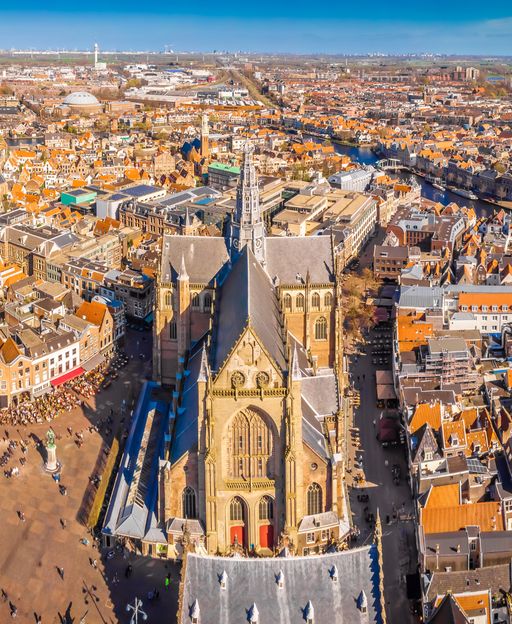
Photo via Love Netherlands
|
Dutch Food You Will Love
Oliebollen — The Dutch Doughnut of New Year’s Eve
Oliebollen are round Dutch doughnuts, usually with raisins or currants tucked inside, deep-fried until the outside is crisp and the inside is light and yeasty, then dredged in icing sugar. Every Dutch town has at least one oliebollenkraam — a temporary stall — that appears in late December and disappears on 1 January. They’re the food of New Year’s Eve. The annual AD newspaper test of the country’s best stalls is a national event in itself, and Dutch families will drive an hour to buy a bag of warm oliebollen from whichever vendor wins.
👉 Read the full story
|
|
Know Someone Who Loves the Netherlands?
If you’re enjoying this letter, the best thing you could do is forward it to one friend who’d love the Netherlands too. This newsletter grows by word of mouth alone — every single subscriber came from someone sending it to someone else. Thank you for being one of the first.
|
|
Our daily newsletter is free and always will be. But for less than the price of a pint, you can upgrade to our Sunday Premium Edition, which gives you access to our travel deep dives, curated itineraries, and regional stories. Consider buying us a stroopwafel — it’s the Dutch way to say thank you.
|
Also From Our Family
Love Ireland too? Over 64,000 readers wake up each morning to the Love Ireland newsletter — loveireland.substack.com
Or Scotland? Join 43,000 Scotland lovers — lovescotland.substack.com
|
|
You’re reading Love Netherlands — a free letter about canal towns, hidden villages, and Dutch stories, delivered Monday to Friday.
inlovewithnetherlands.com ·
Unsubscribe
© 2026 Love Netherlands · Part of the Love To Visit LLC family
|