
Your family might call the Cape their home. But somewhere, centuries ago, your ancestors left the Netherlands for a journey they could never have imagined. Their descendants built farms, towns, and a nation. Now you can follow that trail back to its source.
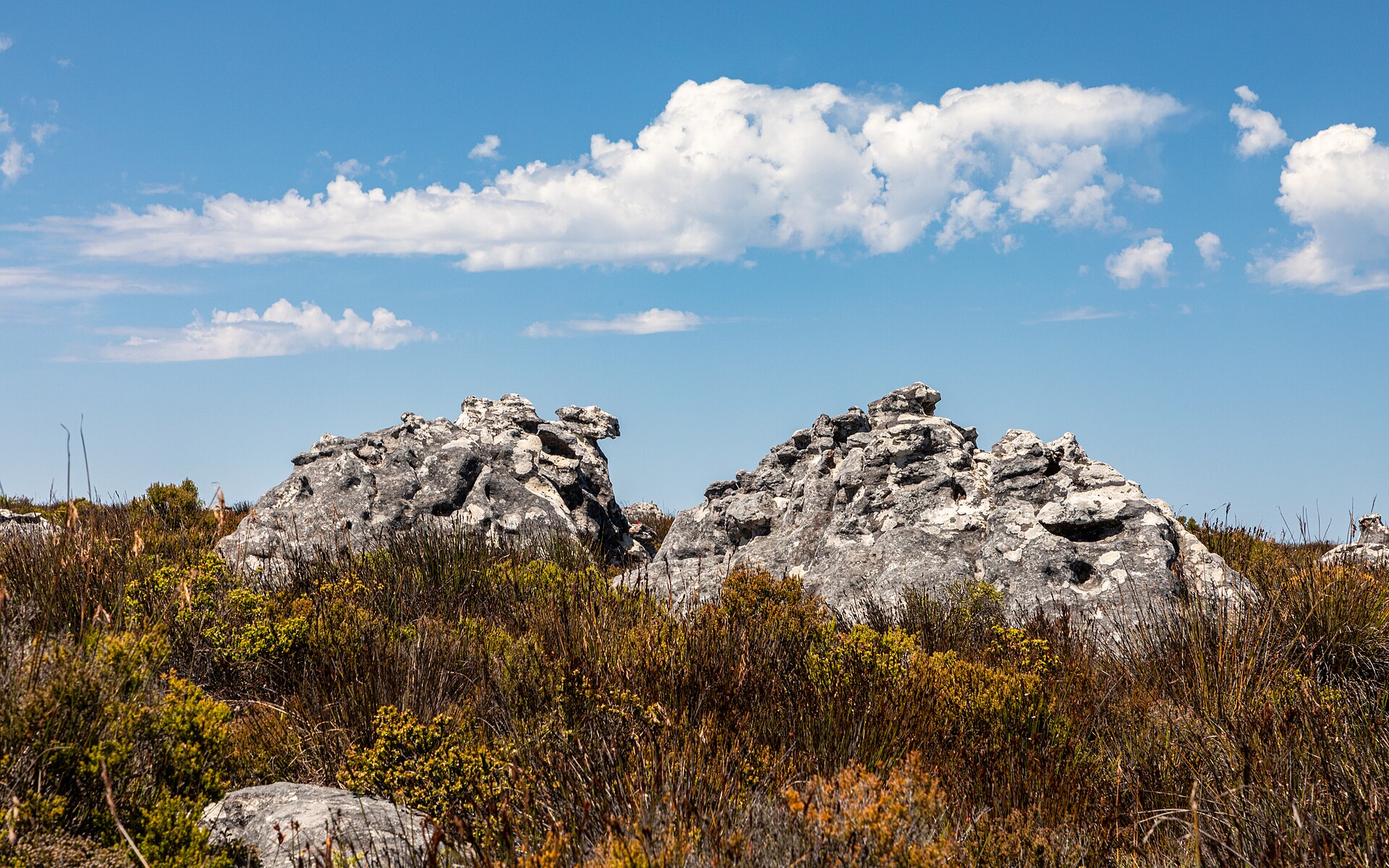
This guide is for South Africans of Dutch descent — Boer and Afrikaner families whose surnames, language, and faith still carry the fingerprints of the Low Countries. It covers the history, the key archives, the towns to visit, and how to plan your own heritage journey from Table Mountain to Amsterdam.
Why Dutch Roots Run So Deep in South Africa
In 1652, a Dutch surgeon named Jan van Riebeeck stepped ashore at the Cape of Good Hope. He had come on behalf of the Dutch East India Company — known as the Vereenigde Oost-Indische Compagnie, or VOC. His job was to set up a supply station for VOC ships sailing between Europe and Asia.
Van Riebeeck was born in Culemborg, a quiet market town in what is now the province of Gelderland. He had no idea his small fort would one day become Cape Town.
Over the following decades, Dutch settlers arrived in small numbers. They came from across the Netherlands — from Zeeland, from South Holland, from North Holland, from Friesland. Some were VOC employees. Others came as vrijburgers, free citizens looking for land and opportunity.
French Huguenot refugees joined them in 1688. German Lutheran settlers followed. But the Dutch backbone remained strong. The language they all eventually spoke was shaped by 17th-century Dutch dialects. Today we call it Afrikaans.
Which Dutch Provinces Did Your Boer Ancestors Come From?
Most early Dutch settlers at the Cape came from just a few provinces. Knowing this can help you focus your heritage research.
Zeeland was the home of many early VOC employees. The company had a chamber in Middelburg, and Zeeland sailors and workers were common in early colonial records. Surnames like De Waal and Van Zyl can often be traced here.
South Holland supplied many settlers too. Rotterdam and Dordrecht were busy VOC ports. Families setting off for the Cape often departed from these towns. If your surname appears in the Dutch surnames of South Holland, there is a good chance your roots lie here.
North Holland was home to Amsterdam, the head office of the VOC. Many company records were kept here. North Holland surnames such as Van Amsterdam and Haan appear in early Cape census lists.
Friesland contributed seafarers and tradespeople. Frisian surnames are distinctive — they often end in -ma, -sma, or -stra. If your family has a name like Postma or Bousma, Friesland may be your starting point.
Many families came from smaller towns and villages within these provinces. Your ancestral home might be a place you have never heard of — a village on a polder, a harbour town on the Maas, a market town surrounded by tulip fields.
That is exactly what makes this journey so powerful.
🇳🇱 Enjoying this? Netherlands lovers get stories like this every week. Subscribe free →
Key Archives for Boer and Afrikaner Family Research
Before you travel, do your research. The more you know before you arrive, the more meaningful your trip will be.
Our full guide on how to trace your Dutch ancestry covers all the main tools. But for Boer and Afrikaner families, these are the most important starting points.
The Nationaal Archief in The Hague holds the complete VOC archive. This is one of the most important historical collections in the world. It includes ship passenger lists, employee records, baptism registers, and muster rolls. If your ancestor worked for the VOC or arrived at the Cape as a settler, their name may be here.
The Nationaal Archief is open to the public. You do not need special permission to visit. Researchers can book a reading room place in advance on their website.
WieWasWie.nl is a free online database of Dutch civil records from 1811 onwards. You can search for births, marriages, and deaths across all Dutch provinces. It will not take you back to the VOC era, but it can help you trace the family that was left behind in the Netherlands.
The Zeeuws Archief in Middelburg holds records for the Zeeland Chamber of the VOC. Many early Cape settlers passed through Zeeland ports. This archive can be visited in person and has a helpful research service.
The Stadsarchief Amsterdam holds records for the Amsterdam Chamber of the VOC. If your ancestor was recruited or registered in Amsterdam, their details may be here. The archive is open to the public and has an excellent online portal.
FamilySearch.org has digitised many Dutch church records going back to the 1600s. These are free to search and can be accessed from anywhere in the world. Start with a general search for your surname and work backwards.
The Towns That Shaped the Boer Story
Once you have done your archive research, it is time to plan your itinerary. These are the Dutch towns most closely connected to the Boer and Afrikaner heritage story.
The Hague is the natural starting point. The Nationaal Archief is here. The city also has strong links to Dutch colonial history. Spend a morning in the archive, then explore the historic Binnenhof and the peaceful Noordeinde neighbourhood. The Hague and Scheveningen make a full and rewarding day.
Middelburg is the capital of Zeeland. It was one of the most important VOC cities in the Netherlands. The Zeeuws Archief is here. The town centre is beautiful — a ring of canals, a Gothic town hall, and a restored abbey. Walking through Middelburg, you can feel the weight of history.
Culemborg is a small town in Gelderland. It was the birthplace of Jan van Riebeeck. There is no grand monument here — just a quiet market town that has no idea it helped shape a nation. Walking its streets is a surprisingly moving experience.
Dordrecht is one of the oldest cities in the Netherlands. Many VOC employees and settlers passed through its busy river port. The Dutch Reformed tradition also has strong roots here — the Synod of Dort (1618–1619) shaped Reformed theology that would later travel to South Africa with the settlers.
Amsterdam was the heart of the VOC empire. The city’s Golden Age architecture — the canal houses, the warehouses, the churches — looks much as it did when your ancestors walked these streets. Visit the Amsterdam Museum to understand the VOC era, and walk the Grachtengordal, the historic canal ring, on a quiet morning.
How to Plan Your Boer Heritage Trip
A heritage trip is different from a normal holiday. You are not just visiting places. You are walking in your family’s footsteps.
Our full guide on how to plan a Dutch heritage trip covers all the practical steps. Here is a suggested framework for a Boer roots journey.
Before you travel: Research your surname. Check WieWasWie.nl and FamilySearch. Try to identify the province and, if possible, the specific municipality your ancestors came from. Contact the relevant municipal archive (gemeentearchief) before your trip — they can often do a preliminary search for you.
Days 1–2: Start in The Hague. Visit the Nationaal Archief. Spend an afternoon in The Hague and Scheveningen and absorb the Dutch coastal atmosphere.
Day 3: Travel to Middelburg in Zeeland. Visit the Zeeuws Archief. Walk the old port area where VOC ships once loaded and departed. The journey from The Hague takes about two hours by train.
Day 4: Head to Dordrecht. Explore the old town and the historic Grote Kerk. If your family has Reformed church roots, this city will mean a great deal to you.
Day 5: End in Amsterdam. Walk the canals. Visit the Rijksmuseum, which has a remarkable collection of Golden Age art and VOC artefacts. End the day on the Amstel river as the lights come on over the water.
If you have more time, add a detour to Culemborg to visit Jan van Riebeeck’s birthplace. Or extend your Zeeland visit to explore the windmill country of the south-west coast, which looks almost unchanged from the 17th century.
Our 5-day Dutch heritage itinerary gives you a detailed day-by-day plan across the whole country.
The Emotional Reality of Coming Home
People who make this journey often say the same thing. They expect to feel like tourists. Instead, they feel like they are returning.
The canals look familiar. The flat, wide landscape matches something in the soul. The church steeples, the brick houses, the grey-green water — it all resonates in a way that is hard to explain.
Your opa may never have set foot in the Netherlands. But somewhere in your family’s past, someone did. They stood on a dock in Zeeland or Rotterdam. They looked back at the low horizon one last time. Then they sailed south.
Now it is time to go back.
Frequently Asked Questions
How do I find out which Dutch province my Boer ancestors came from?
Start with your surname. Many Dutch surnames carry geographic clues — a van prefix often indicates a place of origin. Search WieWasWie.nl and FamilySearch.org for your family name. VOC records at the Nationaal Archief in The Hague often list a settler’s place of birth. If you know which municipality your ancestor came from, contact that gemeente’s archive directly.
Where are the VOC records kept in the Netherlands?
The main VOC archive is held at the Nationaal Archief in The Hague. It covers the Amsterdam Chamber, which was the main VOC office. Additional records for the Zeeland Chamber are kept at the Zeeuws Archief in Middelburg. Both archives are open to the public and welcome international researchers.
Can I visit Jan van Riebeeck’s birthplace?
Yes. Jan van Riebeeck was born in Culemborg, a small town in the province of Gelderland. The town is accessible by train from Utrecht. There is no dedicated museum, but the town centre and historic church are worth a quiet visit. Culemborg sits on the Lek river and has a peaceful, unchanged quality.
How long does a Boer heritage trip to the Netherlands typically take?
A focused trip of five to seven days is enough to visit the key heritage cities — The Hague, Middelburg, Dordrecht, and Amsterdam. If you want to visit a specific ancestral town or spend time in the archives, allow ten days. Many South African visitors combine a heritage trip with broader Netherlands exploration.
You Might Also Enjoy
- How to Trace Your Dutch Ancestry: A Step-by-Step Guide
- How to Plan a Dutch Heritage Trip to Your Ancestral Town
- Dutch Surnames of Zeeland: Origins and Meanings
Join Netherlands Lovers
Every week, discover the Netherlands beyond the tourist trail — hidden villages, local recipes, cycling routes, and travel insights you won’t find in any guidebook.
Subscribe free — enter your email:
Already subscribed? Explore our archives for more hidden Dutch gems.
Love more? Join 64,000 Ireland lovers → · Join 43,000 Scotland lovers → · Join 30,000 Italy lovers →
Free forever · One email per week · Unsubscribe anytime
Plan Your Netherlands Trip
Ready to start planning your Dutch heritage journey? Our Start Here page has everything you need to make the most of your time in the Netherlands — from practical travel tips to the best heritage routes.
Tours & experiences you might love


Powered by Viator. Some links are affiliate links — we may earn a small commission at no extra cost to you.