
Your opa may have grown up near a river in the east. Your betsie may have tended sheep on the sandy Twente heathlands. If your Dutch surname ends in -ink or -huis, Overijssel is likely where your roots lie. This province in the eastern Netherlands shaped millions of family names. Those names still travel the world today.
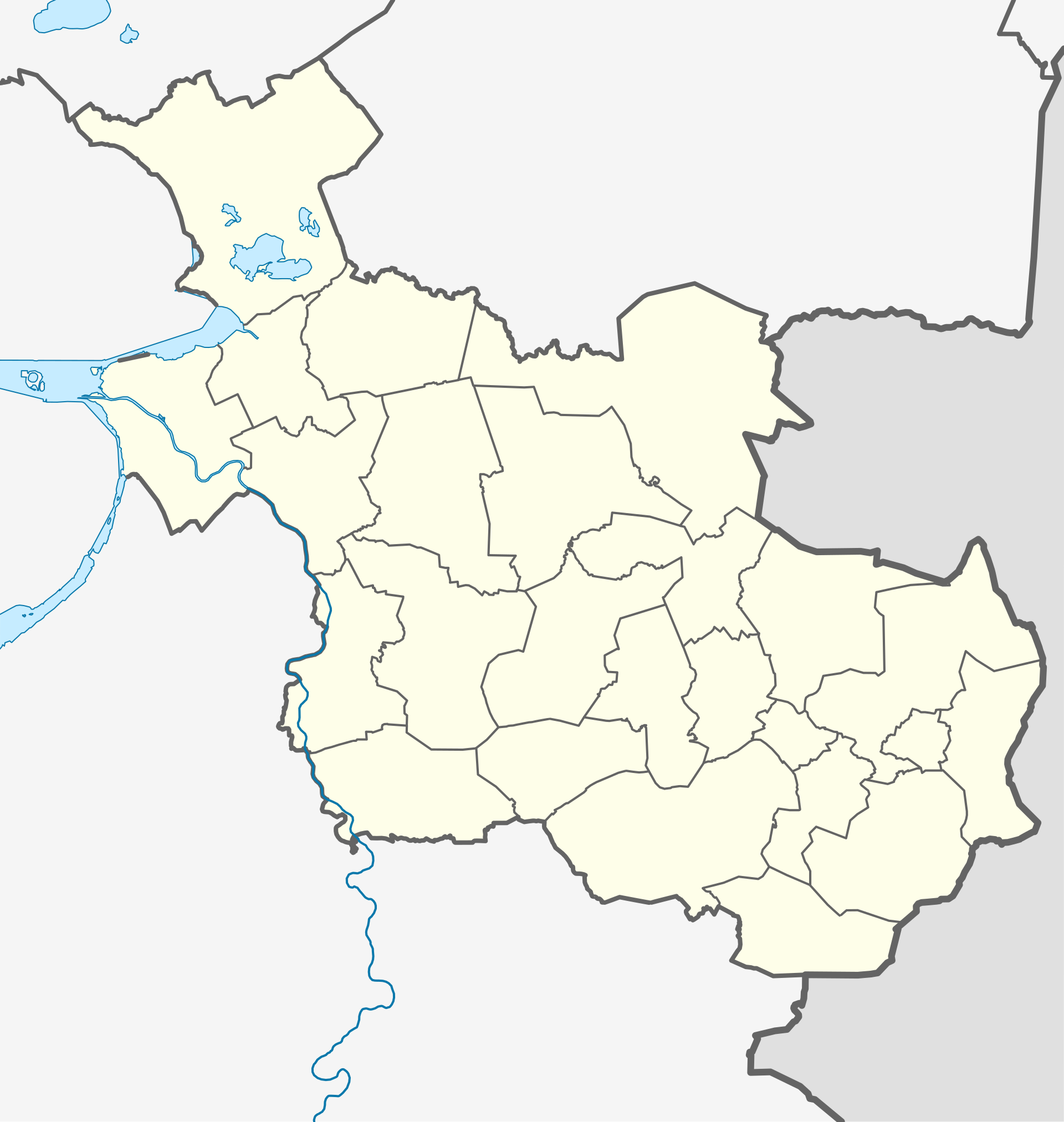
Overijssel sits between the flat western Netherlands and the German border. It has three distinct regions: Salland in the west, Twente in the east, and the IJssel towns in the north. Each shaped family names in its own way. Knowing your region helps you trace your roots more quickly.
Overijssel: Three Regions, Three Naming Traditions
Overijssel means “over the IJssel”. It sits east of the IJssel river. The province was part of the old duchy of Guelders and later the Hanseatic trading network. Cities like Zwolle, Deventer, and Kampen were powerful merchant towns. They drew traders, craftsmen, and farmers from across the region.
Twente, in the east, has strong Low Saxon roots. Its surnames often sound more German than Dutch. Salland, the central region, has a mix of Dutch and Saxon names. The western towns along the IJssel river gave rise to merchant and trade surnames. Each region left its mark on the names that families still carry today.
If your family came from Overijssel, they may have left for South Africa during the Boer Trek. Some went to Michigan, Iowa, or New Jersey in the United States. Others moved to Indonesia during the VOC era. Wherever they settled, they carried these names with them. You can trace your Dutch ancestry using records that survive in Zwolle and Deventer today.
The -ink Suffix: Twente’s Farm Family Names
Twente has the most distinctive surnames in Overijssel. Many end in -ink, -inck, or -ing. This suffix comes from Low Saxon. It marks an old farmstead or the family who lived there. A farm called “Rigter” became the Rigterink family. A farm in the west became Westerink. These names are hundreds of years old.
The -ink farms were often passed down for generations. They appear on maps from the 1300s. Families took the farm name as their own. When they moved away, they kept the name. This is why Twente names survive across the world.
🇳🇱 Enjoying this? Netherlands lovers get stories like this every week. Subscribe free →
Rigterink
Rigterink means “the judge’s farm”. It comes from the Low Saxon word for a local official or judge.
The name is from Twente in eastern Overijssel. Rigterink families worked on this named farmstead for centuries. Some Rigterink descendants settled in the American Midwest.
Westerink
Westerink means “western farm”. It uses the Low Saxon -ink ending for old farmsteads.
Westerink families lived in eastern Overijssel. Some moved south to North Brabant and later to Belgium.
Oosterink
Oosterink means “eastern farm”. It also uses the Saxon -ink suffix.
The name is mainly from Twente. Oosterink descendants live in Dutch-American communities in Iowa.
Assink
Assink means “farm near the ash trees”. It uses the same Low Saxon -ink ending.
Assink families lived in eastern Overijssel and Twente. The name still appears in the region today.
Kamphuis
Kamphuis means “field house”. It marked a home near an enclosed field or camp.
This name is common in Twente. Kamphuis descendants live in both the Netherlands and Germany.
Surnames from Zwolle and Salland
Zwolle was one of the great Hanseatic cities. It traded cloth, grain, and fish across northern Europe. Its merchants and craftsmen gave rise to occupational surnames. Many of these names spread far beyond the city walls.
Salland, between Zwolle and Twente, has a mix of Dutch and Saxon names. Its flat, fertile land attracted farmers for thousands of years. The names from this region reflect the landscape: fields, dykes, and streams.
Scholten
Scholten means “the village headman”. It comes from an old Low Saxon word for a local leader.
Scholten families lived across Twente and Salland. Many moved to South Africa and the United States.
Scholte
Scholte is an older form of Scholten. It also means “village headman” or local official.
Scholte families lived across Twente. Hendrik Scholte led a group of Dutch settlers to Iowa, USA, in 1847.
Koopman
Koopman means “merchant”. It named traders in the Hanseatic cities of Zwolle and Kampen.
This name spread across the Netherlands. Many Koopman families worked in the textile and grain trade.
Timmerman
Timmerman means “carpenter”. It named craftsmen who built homes, barns, and trade ships.
Timmerman families spread across all provinces. Many settled in Dutch-American towns in Michigan and New Jersey.
Roelofs
Roelofs means “son of Roelof”. Roelof comes from a Germanic name meaning “fame-wolf”.
Roelofs families lived in Zwolle and along the IJssel river. Some moved to South Africa.
Overbeek
Overbeek means “beyond the stream”. It named a farm on the far side of a brook or creek.
Overbeek families lived in the river areas of Salland. Some descendants live in South Africa today.
Hofman
Hofman means “farmyard man”. It named someone who managed a large farm or estate courtyard.
Hofman families lived in Salland and Twente. Some moved to South Africa as Boer settlers.
Surnames from the IJssel Towns
The towns along the IJssel river — Kampen, Deventer, and Hattem — were among the richest in the medieval Netherlands. Deventer was home to a famous Latin school that taught scholars across Europe. Thomas à Kempis studied here. Jewish communities also settled in these towns for centuries.
The surnames from this area reflect that mixed history. You find merchants, scholars, craftsmen, and Jewish families all leaving their names behind. The Giethoorn area, further north in what was once the Vollenhove region, also contributed family names tied to the peat bogs and waterways. You can explore this landscape today on a Giethoorn day trip from Amsterdam.
Kerkhof
Kerkhof means “churchyard”. It named families who lived near the church and its grounds.
Kerkhof families lived in small Overijssel towns. The name remains common in the eastern Netherlands.
Veldhuis
Veldhuis means “field house”. It named a farm that stood in open farmland.
Veldhuis families spread across Overijssel and Drenthe. Some emigrated to South Africa.
Veldman
Veldman means “field man”. It named someone who worked or lived on open farmland.
This name is found in Overijssel and Groningen. Some Veldman families moved to Australia in the 1900s.
Salomons
Salomons means “son of Solomon”. It comes from the Jewish community in Zwolle and Deventer.
Jewish families named Salomons lived in Overijssel for centuries. Many left during difficult times in the 1800s and 1900s.
Haarman
Haarman means “man of the Haar”. The Haar was a sandy ridge found across Overijssel and Drenthe.
Haarman families lived near these sandy ridges. The name is still found in the eastern Netherlands today.
Stegeman
Stegeman means “man of the footpath”. It described someone who lived near a walking path or bridge.
This surname is common in Twente. Some Stegeman families settled in Michigan and Iowa in the USA.
Nijhuis
Nijhuis means “new house”. Families used it when they built a new farmhouse.
The name spread across Overijssel and Gelderland. Some Nijhuis families moved to America in the 1800s.
Evenboer
Evenboer means “even farmer” or “flat land farmer”. It described farming on level ground.
Evenboer families lived in the flat parts of Overijssel. This is a rare but historically interesting name.
How Overijssel Families Spread Across the World
Many Overijssel families left during three main periods. The first was the Boer Trek of the 1830s and 1840s. Settlers from Twente and Salland moved to South Africa to farm the open land. Names like Scholten, Hofman, and Veldhuis appeared in the Transvaal and the Cape Colony.
The second wave went to America. Between 1840 and 1900, thousands of Dutch Reformed families crossed the Atlantic. Hendrik Scholte led a group from Overijssel to Pella, Iowa, in 1847. Other families settled in Grand Rapids, Michigan, and Paterson, New Jersey. They brought the church, the Dutch language, and their surnames with them.
The third wave went east. VOC records show families from Zwolle and Kampen working in Batavia (now Jakarta) and across the Dutch East Indies. Their descendants form the Indo-Dutch community today. Many returned to the Netherlands after Indonesian independence in 1945.
Compare this with other Dutch provinces — the surnames of Gelderland share some Saxon roots with Overijssel, while Frisian surnames followed a very different path west and south. The surnames of Limburg show the Catholic south’s distinct French and Latin influences.
Tracing Your Overijssel Roots
The main archive for Overijssel is the Historisch Centrum Overijssel (HCO) in Zwolle. It holds records from every municipality in the province. Civil registration began in 1811. Church records go back much further — some to the 1600s.
The Reformed Church (Hervormd) was the main church in Overijssel. Catholic communities existed in Twente near the German border. Jewish communities kept their own records in Zwolle and Deventer. All of these are now digitised.
Start your search at WieWasWie.nl. This free portal indexes millions of Dutch records. Search your surname and province. You will likely find births, marriages, and deaths going back to the early 1800s. For older records, visit the HCO directly or contact them by email.
The 5-day Dutch heritage itinerary covers how to visit ancestral towns across the Netherlands. Zwolle and Deventer are easy to reach by train from Amsterdam. Both cities have well-preserved historic centres. Walking the same streets your ancestors walked is a powerful experience.
If you want a full guide to researching your family before visiting, read how to plan a Dutch heritage trip to your ancestral town. It covers archives, genealogy societies, and how to find your family’s gemeente (municipality).
Frequently Asked Questions
What is the most common surname in Overijssel?
Scholten and De Jong are among the most common surnames in Overijssel. Scholten is especially tied to the Twente region. De Jong is common across all Dutch provinces. Both are found in large numbers in South African and Dutch-American communities.
What does the -ink ending mean in Dutch surnames?
The -ink ending comes from Low Saxon. It marks an old farmstead or the family who lived there. Surnames like Rigterink, Westerink, and Oosterink all name specific farms in the Twente region. These names are hundreds of years old and are mainly found in eastern Overijssel and neighbouring parts of Germany.
Did Overijssel families emigrate to South Africa?
Yes. Many families from Twente and Salland joined the Boer Trek in the 1830s and 1840s. Names like Scholten, Hofman, Veldhuis, and Overbeek appear in South African records from this period. The Boer community in the Transvaal and Orange Free State included a significant number of Overijssel families.
Where can I find records for Overijssel ancestors?
The Historisch Centrum Overijssel (HCO) in Zwolle is the main archive. It holds civil registration records from 1811 and church records going back to the 1600s. Many records are available online through WieWasWie.nl. For Jewish ancestors, the HCO also holds records from the Jewish communities in Zwolle and Deventer. Read our full guide on how to trace your Dutch ancestry for step-by-step help.
What cities should I visit to trace Overijssel heritage?
Zwolle is the first stop for most heritage visitors. It holds the main provincial archive. Deventer is worth visiting too — it has a beautiful medieval centre and its own city archive. Kampen, Enschede, and Almelo are also useful for specific family searches. All four cities are easy to reach by direct train from Amsterdam.
You Might Also Enjoy
- How to Trace Your Dutch Ancestry: A Step-by-Step Guide
- How to Plan a Dutch Heritage Trip to Your Ancestral Town
- Dutch Surnames of Gelderland: Origins and Meanings
Join Netherlands Lovers
Every week, discover the Netherlands beyond the tourist trail — hidden villages, local recipes, cycling routes, and travel insights you won’t find in any guidebook.
Subscribe free — enter your email:
Already subscribed? Explore our archives for more hidden Dutch gems.
Love more? Join 64,000 Ireland lovers → · Join 43,000 Scotland lovers → · Join 30,000 Italy lovers →
Free forever · One email per week · Unsubscribe anytime
Plan Your Netherlands Trip
Ready to walk the streets your ancestors knew? Our Start Here page has everything you need to plan your Dutch heritage journey. From Zwolle’s Hanseatic squares to Deventer’s medieval schoolyards, Overijssel is waiting.
Tours & experiences you might love


Powered by Viator. Some links are affiliate links — we may earn a small commission at no extra cost to you.