

Twente: The Netherlands’ Green and Gentle East
Country estates, Saxon farmhouses, and a quietly beautiful landscape quite unlike anywhere else in the country
An introduction to Twente
There is a corner of the Netherlands that most visitors never reach, and that is precisely its charm. Twente, the easternmost part of Overijssel province, pressed against the German border in a region of gently rolling hills, oak-canopied lanes, and hedgerow-threaded farmland, belongs to a different Netherlands entirely. The flat, windmill-dotted polders of the western coast feel impossibly remote here. In their place are the wooded parks of great private estates, the moss-green slopes of river valleys, and the singular landscape the Dutch call coulissenlandschap — the wing landscape — because its rows of hedgerows and shelterbelts create the impression of theatre wings receding into a green distance. Stand at any elevated point in eastern Twente and look across the fields: the effect of depth and intimacy at once is almost impossible to photograph adequately. You simply have to be there.
Twente’s towns are rewarding in a quiet, unshowy way. Enschede, the region’s largest city, carries the marks of the catastrophic fireworks explosion that destroyed an entire residential quarter in 2000 but retains the Rijksmuseum Twenthe, one of the finest regional art museums in the country. Oldenzaal guards one of the Netherlands’ most complete Romanesque basilicas. And Ootmarsum — a tiny village of cobbled lanes and half-timbered Saxon farmhouses — has drawn artists for over a century precisely because it feels genuinely untouched by any century later than the eighteenth.
Twente was once the second largest textile-producing region in Europe, its mills and factories a byword for industriousness. That era has passed, but it left behind a certain character: self-reliant, quietly proud, not given to advertisement of its own pleasures. Come here and you will not find the theatrical drama of the Dutch coast. What you will find instead is something more intimate and lasting — a landscape that asks only to be walked through slowly, and rewards every patient step.
In this email
This guide covers the essential pleasures of Twente, from its grandest country estate to its smallest artists’ lane. Here is what lies ahead:
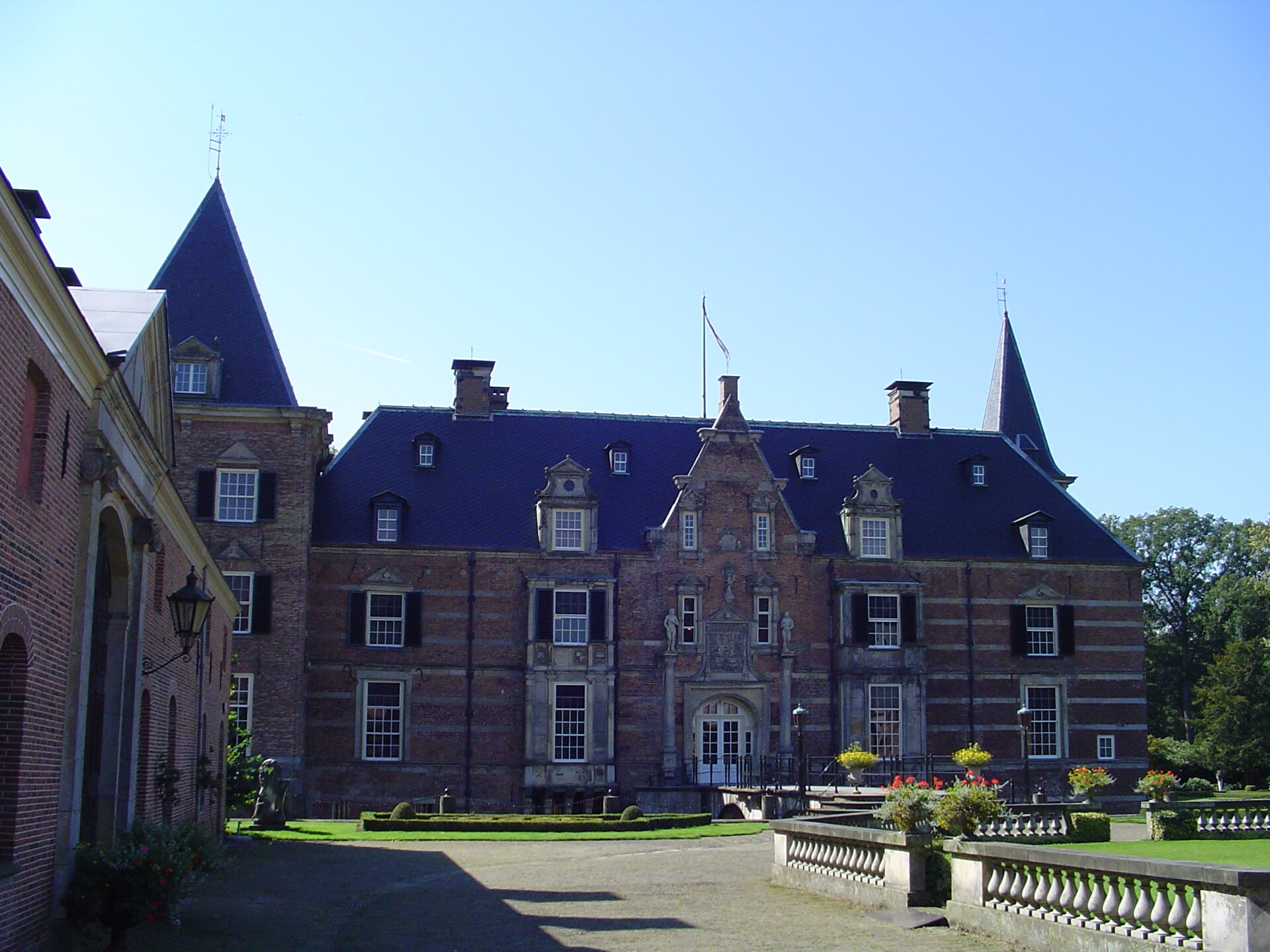
- The Country Estates — Landgoed Twickel near Delden, and Twente’s exceptional landgoederen
- Ootmarsum — the artists’ village with its Saxon farmhouses, open-air museum, and ancient Easter custom
- Enschede and the Rijksmuseum Twenthe — the city that rebuilt itself, and the museum that endures
- The Dinkel Valley and the Coulissenlandschap — the slow, green, meandering east
- Oldenzaal and St Plechelmus — a Romanesque basilica, Bentheim sandstone, and an Irish saint
- The Textile Story — the factories, the dynasties, and the remarkable legacy
Best time to visit: Late April to early June for blossom and bright new growth on the oak lanes; September and October for golden coulisse colours and the apple-and-pear harvest on the estates.
Travel logistics: Enschede is reached directly by train from Amsterdam Centraal in roughly two hours via Almelo; a bicycle or hire car is essential for exploring the Dinkel valley and the landgoederen.
Continue reading with a Premium subscription
This is a Love Netherlands Sunday Premium guide. Premium subscribers receive the full article in their inbox every Sunday and unlock the full archive of past editions.
Become a Premium subscriber →Tours & experiences you might love


Powered by Viator. Some links are affiliate links — we may earn a small commission at no extra cost to you.