Oct 05, 2026
|
Dutch Roots in America
Uncover your New Netherland heritage and plan a meaningful journey home to the Netherlands.
|
|
Love Netherlands
|
|
Dear Netherlands,
The first thing you notice when you arrive in the Netherlands is how much of it is water. The second thing is how comfortable the Dutch are with it. They cycle past canals, they eat herring leaning over the side of a railing, they build cities below sea level and make them look effortless. It’s the quiet confidence of a country that knows exactly what it is.
|
|
Was this forwarded to you? Subscribe free and never miss an edition →
|
|
If the daily newsletter brings you closer to the Netherlands, our Sunday Premium Edition takes you deeper into it. Every Sunday you’ll receive travel deep dives, curated itineraries, regional stories, and hidden gems you won’t find anywhere else.
Upgrade for less than the price of a pint and see the Netherlands in a completely new way.
|
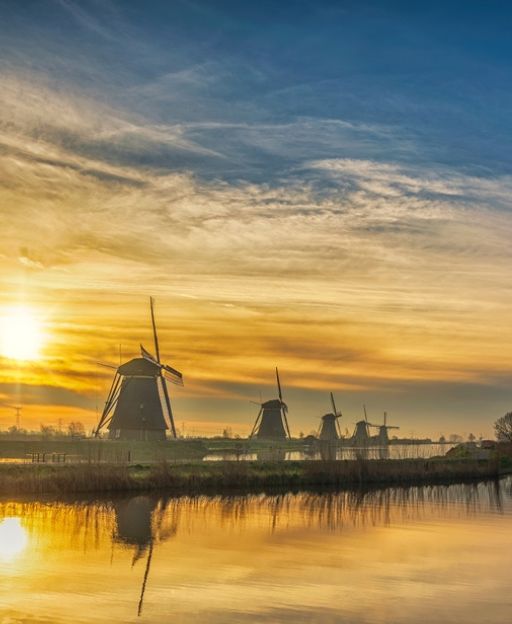
Photo via Love Netherlands
|
In today’s email:
- Discover Your New Netherland Roots: Tracing Dutch Heritage in New York and New Jersey
- At The Café — Café De Doffer — Amsterdam’s All-Day Neighbourhood Bar
- Around The Web — Rotterdam Netherlands: Complete Guide to Things to Do and See, Dutch Healthcare for American Retirees: Everything You Need to Know (2026), The Dutch-American Homecoming: From New York to Old Holland + more
- From Love Netherlands — The Love Netherlands Guide № 007: Dutch Beer & Brewing
- Dutch Food You Will Love — Oliebollen — The Dutch Doughnut of New Year’s Eve
|
Discover Your New Netherland Roots: Tracing Dutch Heritage in New York and New Jersey
👉 Read the full story
If you carry a Van, De, or Vander in your surname, your family may have walked the streets of New Amsterdam before it became New York. The Dutch colony of New Netherland stretched from modern-day Connecticut to Delaware. It shaped America long before independence. Two American presidents trace their roots here. So do the Vanderbilts, the Roosevelts, and millions of ordinary Dutch families who simply never went back. This guide shows you how to find them. The Dutch Who Built New Amsterdam The Dutch West India Company established New Netherland in 1624. Settlers came from Holland, Zeeland, Utrecht, and Friesland. They built Fort Orange where Albany stands today. They farmed the Hudson Valley. They traded furs with the Lenape. New Amsterdam, at the southern tip of Manhattan, became the colony’s commercial heart. Peter Stuyvesant arrived as governor in 1647. He expanded the city and ruled…
👉 Read the full story
Have you been there? Do you have a memory of this corner of the Netherlands? Hit reply and tell us — we’d love to hear your story.
|
|
“Want deep dives into the Netherlands every Sunday? Our Premium readers already have their next edition waiting.”
|
At The Café
Café De Doffer — Amsterdam’s All-Day Neighbourhood Bar
Café De Doffer on the Runstraat in the Nine Streets has been a daily-life café since 1900. It’s open from morning coffee through to late-night last-call, and you’ll see the same faces drift through every part of the day — students in the morning, freelancers at lunch, locals after work, regulars after midnight. The kitchen does a small menu of well-cooked Dutch comfort food, the wine list is short and good, and the back room has a pool table that has been there since the seventies. It’s the closest thing the Nine Streets has to a living room.
👉 Visit the café
|
Around The Web
|
From Love Netherlands
When a Dutch bartender pulls your lager, scrapes the foam flat with a little spatula and hands it over with two fingers of white head still on top, that is not sloppiness — it is the house style, and arguing about it is practically a national pastime. The Netherlands sells pale pilsner around the world, yet behind the big green bottles sits a Trappist abbey brewing under papal-era rules, a brewery working inside a 400-year-old windmill, and a…
👉 Read the full story
|
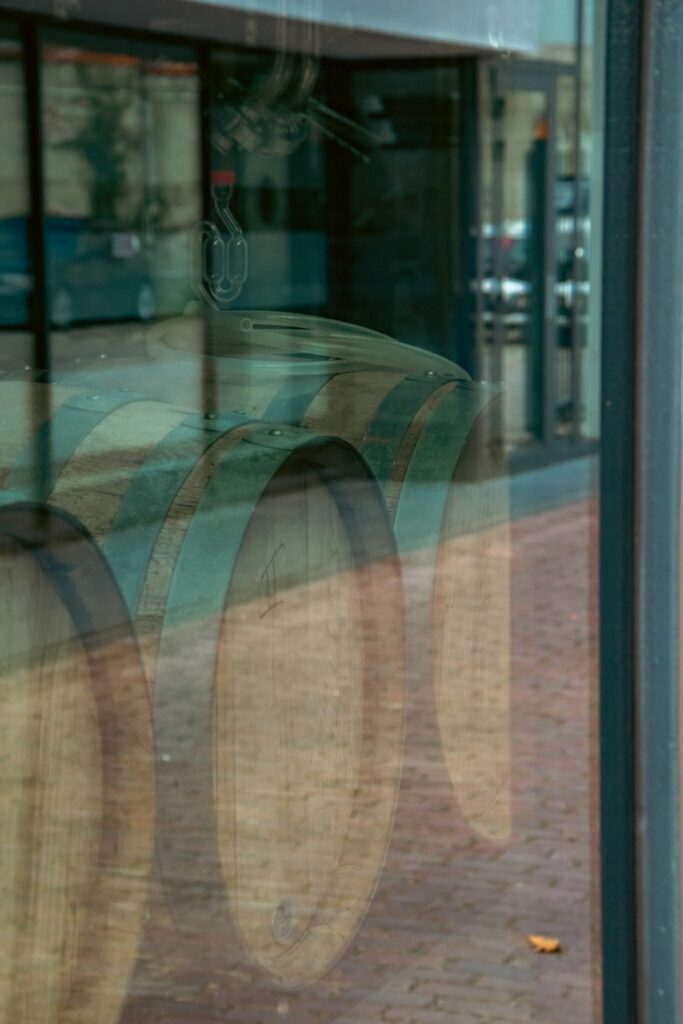
Photo by Dave Visser on Unsplash
|
Dutch Food You Will Love
Oliebollen — The Dutch Doughnut of New Year’s Eve
Oliebollen are round Dutch doughnuts, usually with raisins or currants tucked inside, deep-fried until the outside is crisp and the inside is light and yeasty, then dredged in icing sugar. Every Dutch town has at least one oliebollenkraam — a temporary stall — that appears in late December and disappears on 1 January. They’re the food of New Year’s Eve. The annual AD newspaper test of the country’s best stalls is a national event in itself, and Dutch families will drive an hour to buy a bag of warm oliebollen from whichever vendor wins.
👉 Read the full story
|
|
Know Someone Who Loves the Netherlands?
If you’re enjoying this letter, the best thing you could do is forward it to one friend who’d love the Netherlands too. This newsletter grows by word of mouth alone — every single subscriber came from someone sending it to someone else. Thank you for being one of the first.
|
|
Our daily newsletter is free and always will be. But for less than the price of a pint, you can upgrade to our Sunday Premium Edition, which gives you access to our travel deep dives, curated itineraries, and regional stories. Consider buying us a stroopwafel — it’s the Dutch way to say thank you.
|
Also From Our Family
Love Ireland too? Over 64,000 readers wake up each morning to the Love Ireland newsletter — loveireland.substack.com
Or Scotland? Join 43,000 Scotland lovers — lovescotland.substack.com
|
|
Ever thought about actually moving to the Netherlands? Watch this →
|
|
You’re reading Love Netherlands — a free letter about canal towns, hidden villages, and Dutch stories, delivered Monday to Friday.
inlovewithnetherlands.com ·
Unsubscribe
© 2026 Love Netherlands · Part of the Love To Visit LLC family
|