

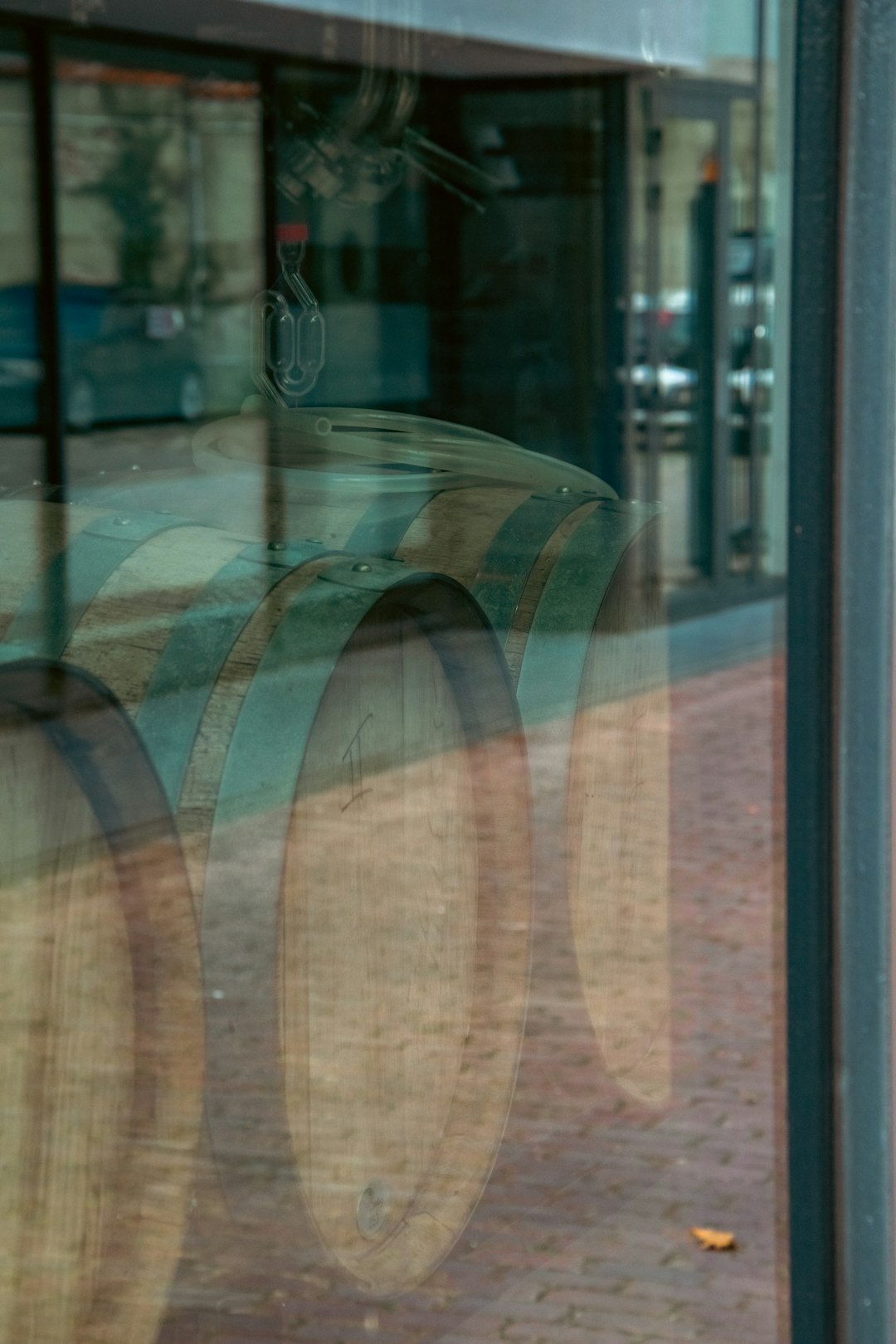
When a Dutch bartender pulls your lager, scrapes the foam flat with a little spatula and hands it over with two fingers of white head still on top, that is not sloppiness — it is the house style, and arguing about it is practically a national pastime. The Netherlands sells pale pilsner around the world, yet behind the big green bottles sits a Trappist abbey brewing under papal-era rules, a brewery working inside a 400-year-old windmill, and a craft scene packed into converted churches. This is Guide № 007 in The Love Netherlands Guide series.
Get the Full Collectible Guide (Free PDF)
Dutch Beer & Brewing — in a beautifully designed, printable booklet. The Love Netherlands Guide № 007.
From Abbey Cellars to Global Lager
Brewing in the Low Countries goes back to the medieval period, when monasteries and town breweries made beer that was safer to drink than untreated water. The modern Dutch industry, though, is defined by the 19th century: Heineken was founded in Amsterdam in 1864 by Gerard Adriaan Heineken, who bought an existing brewery called De Hooiberg (“the haystack”), and Amstel followed in 1870. Heineken’s switch to bottom-fermenting lager yeast and, later, its patented “A-yeast” turned a local product into one of the most widely exported beers on earth.
The southern province of Limburg remains the country’s brewing heartland. Brand in Wijlre is commonly described as the oldest brewery in the Netherlands, with roots traced back centuries, while neighbours such as Gulpener, Alfa and Hertog Jan built reputations on local spring water and regional pride long before “craft” became a marketing word.
Why Pilsner Rules the Taps
Order “een biertje” in an ordinary Dutch café and you will almost always get a pale, pale-gold pilsner around 5% alcohol, served cold in a small glass. Pilsner — a crisp, bottom-fermented lager style that originated in Pilsen in Bohemia — came to dominate Dutch drinking in the 20th century, and brands like Heineken, Amstel, Grolsch and Bavaria are essentially variations on it. Grolsch, from the east of the country, is also known for its distinctive beugel bottle with a ceramic swing-top stopper.
The famous small glass has a practical logic: a modest pour means the beer stays cold and fresh from first sip to last, and refills come often. That is why a Dutch pilsner is typically served in a 25cl (or smaller) glass rather than a British-style pint.
The Trappist and Abbey Tradition
Trappist beer is often assumed to be Belgian, but the Netherlands has a share of it. La Trappe, brewed at the Koningshoeven Abbey near Tilburg, is the best-known Dutch Trappist brewery, and the smaller Zundert brewery at the Maria Toevlucht Abbey in North Brabant also carries the designation. Crucially, “Trappist” is not a flavour or a style — it is a protected certification administered by the International Trappist Association, awarded only when beer is brewed within a monastery’s walls, under the monks’ supervision, with profits directed to the community and charitable causes.
Separate from true Trappist beers are “abbey” beers — commercially brewed products licensed to use an abbey name or recipe style. They can be excellent, but they are not made by a monastic community, and the distinction matters to anyone collecting the real thing.
A Craft Revival in Churches and Windmills
Since around 2010 the Netherlands has seen a wave of independent breweries that push well beyond pilsner into IPAs, sours, barrel-aged stouts and wild-fermented beers. In Amsterdam, Brouwerij ‘t IJ brews beside the De Gooyer windmill in the east of the city, while Oedipus and Two Chefs Brewing helped define the city’s experimental scene.
In Haarlem, Jopen brews inside the Jopenkerk, a deconsecrated church turned brewery and café, reviving historic Haarlem recipes in the process. For drinkers who want to browse the full range in one place, specialist shops such as De Bierkoning in Amsterdam stock hundreds of Dutch and Belgian labels, and the consumer organisation PINT champions beer diversity and runs tasting events across the country.
How the Dutch Pour — and the Bok Season
The Dutch pour has its own ritual: the glass is filled, the foam is struck flat with a spatula (afstrijken), and a tidy collar of head is left on purpose. The foam is not a trick to short the pour — it protects the beer’s aroma and carbonation, and a glass with no head at all is considered the real fault.
Autumn brings bokbier (bock), a darker, maltier, stronger seasonal beer traditionally released around September and October. PINT has long run a bock beer festival in Amsterdam where dozens of breweries show their autumn brews, and most Dutch breweries put out at least one bok each year — a reliable signal that the seasons have turned.
Myths Worth Retiring
Myth: All Dutch beer is mass-market pilsner. Pilsner dominates everyday drinking, but the country also has Trappist breweries, a Limburg brewing tradition centuries old, and a large independent craft scene making everything from sours to barrel-aged stouts.
Myth: The foam head means you were short-poured. The head is intentional and scraped flat on purpose; it preserves aroma and carbonation. In Dutch serving culture, a flat, headless beer is the mistake.
Myth: “Trappist” and “abbey” beers are the same thing. Trappist is a protected certification requiring brewing within a working monastery under the monks’ control, with proceeds going to good causes. Abbey beers merely license a name or style and are made commercially.
Frequently Asked Questions
Is Dutch beer really all just pilsner?
No. Pilsner is what you will get by default in most cafés, but the Netherlands also produces Trappist beers at La Trappe and Zundert, regional specialities in Limburg, and a wide range of craft styles from breweries like Brouwerij ‘t IJ, Oedipus and Jopen.
What is bokbier?
Bokbier (bock) is a stronger, darker, maltier seasonal beer most associated with autumn. Breweries release their versions around September and October, and tasting events such as PINT’s bock festival in Amsterdam showcase many of them side by side.
Can visitors tour Dutch breweries?
Yes. The Heineken Experience in Amsterdam is a ticketed visitor attraction on the brand’s original brewery site, and many working breweries — including Brouwerij ‘t IJ and Jopen — have taprooms or cafés open to the public. Check each brewery’s own website for current tour and opening details before you go.
More The Love Netherlands Guides
The Love Netherlands Guide is a numbered series — one tightly focused subject at a time, each with its own downloadable collectible edition. Guide № 001 is Stroopwafel, Guide № 002 is King’s Day (Koningsdag), Guide № 003 is Delft Blue Pottery, Guide № 004 is Dutch Jenever, Guide № 005 is Dutch Cycling Culture, Guide № 006 is Gezelligheid, This is Guide № 007. More editions are on the way.
🇳🇱 Join Love Netherlands
Every week, get hidden stories, local secrets, and travel inspiration from people who live and love it.
Tours & experiences you might love


Powered by Viator. Some links are affiliate links — we may earn a small commission at no extra cost to you.