Apr 22, 2026
|
How the Dutch Turned Catastrophe Into the World’s Greatest Sea Defence
In 1953, the North Sea killed 1,836 Dutch people in a single night. What the Netherlands built in response changed engineering forever
|
|
Love Netherlands
|
|
Dear Netherlands,
Amsterdam in April has a particular kind of quiet. The tulips are out in the park. The café terraces are full by ten. Somewhere in the Jordaan a church bell is telling the hour, and a barge is gliding past, and a child is learning to cycle without training wheels. This is the version of the Netherlands you came for.
|
|
If the daily newsletter brings you closer to the Netherlands, our Sunday Premium Edition takes you deeper into it. Every Sunday you’ll receive travel deep dives, curated itineraries, regional stories, and hidden gems you won’t find anywhere else.
Upgrade for less than the price of a pint and see the Netherlands in a completely new way.
|
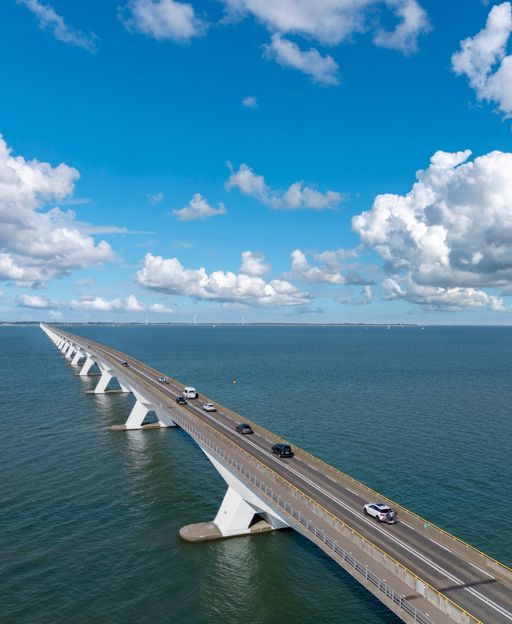
Image: Shutterstock
|
In today’s email:
- How the Dutch Turned Catastrophe Into the World’s Greatest Sea Defence
- At The Café — Café Olivier — The Church That Became Utrecht’s Favourite Bar
- Around The Web — The Dutch Word That Explains Why the Netherlands Feels Different to Everywhere Else and more
- From Love Netherlands — Why Amsterdam’s Most Fought-Over Neighbourhood Was Built for the Poor
- Dutch Food You Will Love — Bitterballen — The Small, Dangerous Joy of the Dutch Evening
|
How the Dutch Turned Catastrophe Into the World’s Greatest Sea Defence
👉 Read the full story
On the night of 31 January 1953, the sea broke through. A fierce storm drove the North Sea inland across Zeeland, South Holland, and North Brabant. When morning came, 1,836 people were dead. Entire villages sat under metres of freezing brown water. The Dutch called it the Watersnoodramp — the water emergency disaster. It is the single worst peacetime catastrophe in modern Dutch history. And it changed everything about how the Netherlands relates to the sea.
A Country That Has Always Fought the Water The Netherlands has reclaimed land from the sea for centuries. Roughly a third of the country sits below sea level. The Dutch built dykes, drained polders, and pushed the water back generation by generation. But the system they relied on in 1953 was old. Wartime neglect had weakened many dykes. When the storm hit on a Saturday night — during a spring tide, with winds driving hard from the…
👉 Read the full story
Have you been there? Do you have a memory of this corner of the Netherlands? Hit reply and tell us — we’d love to hear your story.
|
|
“Want deep dives into the Netherlands every Sunday? Our Premium readers already have their next edition waiting.”
|
At The Café
Café Olivier — The Church That Became Utrecht’s Favourite Bar
Café Olivier in Utrecht is a working Belgian bar inside a deconsecrated 19th-century church. The pulpit is still there. The stained glass is still there. The pews have been replaced with long wooden tables where students, workers, and retired professors all somehow end up sharing a Trappist beer. It’s the kind of place that makes you understand why the Dutch are so comfortable with the quiet strangeness of their country — nothing here is trying to impress you, but everything is worth looking at twice.
👉 Visit the café
|
Around The Web
|
From Love Netherlands
Walk ten minutes west of Amsterdam’s main canals and the city changes. The streets narrow. The canal houses feel lower. The tourists thin out. And somewhere between the bicycle bells and the smell of fresh coffee, you start to understand what Amsterdammers mean when they say a place has ziel — soul. This is the Jordaan. And it is, by most measures, the neighbourhood the Dutch love best in their own country. A Quarter Built on the Wrong Side of…
👉 Read the full story
|
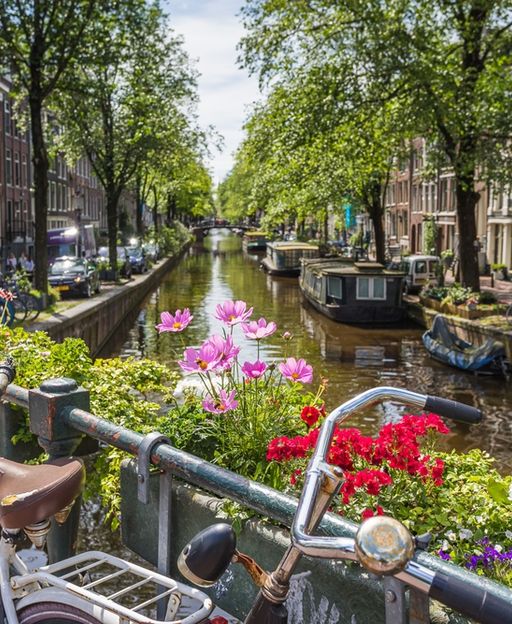
Image: Shutterstock
|
Dutch Food You Will Love
Bitterballen — The Small, Dangerous Joy of the Dutch Evening
A bitterbal is a small, crumb-coated sphere of slow-cooked beef ragout, deep-fried until crisp and served burning hot with a dish of sharp Dutch mustard. Walk into any brown café on a weekday evening and you’ll see them on half the tables. The rules are: wait two minutes so you don’t burn your mouth, bite off the top to let the steam escape, dip in mustard, eat in two bites, and order another round. Their name has nothing to do with being bitter — it’s from the old Dutch word bittertje, an aperitif served at pre-dinner hour. The name stuck long after jenever stopped being the drink of choice.
👉 Read the full story
|
|
Know Someone Who Loves the Netherlands?
If you’re enjoying this letter, the best thing you could do is forward it to one friend who’d love the Netherlands too. This newsletter grows by word of mouth alone — every single subscriber came from someone sending it to someone else. Thank you for being one of the first.
|
|
Our daily newsletter is free and always will be. But for less than the price of a pint, you can upgrade to our Sunday Premium Edition, which gives you access to our travel deep dives, curated itineraries, and regional stories. Consider buying us a stroopwafel — it’s the Dutch way to say thank you.
|
Also From Our Family
Love Ireland too? Over 65,000 readers wake up each morning to the Love Ireland newsletter — loveireland.substack.com
Or Scotland? Join 43,000 Scotland lovers — lovescotland.substack.com
|
|
You’re reading Love Netherlands — a free letter about canal towns, hidden villages, and Dutch stories, delivered Monday to Friday.
inlovewithnetherlands.com ·
Unsubscribe
© 2026 Love Netherlands · Part of the Love To Visit LLC family
|
|