

Most people skip Drenthe. They fly into Amsterdam and head straight to the canals. But if you carry Dutch blood, this quiet northeastern province may be where your family story truly begins.
Drenthe holds the Netherlands’ oldest monuments. It built a farming culture that lasted centuries. And when times turned hard in the 19th century, it sent thousands of families to South Africa, America, and Canada. Tracing your Drenthe ancestry takes you deeper into Dutch history than almost any other province can.
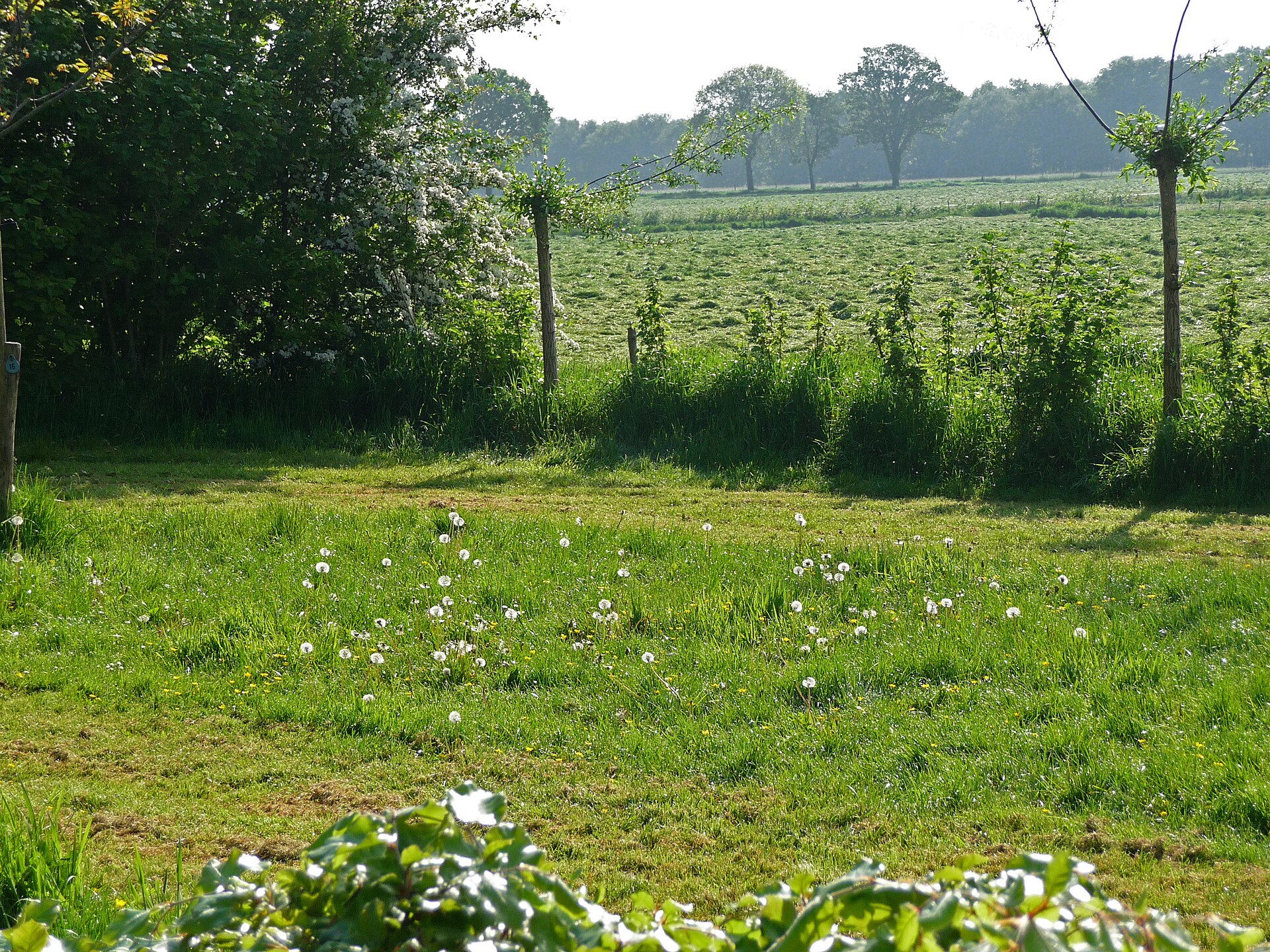
This guide shows you how to find your roots — from the village your ancestors left to the archives that hold their names today.
The Oldest Province in the Netherlands
Drenthe sits in the northeast of the Netherlands, bordered by Groningen to the north and Germany to the east. For five thousand years, people have lived on this land.
The hunebedden prove it. These prehistoric megalithic tombs stand across the Drenthe landscape. Farmers built them around 3,000 BCE using enormous boulders dragged from the German plain. Fifty-four of the Netherlands’ fifty-five hunebedden stand in Drenthe.
Your ancestors walked past these stones every day of their lives. That is how old this province is.
Drenthe developed differently from the western provinces. Old Saxon culture took root here. The local dialect — Drents — sounds nothing like standard Dutch. It carries echoes of Low German and Old Saxon. The traditional Saxon farmhouse, called the hallehuisboerderij, housed families, cattle, and crops under one long roof. Villages built around a central green called a brink, where markets and meetings took place.
This rural, communal culture shaped the people who eventually left. When Drenthe emigrants reached South Africa or America, they brought these patterns with them.
Why So Many Drenthe Families Emigrated
For much of Dutch history, Drenthe stayed poor. The soil was thin and sandy. The peat bogs were hard to farm. Markets and roads were distant. Farmers scraped a living from land that gave back little.
The agricultural crisis of the 1840s broke many families. Potato blight destroyed harvests across Europe. In Drenthe, younger sons had no land to inherit and no work to find. A decision had to be made.
Reformed Church networks pointed the way. Dutch clergy already settled in Michigan and Iowa wrote letters back to Drenthe villages. They described good farmland at low prices. Within a decade, entire communities packed up and followed.
Earlier migrations took a different path. The Dutch East India Company (VOC) recruited heavily from rural provinces. Drenthe men signed up for service at the Cape of Good Hope and in the Dutch East Indies. Many never returned. Their descendants became Afrikaners and Indo-Dutch.
Drenthe Diaspora Communities Around the World
The United States — Michigan and Iowa
A town called Drenthe exists in western Michigan today. Dutch settlers from Drenthe province founded it in the 1840s. They named it after home. Their neighbours founded Holland, Zeeland, and Overisel nearby — a map of the Netherlands transplanted to American soil.
Dutch Reformed Church congregations in Michigan and Iowa trace their origins to specific Drenthe villages. Church records often name the Dutch town the founding families came from. If your family belonged to a Reformed Church in these states, the church archives will tell you exactly where in Drenthe they started. Read more in The Dutch-American Homecoming: From New York to Old Holland.
South Africa — The Boer Connection
Drenthe contributed to the early Boer population of the Cape Colony. VOC records show Drenthe men sailing south from the 17th century. Many settled at the Cape and married locally. Their descendants became part of the Afrikaner people.
If your South African family carries surnames like Knol, Huizing, or Strating, Drenthe is a likely origin point. Cross-reference Boer ancestry through the Dutch VOC archives with Drenthe church records to find the connection.
Canada — The Post-War Wave
After 1945, the Dutch government actively encouraged emigration. Canada received the largest share. Alberta and Ontario attracted Dutch farmers seeking fresh starts on new land. Drenthe families joined this wave. Many settled in rural communities that still hold Dutch Reformed services today.
🇳🇱 Enjoying this? Netherlands lovers get stories like this every week. Subscribe free →
Common Surnames from Drenthe
Drenthe produced a recognisable cluster of family names. They spread through the diaspora to South Africa, America, Canada, and Australia. For a deeper look at their origins and meanings, visit the full guide to Dutch surnames of Drenthe.
- Knol — an Old Dutch word for a root vegetable. Common in eastern Drenthe.
- Huizing — means “from the house”. Widespread in Drenthe and Groningen.
- Strating — a place name meaning “from the road”.
- Homan — derived from “hoeve” (farmstead) and “man”. A farming family name.
- Laning — refers to a lane or country track. Common in the Drenthe countryside.
- Wubs — a Frisian-influenced name found in northern Drenthe near the Groningen border.
- Schuring — means “from the barn”. Points to farming ancestry.
- Popping — a patronymic from the given name Poppe, common in Old Saxon regions.
Search these names on WieWasWie.nl to find Drenthe birth and marriage records.
Finding Your Drenthe Ancestry in the Records
Civil Registration from 1811
France occupied the Netherlands between 1810 and 1813. French law required every municipality to keep official birth, marriage, and death registers. These civil records — the Burgerlijke Stand — started in 1811 and continued without break.
The Drents Archief in Assen holds Drenthe civil records. You can search many of them online via WieWasWie.nl. Enter your surname and select Drenthe as the province. Results load instantly for free.
Church Records Before 1811
Before civil registration, Dutch Reformed churches kept the main records. Drenthe was strongly Protestant. The Dutch Reformed Church maintained registers in most villages from the 17th century. These records cover baptisms, marriages, and burials.
Catholic communities in Drenthe were small, mainly in the south near the North Brabant border. Catholic records were kept less consistently before 1811. For a full guide to Dutch record sources, visit How to Trace Your Dutch Ancestry.
VOC Records
The Dutch East India Company recruited across rural provinces. If your ancestor left for South Africa or the Dutch East Indies before 1800, search the VOC records at the Nationaal Archief in The Hague. These records name the employee, their home province, their age, and their departure date.
The VOC Trail guide explains how to use these archives step by step, including which databases are free and how to read the old Dutch handwriting.
Key Archives for Drenthe Ancestry Research
Drents Archief, Assen
The provincial archive holds church registers, notarial records, land registry documents, and civil registration for all of Drenthe. Staff speak English. They welcome heritage visitors from abroad. Book an appointment before you arrive — the archive is at Brink 4, Assen.
WieWasWie.nl
This free online database covers Dutch civil and church records. Search by surname for Drenthe results. The platform works well for 1811 to 1950. It also holds many pre-1811 church records.
Delpher.nl
Delpher hosts digitised Dutch newspapers, books, and magazines. Old Drenthe newspapers survive here. Search for family names and find local news that puts your ancestors in context.
CBG — Centrum voor Familiegeschiedenis
The Dutch genealogy centre in The Hague holds national collections and offers research assistance. Their English-language guides explain the Dutch record system clearly and help you understand what survives and where.
Planning Your Drenthe Heritage Trip
Drenthe rewards a slow visit. Allow two to three days to combine archive research with heritage sites. Our Dutch heritage trip planning guide covers all the practical steps from booking archives to finding ancestral villages.
Start in Assen
Assen is the provincial capital. The Drents Archief sits near the old brink in the town centre. Book your research appointment in advance. Bring all the family information you have — names, dates, and approximate villages help researchers find the right records faster.
Visit Orvelte
This preserved 19th-century village shows exactly how Drenthe farmers lived. Saxon farmhouses face a central brink. Working craftspeople demonstrate traditional skills. Your ancestors likely lived in conditions much like these. Walk slowly through Orvelte and you will feel the rhythm of the world they knew.
See the Hunebedden
The Hunebedden Centrum in Borger explains these ancient megalithic tombs in detail. Drive the Hunebedden route between Emmen and Groningen to see them in the open landscape. These monuments have stood here for five thousand years. Your ancestors walked past them every week of their lives.
Walk the Peat Landscape
Vincent van Gogh spent several months in Drenthe in 1883. He painted peat cutters and the flat, open landscape with genuine feeling. The same peat bogs survive today in the Bargerveen nature reserve and around Dwingeloo. Walking here connects you to the world your ancestors farmed and eventually left behind.
For a broader roots journey across multiple Dutch provinces, the 5-Day Dutch Heritage Itinerary builds a complete roots travel plan.
FAQ: Tracing Your Drenthe Heritage
Where do I start researching Drenthe ancestry?
Begin with WieWasWie.nl. Enter your family surname and select Drenthe as the province. Civil records from 1811 and many church records appear free of charge. For earlier records or specific village research, contact the Drents Archief in Assen.
Which surnames are most common in Drenthe?
Common Drenthe surnames include Knol, Huizing, Strating, Homan, Laning, Wubs, Schuring, and Popping. If your family carries any of these names, Drenthe is a strong starting point for your research.
Did Drenthe families emigrate to South Africa?
Yes. The VOC recruited Drenthe men from the 17th century onwards. Many settled at the Cape Colony and became part of the Afrikaner community. Cross-reference VOC records at the Nationaal Archief in The Hague with Drenthe church records to trace this connection.
How do I visit the Drents Archief?
The archive stands at Brink 4 in Assen. It opens Monday to Saturday. Book an appointment through their website before visiting. Staff speak English. Bring all the family information you have — even partial names and approximate dates help.
Why did Drenthe families emigrate to Michigan in the 19th century?
Poor soil quality, the potato crisis of the 1840s, and limited farmland drove many Drenthe families to look for better land abroad. Dutch Reformed Church networks in Michigan sent encouraging letters back to Drenthe. Entire villages followed. Dutch place names across western Michigan — including a town called Drenthe — mark where these families settled.
You Might Also Enjoy
Explore more Dutch heritage guides:
- How to Trace Your Dutch Ancestry — Step-by-Step Guide
- The VOC Trail: Following Your Dutch Ancestors to the East
- 5-Day Dutch Heritage Itinerary: Trace Your Roots Across the Netherlands
Join Netherlands Lovers
Every week, discover the Netherlands beyond the tourist trail — hidden villages, local recipes, cycling routes, and travel insights you won’t find in any guidebook.
Subscribe free — enter your email:
Already subscribed? Explore our archives for more hidden Dutch gems.
Love more? Join 64,000 Ireland lovers → · Join 43,000 Scotland lovers → · Join 30,000 Italy lovers →
Free forever · One email per week · Unsubscribe anytime
Plan Your Netherlands Trip
Ready to trace your Dutch roots in person? Our Start Here guide gives you a complete overview of planning your Netherlands trip, from heritage archives to the best places to stay near your ancestral village.
Tours & experiences you might love


Powered by Viator. Some links are affiliate links — we may earn a small commission at no extra cost to you.