
Your family left Zeeland long ago. But Zeeland has not forgotten them.
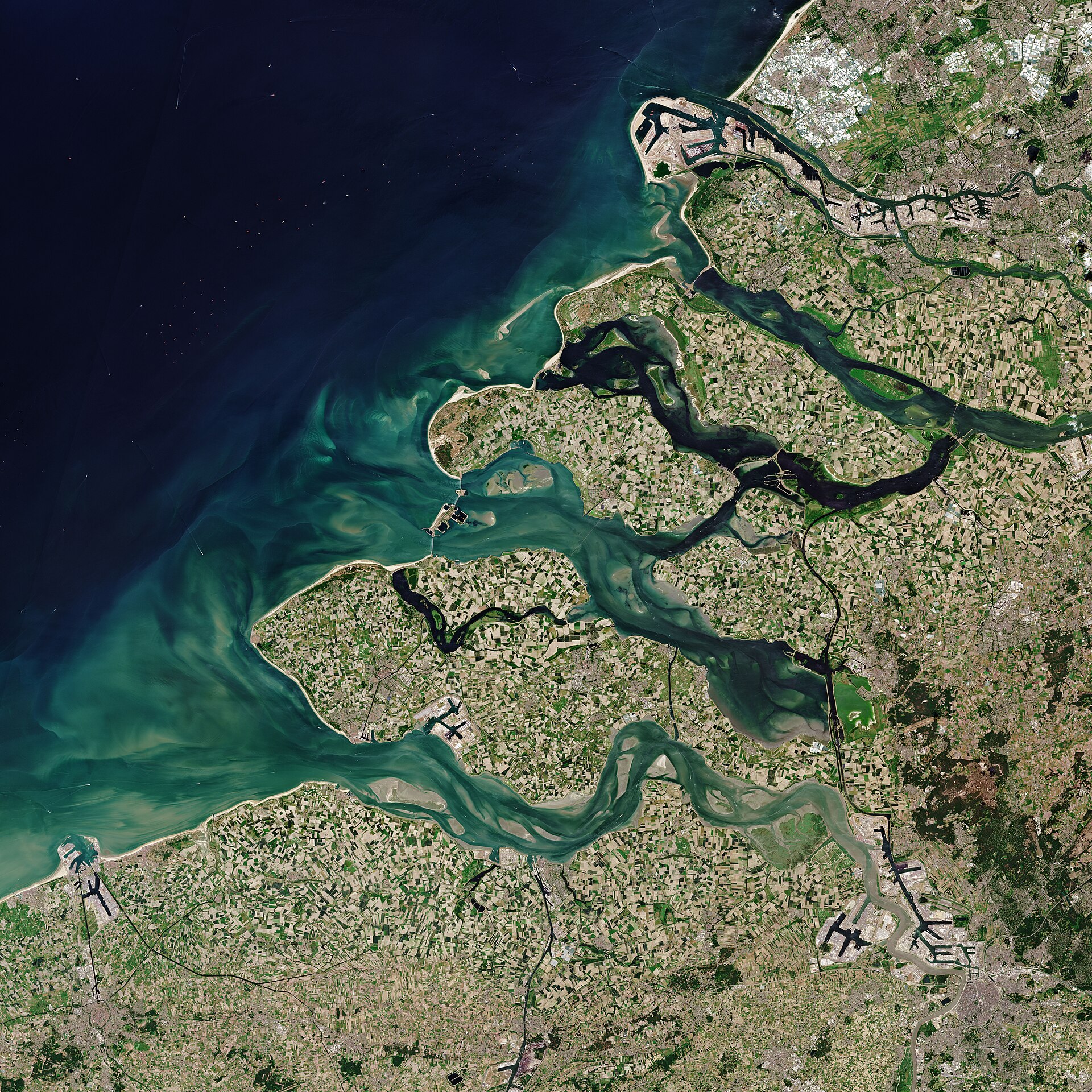
This province sits where three great rivers meet the sea. The Rhine, the Maas, and the Scheldt all empty here. Zeeland stretches across a series of islands and peninsulas in the south-west of the Netherlands. The sea has shaped everything. The land, the culture, and the people.
For generations, Zeelanders sailed away. Some went to South Africa. Others built homes in New York. Thousands settled in Michigan and Ontario. Their descendants now live across six continents.
If your family carries a Dutch surname, there is a chance they came from here. This article explains who has Zeeland roots, where the diaspora settled, and how to trace your own family history in the Zeeland archives.
Who Has Zeeland Roots?
More people than you might expect.
Zeeland was one of the most active provinces in the Dutch Golden Age. Its ports sent ships around the world. Its merchants built some of the largest trading companies in history. When those sailors and merchants settled far from home, they took Zeeland with them.
Afrikaners and South Africans
Many of the first European settlers at the Cape of Good Hope came from Zeeland. The Dutch East India Company (VOC) had a full chamber based in Middelburg, Zeeland’s capital. Ships sailed regularly from Vlissingen to the Cape.
Afrikaner families with Zeeland roots include the Bassonnen, the Sinkens, and many with names like Vermaat or Poppe. If your South African family traces Dutch ancestors from before 1800, Zeeland is worth searching.
For more on tracing Boer and Afrikaner ancestry through VOC records, read our guide to The VOC Trail: Following Your Dutch Ancestors to the East.
Dutch-Americans
In 1847, a group of Dutch Reformed settlers left Zeeland and sailed to Michigan. They named their new town Zeeland. It still exists today. The city of Zeeland, Michigan has a population of around 5,500 and a strong Dutch character.
Hundreds of Dutch families in Michigan, Iowa, and Illinois trace their ancestry to this province. Earlier still, Zeelanders helped found New Amsterdam. The New York neighbourhood of Flushing takes its name from Vlissingen, a major port in Zeeland.
Dutch-Canadians
After World War Two, many Zeeland families emigrated to Canada. The Netherlands was heavily damaged by the war. Food shortages and unemployment pushed many to seek a fresh start. Ontario, British Columbia, and Alberta all have communities with Zeeland roots.
The bond between Canada and Zeeland runs deep. Canadian soldiers liberated Zeeland in November 1944. The fighting was some of the hardest of the war. Zeelanders never forgot this.
Dutch-Australians
Some post-war emigrants chose Australia. Western Australia and Queensland have Dutch communities with Zeeland ancestry. Emigration records from the 1950s and 1960s show regular departures from Zeeland to both countries.
The Zeeland Your Ancestors Knew
Zeeland looks very different today than it did a century ago.
The province was always defined by water. Zeeland means “sea land.” The Romans called it Zeelandia. Medieval maps show it as a scattering of islands, divided by tidal rivers and sea channels.
A Province of Islands
For most of its history, Zeeland was not one connected landmass. It was a series of islands. Walcheren. South Beveland. North Beveland. Schouwen-Duiveland. Tholen. Each had its own character, its own dialect, and its own family names.
The islands were connected slowly over centuries. Drainage works and dikes joined some of them to the mainland. But the sea still controlled life here. Fishing, salt-making, and trade were the main occupations. Zeelanders were skilled sailors. They had to be. The waters around their province were some of the most treacherous in Europe.
The Dutch East India Company (VOC)
In 1602, the VOC brought together six Dutch merchant chambers. One chamber was based in Middelburg. The Zeeland Chamber became one of the most powerful in the entire company.
Ships left Vlissingen bound for South Africa, India, Sri Lanka, and what is now Indonesia. Zeeland merchants grew wealthy from spices and trade. Families who made fortunes here often sent younger sons to work in the colonies. Many of those sons never came back. They built lives in Cape Town, Batavia, and Colombo. Their descendants still carry traces of Zeeland in their names and their family stories.
The 1953 Flood
On 31 January 1953, a storm surge broke through the sea dikes. The water rose before dawn. Over 1,800 people in Zeeland drowned. Entire villages were submerged. Farmland was ruined by salt water.
This disaster changed Zeeland permanently. Many families never returned. They rebuilt elsewhere in the Netherlands or emigrated altogether. The flood led directly to the construction of the Delta Works — one of the largest flood-protection projects ever built.
If your Zeeland ancestors emigrated in the 1950s, the flood may well have been the reason why.
🇳🇱 Enjoying this? Netherlands lovers get stories like this every week. Subscribe free →
How to Research Your Zeeland Family History
Zeeland has some of the best-preserved records in the Netherlands. Finding your ancestors is very achievable, even from overseas.
Start with WieWasWie
Begin at WieWasWie.nl. This free Dutch genealogy database holds millions of records. It includes birth certificates, marriage records, and death certificates from across Zeeland. The interface is available in English.
For records before 1811, you will need to search church registers. Zeeland had strong Reformed (Hervormd) communities. Many churches kept careful records from the early 1600s onwards.
Search Alle Zeeuwen
Alle Zeeuwen (All Zeelanders) is a specialised database for Zeeland genealogy. It covers civil records from 1811 to 1950 for most municipalities in the province. The database is free to search online.
This is often the single best source for Zeeland ancestors. It allows searching by surname, place, and date. Many users find their great-grandparents on their first search.
Visit the Zeeuws Archief
The Zeeuws Archief (Zeeland Archives) is based in Middelburg. It holds the core genealogical records for the province. These include:
- Civil registration records from 1811
- Church records from the 17th and 18th centuries
- VOC records relevant to Zeeland sailors and employees
- Land and property records
- Military records
Visits are free. The archive staff speak English. They are accustomed to helping overseas visitors trace family history. I stood in their reading room one autumn morning, surrounded by other diaspora visitors doing exactly the same thing — searching for names written by hands long gone.
Search VOC Records
If your ancestors sailed from Zeeland before 1800, they may appear in VOC employment records. The Nationaal Archief in The Hague holds the complete VOC archive. Many records are available online through the Historici.nl portal.
These records list names, home provinces, and sometimes fathers’ names. They are invaluable for anyone with Cape Dutch, Dutch-Indonesian, or South African ancestry. Our full guide to searching the VOC archives walks you through the process step by step.
Use FamilySearch
FamilySearch has digitised many Zeeland records. Search under Netherlands, Zeeland to find collections of church records, civil registration, and emigration lists. Much of the FamilySearch Zeeland material is available free of charge.
Key Places to Know in Zeeland
If you plan to visit Zeeland to research your roots, these are the most important places to know.
Middelburg
The capital of Zeeland. Middelburg has one of the best-preserved historic centres in the Netherlands. The VOC Chamber was based here. The Zeeuws Archief is here too.
Walk the old market square. Look up at the Lange Jan tower of the Abbey church. The streets around the market date back to the medieval period. Your ancestors who lived in Zeeland almost certainly knew this city.
Vlissingen (Flushing)
Vlissingen was the main port from which VOC ships departed for South Africa and Asia. It gave its name to Flushing, New York. The waterfront still shows signs of its maritime past. The old town centre has narrow streets dating from the 16th century.
Veere
One of the smallest and best-preserved towns in Zeeland. In the 15th and 16th centuries, Veere was a major trading hub for Scottish wool merchants. Scottish families settled here and stayed for generations. If you have Scottish-Dutch ancestry, Veere may have a role in your family story.
Zierikzee
A historic market town on Schouwen-Duiveland. The town’s medieval harbour and its tall church tower make it one of the most beautiful places in Zeeland. Many old Zeeland families came from this area. The local municipal records are extensive and well-indexed.
Zeeland Surnames and What They Mean
Zeeland surnames often reflect geography, occupation, or family origin. Some of the most common names have fascinating stories behind them. Our dedicated guide to Dutch Surnames of Zeeland: Origins and Meanings covers the most common names in detail.
Here are a few that appear frequently in the archives:
Sinke
Sinke is a distinctly Zeeland name. It comes from an old Germanic given name. Sinke families are recorded in Zeeland from the 16th century. Many emigrated to South Africa. The surname is now found across the Western Cape.
Melse
Melse is another name closely tied to Zeeland. It derives from the given name Melchior, which was used widely in the province. Melse families appear in the civil records of Middelburg and Goes from the 1600s onwards.
Poppe
Poppe is a patronymic name, meaning “son of Pop.” Pop was a common given name in Zeeland and the adjacent region. Poppe families are found across Walcheren and South Beveland. Some emigrated to South Africa via the VOC.
Vermaas
Vermaas appears throughout Zeeland. It is thought to derive from a place name or a description of land near water. Vermaas families are recorded in Zierikzee and surrounding villages from the 17th century.
Planning Your Zeeland Heritage Visit
Zeeland is easy to reach from Amsterdam. The train journey takes about two hours. By car, it is around two and a half hours.
Most heritage visitors spend two or three days in Middelburg. This gives time for archive research, exploring the historic centre, and visiting Vlissingen and Veere. Our complete heritage travel plan for Zeeland covers practical planning in detail, including how to prepare before you arrive.
The Zeeuws Archief is open Tuesday to Saturday. You do not need an appointment for general visits, but booking ahead is recommended if you want a researcher’s desk. Bring any family information you already have — names, birth dates, and the names of towns or villages if you know them.
Zeeland is also well worth visiting simply as a place. The Delta Works are a UNESCO World Heritage Site. The beaches are among the best in the Netherlands. The food — above all, the mussels — is exceptional. You will not regret coming here.
Connecting with Other Dutch Heritage Roots
Many families have ancestors from more than one Dutch province. If your research suggests connections beyond Zeeland, our other heritage guides may help.
- Discover Your Friesland Roots: Heritage, Diaspora, and Family History
- Discover Your North Holland Roots: Heritage, Diaspora, and Family History
- Discover Your Gelderland Roots: Heritage, Diaspora, and Family History
Frequently Asked Questions
Do I need to speak Dutch to research my Zeeland roots?
No. WieWasWie.nl and Alle Zeeuwen both allow searches in English. The Zeeuws Archief in Middelburg has English-speaking staff who regularly help overseas visitors. Many online record databases use standardised forms that do not require Dutch language skills.
What are the most common Zeeland surnames?
Some of the most common surnames from Zeeland include Sinke, Melse, Poppe, Vermaas, De Jonge, and Basson. Many Zeeland surnames reflect geography or occupation. Our guide to Dutch Surnames of Zeeland covers origins and meanings in detail.
How far back do Zeeland church records go?
Many Zeeland church records survive from the 1620s and 1630s. Some parishes have records going back to the 1580s. Civil registration began in 1811. For anything before that date, church records are the primary source.
What happened to Zeeland in the 1953 flood?
On 31 January 1953, a catastrophic storm surge broke through the dikes protecting Zeeland. Over 1,800 people died. Entire villages were destroyed. The flood led to the construction of the Delta Works, a system of flood barriers now a UNESCO World Heritage Site. Many Zeeland families emigrated in the years following the disaster.
Is Zeeland worth visiting for heritage tourism?
Absolutely. Zeeland has Middelburg’s historic centre, the Zeeuws Archief, the Delta Works, and beautiful beaches. It is far less crowded than Amsterdam. Most heritage visitors spend two to three days here. Our full guide to tracing your family in Zeeland covers practical planning in detail.
Zeeland is a small province. But its story is very large.
Your ancestors who left here helped build new worlds. They founded cities, farmed new land, and carried Dutch culture across the globe. The records that document their lives are still here. The canals they walked beside are still here too.
When you come to Zeeland, you are not visiting a museum. You are returning somewhere that is already part of your story.
You Might Also Enjoy
- Dutch Surnames of Zeeland: Origins and Meanings — A complete guide to Zeeland family names and their histories
- The VOC Trail: Following Your Dutch Ancestors to the East — How to trace ancestors who sailed for the Dutch East India Company
- Tracing Your Family in Zeeland: A Heritage Travel Plan — A practical guide to planning your roots trip to Zeeland
Join Netherlands Lovers
Every week, discover the Netherlands beyond the tourist trail — hidden villages, local recipes, cycling routes, and travel insights you won’t find in any guidebook.
Subscribe free — enter your email:
Already subscribed? Explore our archives for more hidden Dutch gems.
Love more? Join 64,000 Ireland lovers → · Join 43,000 Scotland lovers → · Join 30,000 Italy lovers →
Free forever · One email per week · Unsubscribe anytime
Know someone with Dutch roots? Forward this to them — it’s free to read and might be the first step in their own journey home.
Tours & experiences you might love


Powered by Viator. Some links are affiliate links — we may earn a small commission at no extra cost to you.