
Friesland feels different from the rest of the Netherlands. The skies are wider. The land is flat and ancient. And the language you hear in the streets is unlike anything you have heard before. If your family name ends in -ma, -stra, or -sma, there is a very good chance your story began here. Friesland heritage travel is one of the most rewarding journeys a Dutch descendant can take.
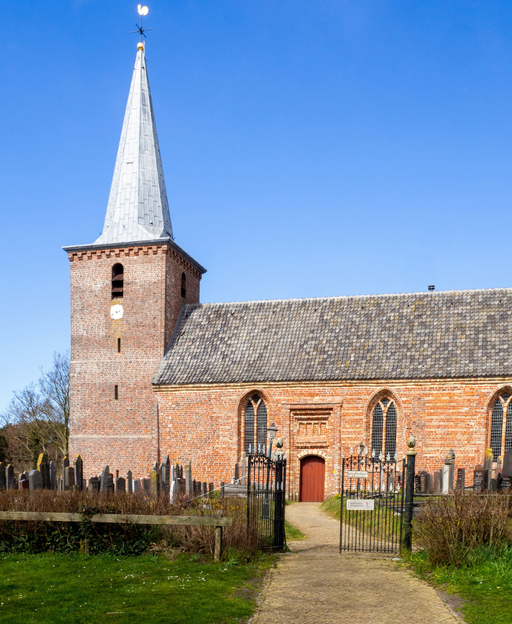
Friesland is a province that remembers its people. Church records here go back centuries. Archives in Leeuwarden hold millions of names. The villages your ancestors lived in still stand on the same ancient mounds where they built their first homes. This is a place where the past is close to the surface.
This guide is a practical travel plan for anyone coming to Friesland to find their roots. It covers what to prepare before you travel, where to go each day, and how to get the most from the records and places you will encounter.
Before You Leave Home
Good preparation makes all the difference. Spend a few hours searching online before you book your flights.
Start with WieWasWie.nl, the main Dutch genealogy portal. It covers civil registration records from 1811 onwards. You can search births, marriages, and deaths across all Dutch provinces. It is free to use.
For Friesland specifically, visit AlleFriezen.nl. This free database focuses entirely on Frisian records. It covers church registers going back to the 1600s. You can often find your family well before civil registration began.
Also check Tresoar.nl. Tresoar is the Frisian historical and literary centre in Leeuwarden. It holds the main archive for Frisian genealogy. Contact them before your trip. They can help you request specific records in advance.
Write down what you know before you search. Your family name, the approximate year your ancestors emigrated, and any place names that have been passed down are all useful. Even a vague family story — “we came from near the water” — can help you narrow things down.
Day 1: Start in Leeuwarden
Leeuwarden (Ljouwert in Frisian) is your base. It is the provincial capital and home to the Tresoar archive.
Arrive in the morning and head to Tresoar first. It sits in the heart of the old city on Boterhoek street. The staff are used to helping people with family searches. Bring your notes. They can help you locate civil records, church registers, and population registers from the 1800s. Some records are accessible via computer terminals on-site.
After Tresoar, walk the old centre. The Oldehove is Leeuwarden’s leaning medieval tower — started in 1529 and never finished. It is one of the oldest landmarks in the city. Your ancestors would have walked past it.
Visit the Fries Museum in the afternoon. It tells the story of Frisian identity and daily life across the centuries. Spend time in the sections on farming and village culture. They bring the past to life in a way that feels personal.
In the evening, walk along the Nieuwestad canal. Leeuwarden has a quiet, unhurried pace. It rewards slow exploration.
Day 2: Into the Frisian Countryside
Hire a car or rent a bike for Day 2. Friesland’s countryside is best seen at a slow pace.
Head north towards the old terpen villages. Terpen are ancient earthen mounds. The first Frisians built them thousands of years ago to stay above the floods. Many Frisian villages still sit on these mounds today. Hogebeintum is the highest terp in the Netherlands — about nine metres above the surrounding land.
Look for the old churchyards in these villages. Many Frisian churches date from the 12th and 13th centuries. The gravestones carry family names that go back generations. If your family came from rural Friesland, these churchyards are where you may find your oldest connections.
The village of Blessum is worth a stop. So is Stiens, a quiet market village with a long history. Drive slowly through the countryside. The land here has not changed much in hundreds of years.
If you know your Frisian surname, check our Dutch Surnames of Friesland guide before you go. It covers the origins and meanings of common Frisian family names. Many names can be traced to a specific village or township within the province.
Day 3: Sneek and the Frisian Lakes
Sneek (Snits in Frisian) is about 20 kilometres south of Leeuwarden. It is the heart of Frisian sailing country.
The town has a beautiful medieval watergate — the Waterpoort — which has stood since 1613. The sailing tradition here goes back centuries. If your Frisian ancestors lived near the water, they likely knew Sneek well.
Visit the Fries Scheepvaartmuseum in Sneek. It tells the story of Frisian waterways and the communities that depended on them. Many Frisian families made their living from fishing, trade, and inland sailing.
Spend the afternoon on the Sneekermeer, the lake just outside the town. Hire a small boat if you can. The landscape here is what Friesland looks like from the water — flat horizons, reeds, the sound of wind. It is a connection to the lives your ancestors lived.
🇳🇱 Enjoying this? Netherlands lovers get stories like this every week. Subscribe free →
Day 4: Following Your Frisian Surname
Use Day 4 to go deeper into the places connected to your family name.
Frisian surnames often come from the farm or village where a family lived. The -ma ending means “the people of.” Adding -stra to a place name showed where a family originated. The -sma ending comes from “son of.” These endings are unique to Frisian surnames. They tell you something real about where your family roots lie.
If your surname points to a specific township, visit it. Walk the streets. Find the church. Look at the gravestones. Frisian families often kept the same name for many generations in the same place.
The municipal archives (gemeentearchief) in smaller Frisian towns often hold records not yet digitised. A visit in person can uncover marriage registers, land deeds, and estate records that you would not find online. Our guide to planning a Dutch heritage trip gives practical advice on working with local archives. Bring identification and a list of the names you are searching for.
Friesland also has its own language. About 350,000 people in the province speak West Frisian. It is officially recognised and taught in schools. Our article on why the Frisian language sounds close to English explains its origins. Some older church records are written in Frisian rather than Dutch. Tresoar staff can help you read them.
Day 5: The Eleven Cities Route and Dokkum
End your journey on the Elfstedentocht route. This is the famous ice skating course that passes through eleven Frisian towns. Even without ice, the route is a map of historic Friesland.
Start in Dokkum, the most northerly town on the route. It is one of the oldest settlements in the Netherlands. The town centre dates from the Middle Ages. Walk the old streets and visit the small regional museum.
Drive or cycle through Franeker, Harlingen, and Bolsward. Each of these towns has its own character and its own archive. Franeker is home to the Eise Eisinga Planetarium, built by a wool comber in the 1770s. It is the oldest working planetarium in the world. Your ancestors may have worked in a trade just like his.
End in Sloten, the smallest of the eleven cities. It is barely more than a village, with canals, old streets, and a windmill. It feels like Friesland as it was three hundred years ago.
Our guide to Friesland’s Eleven Cities covers the full route in detail. If your ancestors lived anywhere in the province, the towns on this route were part of their world.
Practical Planning Notes
When to go: May to September is the best time. The light in summer is extraordinary — wide, clear, and long. Avoid January to March unless you hope for ice.
Getting around: Friesland is flat and ideal for cycling. You can hire bikes in Leeuwarden and most towns. A car is useful for reaching smaller villages in the countryside.
Accommodation: Leeuwarden has good hotels and B&Bs for all budgets. Stay in a smaller village for at least one night to experience the rhythm of the countryside.
Language: Most people in Friesland speak Dutch and English. You will also hear Frisian. Do not be surprised if a shopkeeper greets you in a language that sounds close to Old English. It is Frisian — and it is one of the oldest living languages in Northern Europe.
Archive appointments: Contact Tresoar in advance if possible. Walk-in visits are usually welcome, but an advance booking ensures a researcher can give you dedicated time.
For South African and Afrikaner visitors: Frisian surnames appear frequently in Afrikaner family histories. Our guide to tracing your Boer and Afrikaner roots explains how to connect your South African family history back to the Netherlands.
For Dutch-American visitors: Many Frisian families settled in Michigan and Iowa in the 19th century. Our Dutch-American heritage guide covers how to plan a full roots journey that includes Friesland as a key stop.
Before You Leave Friesland
Take time on your last day to walk through Leeuwarden one more time. Buy a Frisian map or a book of Frisian place names. They will help you make sense of what you found in the archives.
Write down what you discovered while it is fresh. Names, dates, places, and feelings. A heritage trip to Friesland often raises as many questions as it answers. That is part of what makes it worth doing.
Your opa or oma left something behind when they left Friesland. It is still here. The records are waiting. Ancient churches still stand where your ancestors gathered. The villages are quiet and real. All you have to do is come.
Frequently Asked Questions
What is the best archive for tracing Frisian family history?
Tresoar in Leeuwarden is the main archive for Frisian genealogy. It holds civil registration records from 1811, church registers, population registers, and estate records. You can visit in person or contact them by email before your trip.
Where can I search for Frisian genealogy records online?
WieWasWie.nl covers all Dutch provinces and is free to use. AlleFriezen.nl is a free database dedicated to Frisian records, including church registers from the 1600s. Both are good starting points before you travel.
What do Frisian surnames ending in -ma and -stra mean?
The -ma ending means “the people of” a particular place or family. Frisian families added -stra to a place name to show their origin. These endings are unique to Frisian surnames and can help you trace where in the province a family originally came from.
Do I need to speak Dutch or Frisian to research in Friesland?
No. Tresoar staff speak English and are experienced at helping international visitors. Most records from 1811 onwards are in Dutch. Older records in Frisian can be read with help from archive staff. You do not need to speak either language to have a productive research visit.
How long should I spend in Friesland on a heritage trip?
Four to five days is enough for a focused heritage journey. You can cover Leeuwarden, the countryside terpen villages, the Frisian lakes, and several of the eleven cities in that time. If you want to visit multiple archives or explore the Wadden Sea islands, allow a full week.
You Might Also Enjoy
- Dutch Surnames of Friesland: Origins and Meanings — explore the roots of classic Frisian family names.
- How to Trace Your Dutch Ancestry: A Step-by-Step Guide — a practical introduction to Dutch genealogy research.
- 5-Day Dutch Heritage Itinerary: Trace Your Roots Across the Netherlands — a broader journey through Dutch ancestry beyond Friesland.
Join Netherlands Lovers
Every week, discover the Netherlands beyond the tourist trail — hidden villages, local recipes, cycling routes, and travel insights you won’t find in any guidebook.
Subscribe free — enter your email:
Already subscribed? Explore our archives for more hidden Dutch gems.
Love more? Join 64,000 Ireland lovers → · Join 43,000 Scotland lovers → · Join 30,000 Italy lovers →
Free forever · One email per week · Unsubscribe anytime
Plan Your Netherlands Trip
Ready to explore more? Our Start Here guide gives you a full overview of planning your Netherlands journey, from the best regions to visit to practical travel tips for first-time visitors.
Tours & experiences you might love


Powered by Viator. Some links are affiliate links — we may earn a small commission at no extra cost to you.