Jun 17, 2026
|
What Your Utrecht Surname Means
Uncover the hidden stories behind Dutch family names rooted in medieval markets, castles, and waterways.
|
|
Love Netherlands
|
|
Dear Netherlands,
The first thing you notice when you arrive in the Netherlands is how much of it is water. The second thing is how comfortable the Dutch are with it. They cycle past canals, they eat herring leaning over the side of a railing, they build cities below sea level and make them look effortless. It’s the quiet confidence of a country that knows exactly what it is.
|
|
Was this forwarded to you? Subscribe free and never miss an edition →
|
|
If the daily newsletter brings you closer to the Netherlands, our Sunday Premium Edition takes you deeper into it. Every Sunday you’ll receive travel deep dives, curated itineraries, regional stories, and hidden gems you won’t find anywhere else.
Upgrade for less than the price of a pint and see the Netherlands in a completely new way.
|
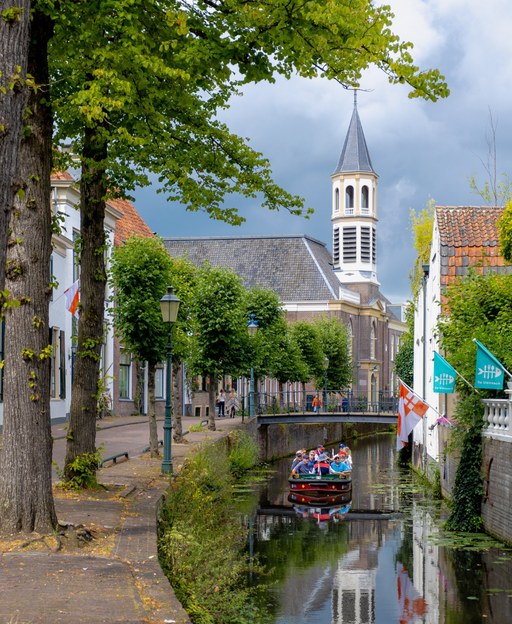
Photo via Love Netherlands
|
In today’s email:
- Dutch Surnames of Utrecht: Origins and Meanings
- At The Café — Café Hoppe — The Brown Café at the Centre of Amsterdam
- Around The Web — Maastricht Day Trip from Amsterdam: The Complete Guide, Dutch Surnames of Limburg: Origins and Meanings, 5-Day Dutch Heritage Itinerary: Trace Your Roots Across the Netherlands + more
- From Love Netherlands — Eindhoven Day Trip from Amsterdam: Design, Art and Dutch Innovation
- Dutch Food You Will Love — Speculaas — The Spiced Biscuit That Smells Like Christmas
|
Dutch Surnames of Utrecht: Origins and Meanings
👉 Read the full story
The Dutch surnames of Utrecht carry the fingerprints of a province that shaped the Netherlands. Utrecht stands at the heart of the country — a crossroads of rivers, a seat of bishops, a city of merchants, and a land of water-meadows where families rooted themselves for generations. The surnames that grew from this soil reflect that rich layering: names built from castle towers, from river-bends, from trades practised in narrow alleyways, and from the farms that spread along the Rhine and Lek. If your family tree leads back to Utrecht province, you are tracing a line into one of Europe’s most historically layered landscapes. Utrecht was already a Roman settlement — Trajectum ad Rhenum , the crossing of the Rhine — long before the Dutch Republic existed. The bishops of Utrecht held political power across much of the medieval Low Countries. When the Napoleonic era finally forced the Dutch…
👉 Read the full story
Have you been there? Do you have a memory of this corner of the Netherlands? Hit reply and tell us — we’d love to hear your story.
|
|
“Want deep dives into the Netherlands every Sunday? Our Premium readers already have their next edition waiting.”
|
At The Café
Café Hoppe — The Brown Café at the Centre of Amsterdam
Café Hoppe on the Spui has been pouring beer since 1670 — long enough that the wooden floor has sunk slightly at the door from three and a half centuries of footfall. It’s the kind of place where the bartender knows the regulars’ orders, the tourists get treated exactly the same as the locals, and the bitterballen come out exactly hot enough to burn the roof of your mouth if you don’t wait. It sits right in the middle of the city, a few minutes’ walk from the Dam, and it’s one of the last genuinely authentic brown cafés you can still find without trying. Come in the late afternoon, sit outside on the pavement, and order a beer.
👉 Visit the café
|
Around The Web
|
From Love Netherlands
An Eindhoven day trip from Amsterdam is one of the most rewarding journeys you can make in the Netherlands — and one of the least obvious. Most visitors pass through en route to somewhere else, or skip it entirely for Amsterdam’s canals and Keukenhof’s tulips. That’s their loss. Eindhoven is the city where the Netherlands reinvented itself: where Philips built a global empire and then handed the city back to the artists, designers and food…
👉 Read the full story
|
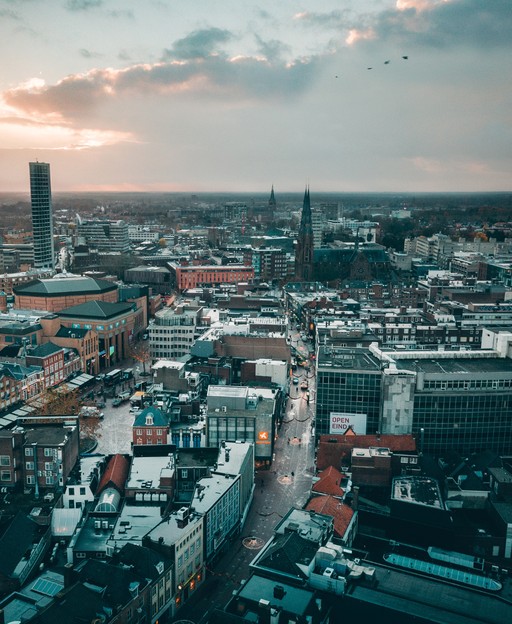
Photo: Shutterstock
|
Dutch Food You Will Love
Speculaas — The Spiced Biscuit That Smells Like Christmas
Speculaas is a thin, crisp biscuit pressed with a wooden mould into intricate patterns — windmills, ships, faces from old folktales — and spiced with cinnamon, nutmeg, cloves, ginger, white pepper and cardamom. It’s eaten year-round but reaches its peak in early December when bakeries make whole speculaaspoppen the size of your forearm. The big windmill-shaped biscuits show up free on saucers at every café from October onwards. A good speculaas should snap cleanly between your fingers and release the warm spice smell before you’ve even raised it to your mouth.
👉 Read the full story
|
|
Know Someone Who Loves the Netherlands?
If you’re enjoying this letter, the best thing you could do is forward it to one friend who’d love the Netherlands too. This newsletter grows by word of mouth alone — every single subscriber came from someone sending it to someone else. Thank you for being one of the first.
|
|
Our daily newsletter is free and always will be. But for less than the price of a pint, you can upgrade to our Sunday Premium Edition, which gives you access to our travel deep dives, curated itineraries, and regional stories. Consider buying us a stroopwafel — it’s the Dutch way to say thank you.
|
Also From Our Family
Love Ireland too? Over 64,000 readers wake up each morning to the Love Ireland newsletter — loveireland.substack.com
Or Scotland? Join 43,000 Scotland lovers — lovescotland.substack.com
|
|
You’re reading Love Netherlands — a free letter about canal towns, hidden villages, and Dutch stories, delivered Monday to Friday.
inlovewithnetherlands.com ·
Unsubscribe
© 2026 Love Netherlands · Part of the Love To Visit LLC family
|