
The Dutch surnames of Utrecht carry the fingerprints of a province that shaped the Netherlands. Utrecht stands at the heart of the country — a crossroads of rivers, a seat of bishops, a city of merchants, and a land of water-meadows where families rooted themselves for generations. The surnames that grew from this soil reflect that rich layering: names built from castle towers, from river-bends, from trades practised in narrow alleyways, and from the farms that spread along the Rhine and Lek.
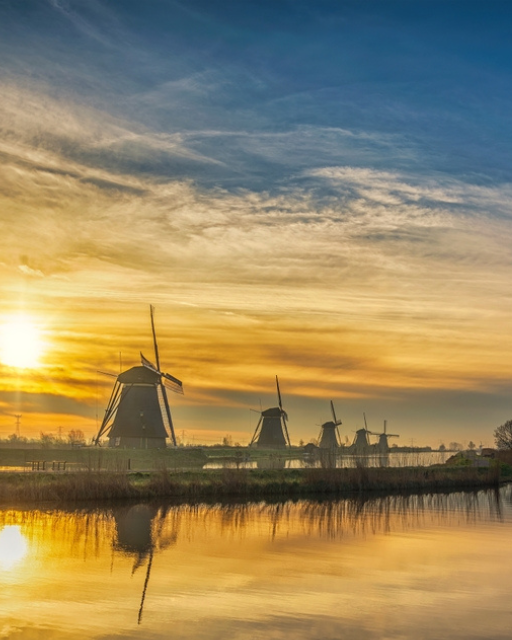
If your family tree leads back to Utrecht province, you are tracing a line into one of Europe’s most historically layered landscapes. Utrecht was already a Roman settlement — Trajectum ad Rhenum, the crossing of the Rhine — long before the Dutch Republic existed. The bishops of Utrecht held political power across much of the medieval Low Countries. When the Napoleonic era finally forced the Dutch to adopt fixed family names in 1811, Utrecht’s families drew on all of this — the Latin past, the ecclesiastical wealth, the market-town trades, and the flat, fertile farmland that stretched between the dunes and the river delta.
This guide explores the surnames that took root in Utrecht: where they came from, what they originally meant, and how they spread across the world as Dutch emigrants carried them to South Africa, the United States, Australia, and beyond. For a broader introduction to Dutch genealogical research, see our guide to how to trace your Dutch ancestry step by step.
Why Utrecht Surnames Are Distinctive
Utrecht’s surnames stand apart from those of the coastal provinces in several important ways. The province sits inland, bordered by the rivers Rhine, Lek, Vecht, and Amstel. The landscape — polders, peat bogs, river ridges, and the gentle hills of the Utrechtse Heuvelrug — gave families a rich vocabulary of place-based names. A family living near a ridge, a ford, a castle, or a weir found their location becoming their identity.
Utrecht also had a dense network of religious institutions. Monasteries, convents, and chapter houses dotted the province, and many families took names that reflected service to those establishments — or were named after the villages and estates that formed the church’s landholdings. This ecclesiastical influence is far more visible in Utrecht surnames than in, say, the fishing communities of North Holland.
Trade also left its mark. The cities of Utrecht, Amersfoort, and Wijk bij Duurstede were medieval commercial hubs. Craft names — the tanner, the fuller, the smith, the baker — appear frequently in Utrecht’s surname record, often in forms that reflect the province’s own dialect rather than the standard Dutch you’d find in Holland.
🇳🇱 Enjoying this? Netherlands lovers get stories like this every week. Subscribe free →
Dutch Surnames of Utrecht: A to F
Van den Berg
Van den Berg means “from the hill”. It comes from the Dutch word berg, meaning hill or ridge. The name arose along the Utrechtse Heuvelrug, the province’s low sandy ridge. Families with this name appear in Utrecht records from the 14th century, and it became one of the most common surnames in the Netherlands after the 1811 name registration.
Van Dijk
Van Dijk means “from the dyke”. It comes from the Dutch word for an embankment or flood defence. The name was common across the entire Netherlands, but Utrecht’s extensive network of river dykes along the Rhine and Lek gave it particular density here. Many Van Dijk families were responsible for maintaining stretches of dyke — a job that defined both their home and their livelihood.
De Groot
De Groot means “the great” or “the large”. It comes from a nickname for a tall or physically large person. The name is found widely across Utrecht and Holland from the medieval period. The philosopher Hugo de Groot (Grotius), born in Delft in 1583, made the name famous internationally. Several De Groot families appear in Utrecht’s 17th-century guild records.
Brouwer
Brouwer means “brewer”. It comes from the Dutch word for the craft of making beer. Utrecht had a lively brewing trade in the medieval period, with several guilds operating within the city walls. A Brouwer family was one that brewed commercially — for the local market or for the religious houses that depended on safe drinking water alternatives.
Van Dam
Van Dam means “from the dam”. It comes from families living beside a dam or water-control structure. Utrecht’s rivers and canals required constant management, and the families who lived beside these structures took their identity from them. The name is found in Amersfoort, Wijk bij Duurstede, and the Vecht valley from the 15th century onwards.
Van der Burg
Van der Burg means “from the castle”. It comes from the Dutch word burg, a fortified tower or castle. Utrecht province had many medieval castles — Kasteel de Haar, Slot Zuylen, Kasteel Amerongen — and families associated with these estates or living in their shadow often carried the name. It signals a connection to the province’s nobility-dominated rural landscape.
Faber
Faber means “craftsman” or “smith”. It comes from the Latin faber, used in the Low Countries for a skilled metalworker. The name was adopted by families across Utrecht’s market towns. It appears in Amersfoort’s guild records from the 16th century and was common among Protestant families who registered names during the Reformation era.
Dutch Surnames of Utrecht: G to M
Goossens
Goossens means “son of Gosse” — a short form of the old Germanic name Gozwin. It comes from the father’s first name becoming the family name. The name is found more widely across the southern and eastern Netherlands, but Utrecht records show Goossens families in the Vecht valley and around Breukelen from the 17th century. Many emigrated to South Africa during the VOC era.
Van der Hoeven
Van der Hoeven means “from the farmstead”. It comes from the Dutch word hoeve, meaning a farm or agricultural holding. Utrecht’s polder landscape was divided into long, narrow farm strips, and families identified themselves by their farm’s location. The name is strongly associated with the rural areas east of Utrecht city, around Zeist and Driebergen.
Jansen
Jansen means “son of Jan”. It comes from the most common Dutch Christian name, Jan, a version of John. After the 1811 name registration, Jansen became among the top five most common Dutch surnames. Utrecht records show the name across all social classes — from farmers in IJsselstein to merchants in the city of Utrecht itself.
Kok
Kok means “cook”. It comes from the Dutch job name for someone who cooked professionally. In Utrecht, this often meant someone employed by a religious house, a wealthy merchant, or the city’s many inns and taverns. The Kok families of Utrecht appear in civil records from the 15th century. The name spread widely with the Dutch diaspora, appearing frequently in South African records.
Maas
Maas means “of the Maas river”. It comes from the great river forming the southern border of the Netherlands. In Utrecht, the name appears as both a place-based name and a shortened form of the Germanic name Thomas. Maas families from Utrecht often trace connections to trade routes that ran from the Rhine down to the Maas and into the southern provinces.
Van Mourik
Van Mourik means “from Mourik”. It comes from the village of Maurik, a small settlement on the Lower Rhine in Utrecht province. The name is tightly regional — almost entirely concentrated in the area between Utrecht city and the Betuwe. Families bearing this name are almost certainly traceable to this one stretch of river road, making it a powerful genealogical marker.
Dutch Surnames of Utrecht: N to Z
Nieuwenhuis
Nieuwenhuis means “new house”. It comes from families who built or moved into a newly constructed home. Utrecht’s expanding towns regularly saw new construction, and the Nieuwenhuis families of Veenendaal and Rhenen took their name from farmsteads established as peat-cutting reclaimed new agricultural land from the bogs.
Van Rijn
Van Rijn means “from the Rhine”. It comes from the great river running through the heart of Utrecht province. The name was taken by families living along the Lower Rhine between Arnhem and the sea. The painter Rembrandt Harmenszoon van Rijn carried a surname connected to this river. Utrecht parish records show the name from the 14th century, often linked to ferrymen and riverside trades.
Smit
Smit means “smith”. It comes from the Dutch job name for a metalworker. One of the most common occupational surnames in the Netherlands, the Smit families of Utrecht were essential craftsmen in every market town. In Amersfoort alone, guild records list more than thirty Smit families operating forges between 1580 and 1700. The name spread widely to the Dutch diaspora, appearing frequently in South African records.
Van Strien
Van Strien means “from Strijen”. It comes from the village of Strijen in the river delta south of Utrecht. Families carrying this name in Utrecht province often trace movement along the major river routes connecting Holland, Utrecht, and Zeeland. The name indicates families who relocated northward from the river islands into the central province.
Visser
Visser means “fisherman”. It comes from the Dutch word for someone who fishes professionally. Utrecht’s rivers — the Vecht, the Rhine, the Lek — supported professional fishing communities from the medieval period. Visser families in Utrecht worked the river fisheries supplying both the city and the religious houses. The name spread globally with Dutch emigrants and is among the fifty most common surnames in South Africa today.
Wijnands
Wijnands means “son of Wijnand”. It comes from the father’s old Germanic name Wignand, meaning “battle-bold”. The name is found in Utrecht records particularly around Woerden and Oudewater, near the border with South Holland. It signals a family of older Flemish or Brabantine origin that settled in Utrecht’s western towns during the 16th-century religious migrations.
Zijlstra
Zijlstra means “of the sluice family”. It comes from the Frisian word syl for a water channel, with the Frisian suffix -stra meaning “of the family of”. Though strongly associated with Friesland, Zijlstra families appear in Utrecht’s northern parishes near the Eem river — reflecting the movement of Frisian farming families southward into the polder landscape of central Utrecht.
The 1811 Name Registration in Utrecht
When Napoleon ordered all Dutch subjects to register permanent family names in 1811 to 1812, Utrecht’s population responded in varied ways. Wealthy merchant families and nobles already carried established surnames. Rural farming families often formalised the place-name or father’s name they had been using informally for generations.
Utrecht’s civil registration records from this period are held at the Utrechts Archief in Utrecht city, one of the best-preserved provincial archives in the Netherlands. The archive holds not only the 1811 name registration — the naamsaanneming — but also the earlier church records and the civil records from the French occupation period. For families researching Utrecht surnames, this archive is the essential first stop.
Some Utrecht families registered with apparent pleasure in the language. Names like “Van der Linden” (from the lime tree) or “Bloemendaal” (flower valley) suggest families who chose pleasant-sounding place names rather than literal descriptions. Others were more pragmatic, using the name of their farm, their trade, or the village their grandfather had come from.
For guidance on searching these historical records, our step-by-step guide to tracing Dutch ancestry explains how to use the WieWasWie.nl database, which indexes millions of Dutch civil and church records including those from Utrecht province.
Utrecht Surnames in the Dutch Diaspora
Utrecht families left their province through several major migration waves. The VOC (Dutch East India Company) period from the early 1600s to the late 1700s drew thousands of men from Utrecht into maritime trade. Many settled in what is now South Africa, Indonesia, Sri Lanka, and the Caribbean. Utrecht surnames appear in Cape Colony records from the 1650s onwards.
The 19th century brought a second wave of emigration. As Utrecht’s peat bogs were exhausted and agricultural land became consolidated, rural families moved — some to Amsterdam and Rotterdam, others further afield to the United States (particularly Michigan, Iowa, and New Jersey), to New Zealand, and to Australia. Communities with Utrecht-origin surnames are found in all these countries today.
If you are researching Utrecht connections from abroad, compare your surname against the other provinces we have documented. Many families crossed provincial boundaries: a surname that appears in both Utrecht and Gelderland or in both Utrecht and North Holland was often carried by a family that moved along the Rhine trade route or the north to south polder road connecting Utrecht to Amsterdam.
Researching Your Utrecht Surname
The Utrechts Archief holds the most complete collection of Utrecht genealogical records. Their online portal connects to the WieWasWie.nl national database, which covers birth, marriage, and death records from 1811 onwards, as well as earlier church registers for Utrecht’s Protestant, Catholic, and Jewish communities.
For surnames that appear across multiple provinces, the Meertens Institute in Amsterdam maintains the Dutch Surname Database (Nederlandse Familienamenbank), which maps the geographic distribution of surnames across the country as recorded in historical censuses. This tool is invaluable for distinguishing whether your Van den Berg family is from the Utrechtse Heuvelrug or from one of the many other Dutch provinces where the name was also common.
Once you have identified a home village in Utrecht, you may want to visit in person. Our guide to planning a Dutch heritage trip to your ancestral town covers how to approach local archives, visit church registers, and connect with Dutch genealogical societies who can help you research on the ground.
For those who want to combine genealogical research with travel, our 5-day Dutch heritage itinerary includes Utrecht as a key stop — the city’s medieval cathedral quarter, the Utrechts Archief, and the castles of the Heuvelrug all reward a family history-focused visit.
Frequently Asked Questions About Dutch Surnames of Utrecht
What are the most common surnames in Utrecht province?
The most common surnames in Utrecht province include Van den Berg, Van Dijk, De Groot, Jansen, and Visser. These names are also found across other Dutch provinces, reflecting the mobility of Dutch families over centuries. Surnames more specifically tied to Utrecht include Van Mourik (from Maurik on the Lower Rhine), Van Strien, and names referencing Utrecht’s castles and river crossings directly.
When did Utrecht families adopt fixed surnames?
Fixed surnames became mandatory in the Netherlands between 1811 and 1812, during the French occupation under Napoleon. Before this, many Dutch families used patronymic names — a father’s first name as the son’s surname — which changed every generation. The 1811 registration required every family to choose a permanent surname. Utrecht’s records from this period are held at the Utrechts Archief.
Are Utrecht surnames different from Holland surnames?
Yes, though there is overlap. Utrecht’s inland position meant that place-based names reflect hills, river crossings, castle estates, and peat-bog farms rather than the coastal and fishing-community names more common in Holland. The ecclesiastical history of Utrecht also produced a cluster of names linked to monastic and cathedral institutions. Craft names from Utrecht’s medieval trade guilds are also distinctive to the province.
Where can I find Utrecht genealogical records?
The primary source is the Utrechts Archief in Utrecht city, which holds civil registration records from 1811, church registers from the 17th century, and earlier notarial and estate records. Their collections are increasingly digitised and searchable via WieWasWie.nl. The Meertens Institute’s Dutch Surname Database maps surname distributions historically. For emigrant families, the Dutch Reformed Church records in South Africa and the Ellis Island records in the United States are also relevant.
Did Utrecht surnames survive unchanged in South Africa?
Many did, though spelling sometimes changed. Van Rijn might appear as Van Reyn; Visser remained Visser; Kok stayed Kok. Some names were adapted into Afrikaans forms. The VOC settlers who arrived at the Cape from the 1650s onwards included significant numbers of Utrecht-origin families, and their surnames are documented in the Genealogical Institute of South Africa records. The South African Genealogical Society maintains searchable databases of Cape settler surnames.
You Might Also Enjoy
- How to Trace Your Dutch Ancestry: A Step-by-Step Guide — the essential guide to Dutch genealogical research
- Dutch Surnames of Gelderland: Origins and Meanings — surnames from Utrecht’s neighbouring province
- 5-Day Dutch Heritage Itinerary: Trace Your Roots Across the Netherlands — plan your genealogical journey
Join Netherlands Lovers
Every week, discover the Netherlands beyond the tourist trail — hidden villages, local recipes, cycling routes, and travel insights you won’t find in any guidebook.
Subscribe free — enter your email:
Already subscribed? Explore our archives for more hidden Dutch gems.
Love more? Join 64,000 Ireland lovers → · Join 43,000 Scotland lovers → · Join 30,000 Italy lovers →
Free forever · One email per week · Unsubscribe anytime
Plan Your Netherlands Trip: New to the Netherlands? Our Start Here guide covers everything you need — from the best times to visit to getting around by train, cycling routes, and the hidden towns most visitors never discover.
Tours & experiences you might love


Powered by Viator. Some links are affiliate links — we may earn a small commission at no extra cost to you.