

The canal-side cafés are already full by 10 a.m. on a Saturday. Visitors gather outside the Anne Frank House on the Prinsengracht, phones up, while a delivery cyclist rings his bell three times and weaves through without breaking stride. This is Amsterdam: a city that rewards the early riser, the off-season visitor, and the traveller willing to wander a few streets beyond the postcard corners.
We put this guide together for first-time and returning visitors who want the city’s real character without pretending the crowds don’t exist. These ten things to do in Amsterdam mix the big sights with quieter, more local places. For each one we add how to plan it well, and we link the official page so you can check current tickets and opening times before you go.
One tip before we start: Amsterdam’s three best-known museums are world-class, and they are busy all year. Book a timed ticket online in advance, take an early or late slot, and if you can, visit on a weekday outside the summer and spring holidays.
The Museums Worth Your Time
1. Rijksmuseum
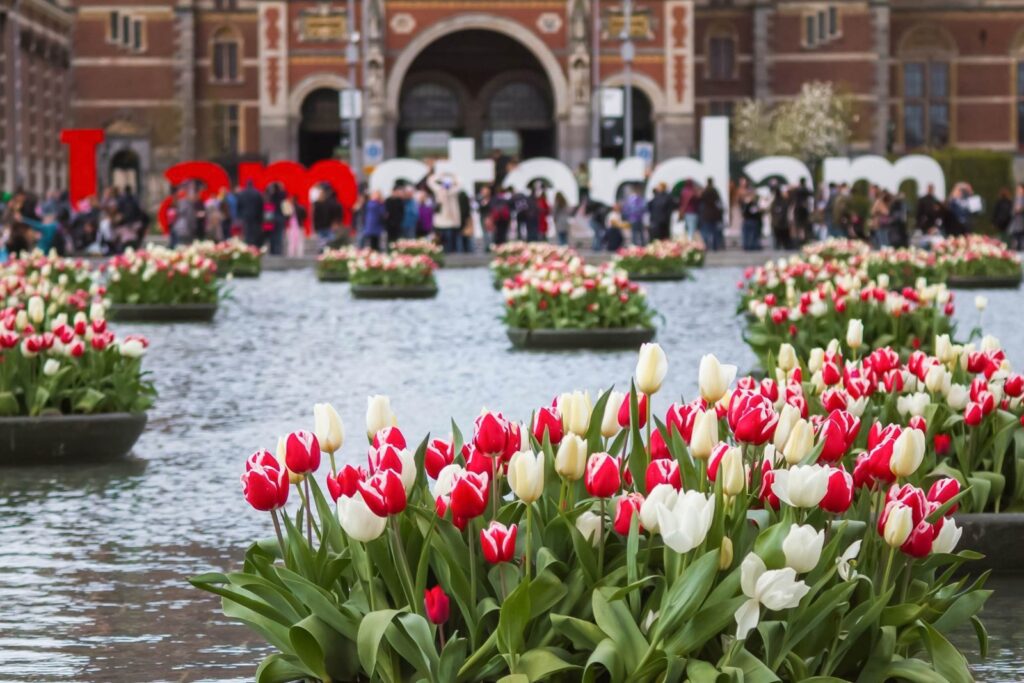
The Rijksmuseum is the national museum of the Netherlands and the home of Rembrandt’s Night Watch, along with the great Dutch Golden Age painters, Delft blue, ship models and doll’s houses. The building itself, designed by Pierre Cuypers and opened in 1885, is red brick with Gothic and Renaissance details, and it has a public passage running straight through the middle: Amsterdammers cycle under the museum every day on their way to work.
Plan it well: buy a timed ticket on the museum’s website before you travel, and avoid summer weekends if you can. Allow two to three hours if you stick to the highlights, more if you want the whole Gallery of Honour and the Asian pavilion. Our Rijksmuseum visitor guide has a room-by-room plan.
Tickets and opening times: Rijksmuseum (official site)
2. Van Gogh Museum
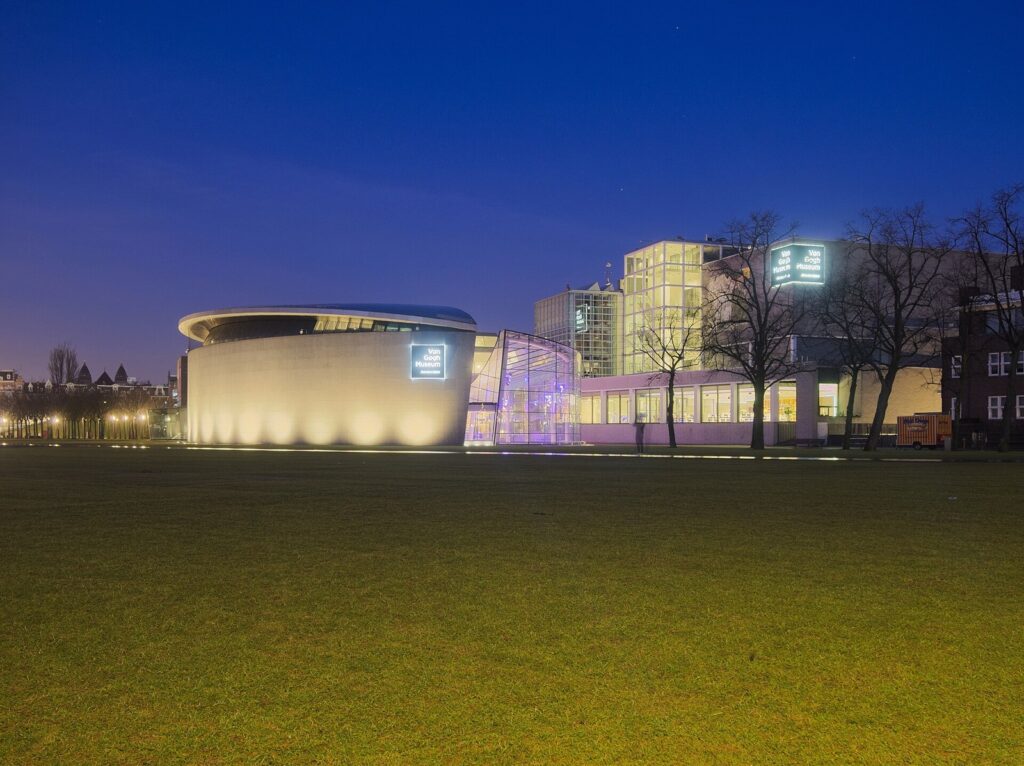
A short walk across the Museumplein, the Van Gogh Museum follows Vincent’s life from the dark early Dutch pictures such as The Potato Eaters to the bright yellows and blues of Sunflowers, The Bedroom and Almond Blossom, painted after he moved to the south of France. His drawings and letters sit alongside the paintings, so you follow the man as well as the art. It is moving, and it is busy.
Plan it well: entry is with a timed ticket, so book ahead. Late openings, when the museum has them, are often calmer than mornings in high season. Our Van Gogh Museum guide covers the floors in order.
Tickets and opening times: Van Gogh Museum (official site)
3. Anne Frank House
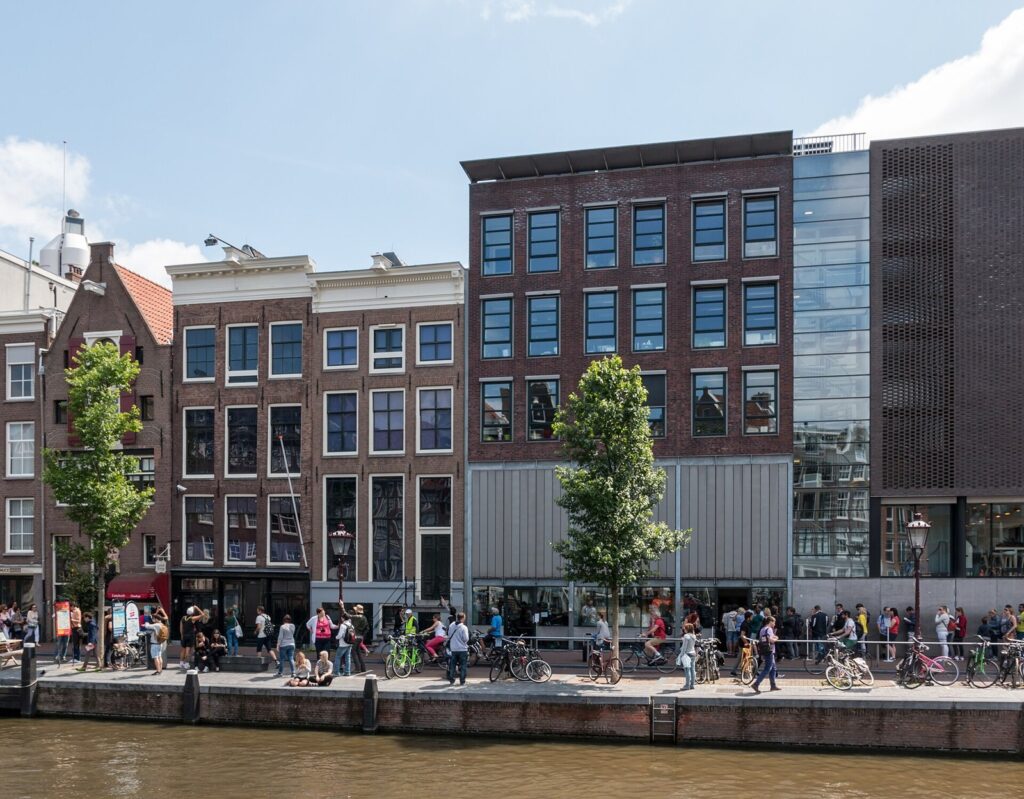
This is not just a museum. At Prinsengracht 263 you walk through the Secret Annex where Anne Frank, her family and four others hid for two years during the German occupation. The rooms are small and bare, with steep, narrow stairs, and the quiet inside stays with you long after you leave.
Plan it well: the museum can only be visited with a ticket bought online for a specific time slot, so there is no queue to join on the day. Tickets go fast, so book as soon as your dates are fixed. Allow about an hour, then walk into the Jordaan next door (number 6 below) to sit by a canal for a while.
Tickets and visitor information: Anne Frank House (official site)
Canals, Parks and Outdoor Spaces
4. The Canal Ring
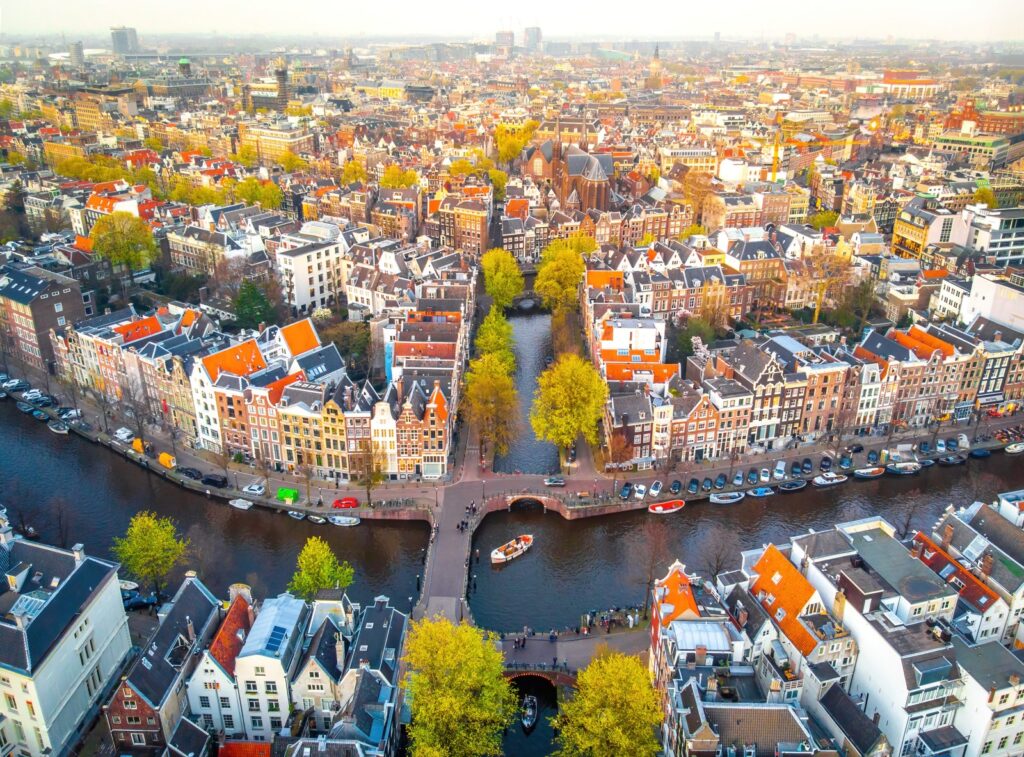
The 17th-century canal ring, with the Herengracht, Keizersgracht and Prinsengracht curving around the old centre, has been a UNESCO World Heritage site since 2010. See it twice: once from the water and once on foot.
For the water, take a standard canal cruise from the boarding points near Centraal Station or along the main canals; evening departures are calmer than midday ones. Our canal cruise guide compares the options. For the walk, start on the Brouwersgracht, where the canal ring meets the Jordaan, and drift south along the Prinsengracht past houseboats, corner cafés and bookshops. It is flat, and about 45 minutes at an easy pace.
To understand how the ring was planned and built, stop at the Museum of the Canals in a merchant’s house at Herengracht 386.
Plan your visit: Museum of the Canals (official site)
5. Vondelpark
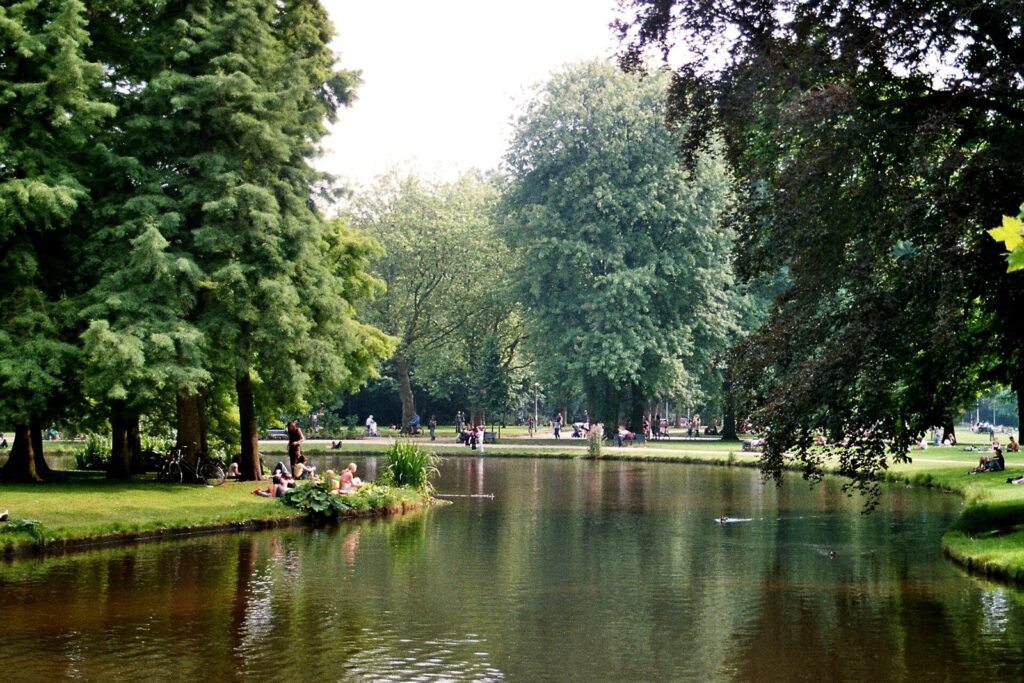
The Vondelpark is Amsterdam’s most popular park, a long stretch of lawns, ponds and tree-lined paths laid out in the English landscape style and opened in 1865. This is where locals jog, picnic, cycle to work and stretch out on the grass on the first warm day of spring. The rose garden is at its best in early summer, and in the warmer months the open-air theatre puts on free performances.
Plan it well: entry is free. The busiest entrances are at the Stadhouderskade end near the Leidseplein, a few minutes from the Museumplein, so you can pair the park with the Rijksmuseum or the Van Gogh Museum. Come on a dry weekday morning, and bring a picnic from a local supermarket.
More on the park: Vondelpark on I amsterdam, the city’s official guide
Neighbourhoods and Quiet Corners
6. The Jordaan
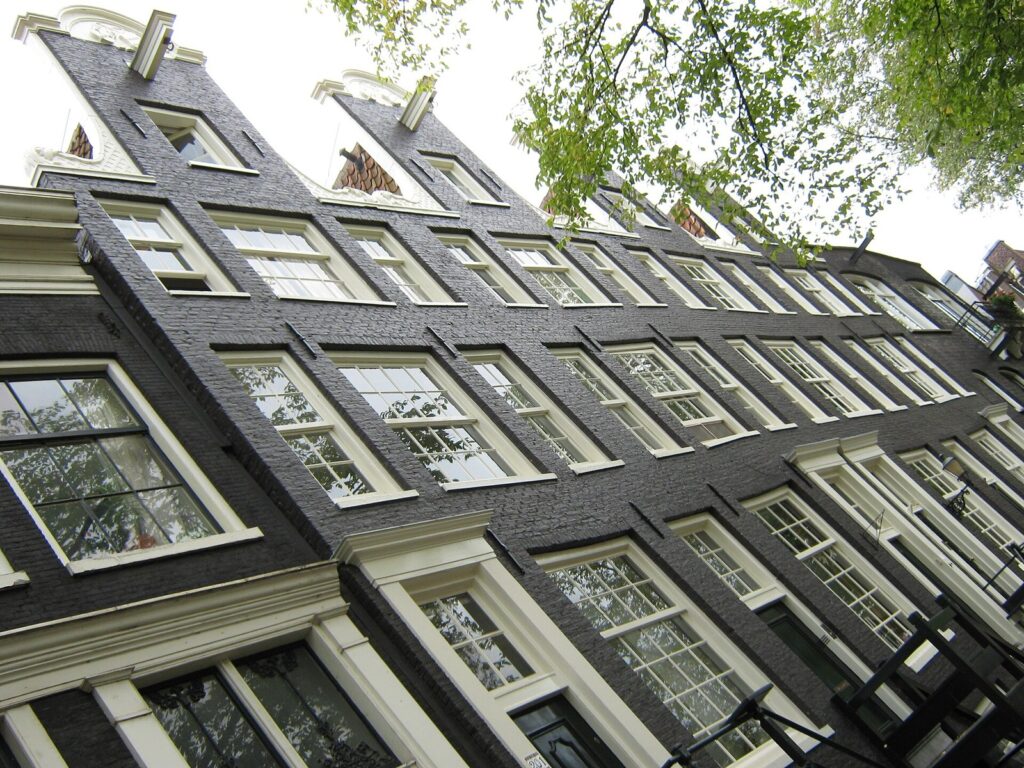
West of the Prinsengracht lies the Jordaan, a former working-class district of narrow streets and small canals, now full of independent galleries, vintage shops and bruine kroegen (brown cafés: wood-panelled, dimly lit neighbourhood pubs). The Westerkerk, where Rembrandt is buried, stands on its eastern edge.
Walk the Egelantiersgracht and the Bloemgracht, two of the prettiest small canals in the city. Café ‘t Smalle on the Egelantiersgracht has a small waterside terrace, and Café ‘t Papeneiland on the corner of the Prinsengracht and Brouwersgracht dates from 1642. On Saturday mornings the Noordermarkt holds a farmers’ market and flea market in one; on Mondays there is a flea market with books, antiques and vintage clothes.
Give the Jordaan two or three hours and let yourself get lost. Our Jordaan neighbourhood guide has a walking route.
More on the neighbourhood: Things to do in the Jordaan (I amsterdam)
7. Albert Cuyp Market in De Pijp
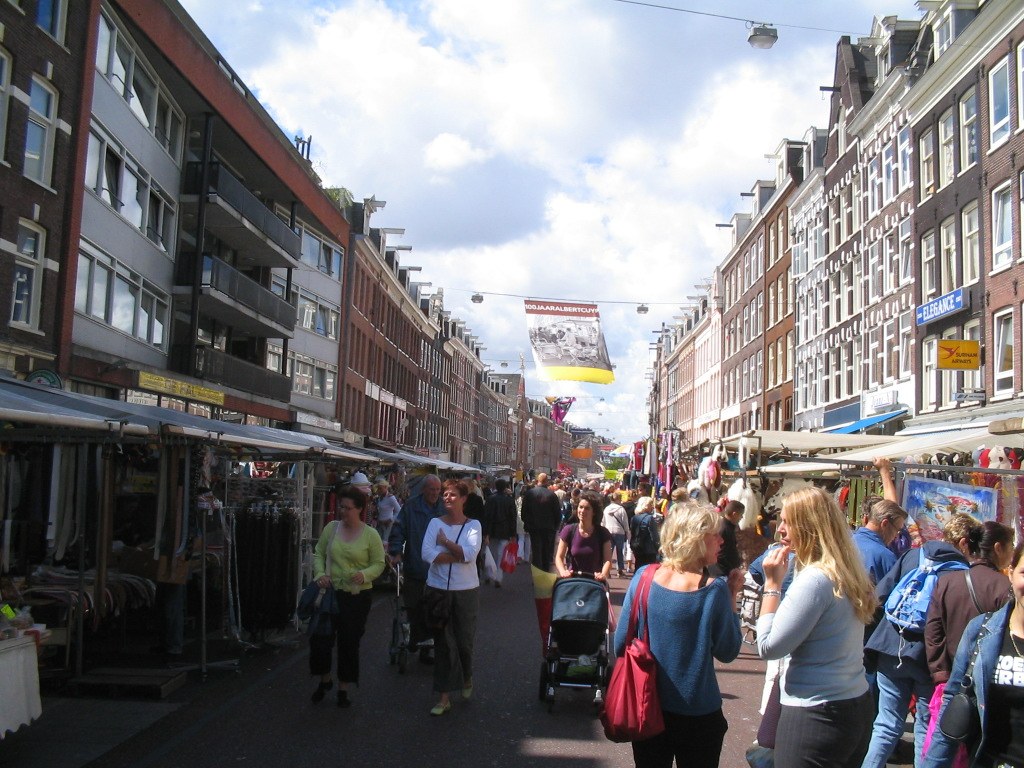
De Pijp, just south of the canal ring, is where students, young families and artists live side by side. Its main street, the Albert Cuypstraat, has held a daytime market since 1905. With around 260 stalls it calls itself the largest daytime market in Europe: fresh fish, vegetables, flowers, cheese, fabrics and street food, and yes, plenty of visitors, but also locals doing their weekly shop.
Walk the length of it once without buying anything, then go back to the stalls that caught your eye. Try a raw herring from the fish stall or a warm stroopwafel, then sit down in the Sarphatipark, two streets away, to eat it.
Market days and stalls: Albert Cuyp Market (official site)
8. The Begijnhof
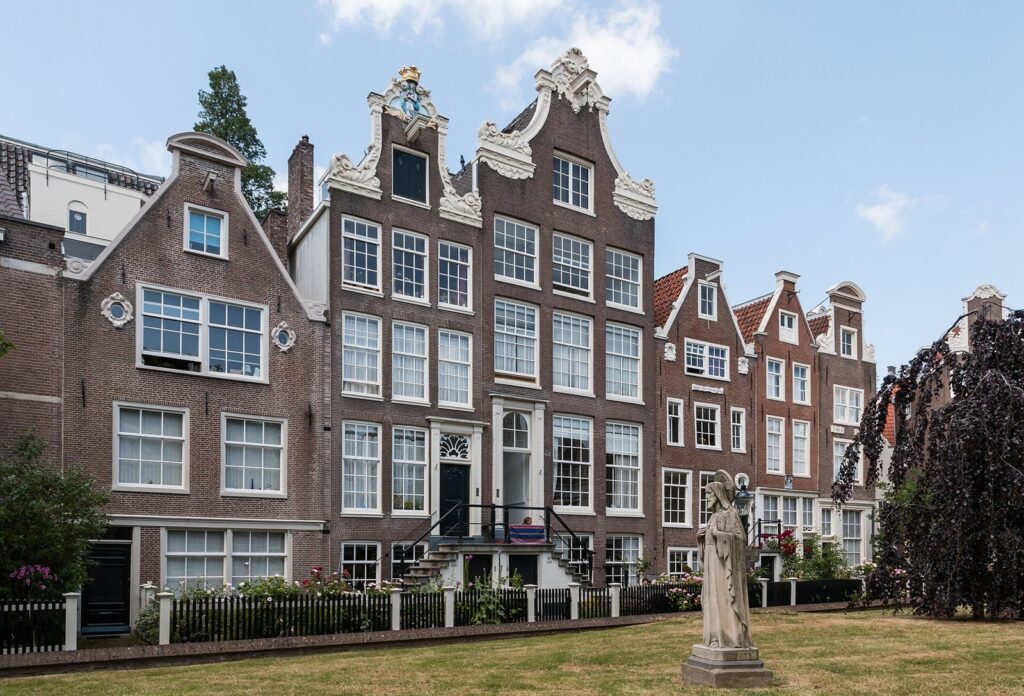
Through a doorway off the Spui lies the Begijnhof, a courtyard of houses around a green that was founded in the 14th century for the begijnen, unmarried Catholic women who lived in a religious community without taking vows. It is very quiet for a place in the middle of the city. Most facades were replaced in the 17th and 18th centuries, but eighteen houses still have a Gothic timber frame inside, and one house, No. 34, keeps its wooden front. The Begijnhof Chapel and the English Church face each other across the green.
Plan it well: people live here, so keep your voice down, stay on the paths and don’t photograph residents. Allow 20 minutes. It is about ten minutes’ walk from the Dam.
Chapel times and visitor information: Begijnhof Chapel (official site)
Flowers and Courtyards
9. The Bloemenmarkt and the Aalsmeer Flower Auction
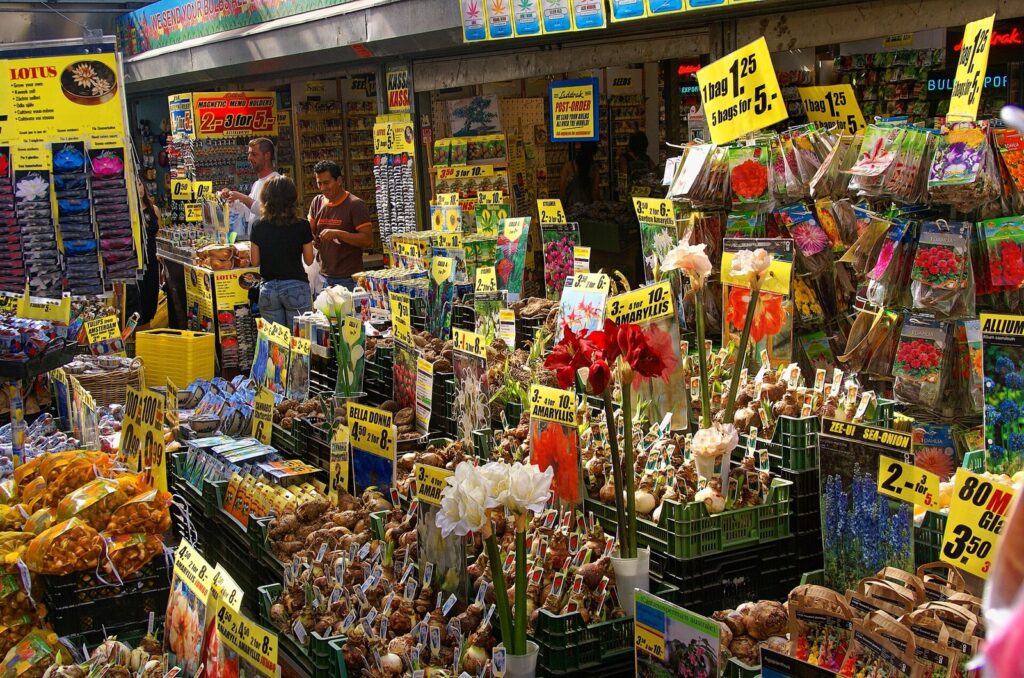
Amsterdam’s flower market, the Bloemenmarkt, lines the Singel canal between the Koningsplein and the Muntplein, with its stalls built out over the water. It is a fun ten minutes for bulbs, seeds and souvenirs, but if flowers are your thing, the bigger experience is outside the city.
At Royal FloraHolland in Aalsmeer, southwest of Amsterdam near Schiphol, tens of millions of flowers and plants change hands every day. Visitors walk a self-guided route above the auction floor, with information panels explaining how it all works, and look down on thousands of trolleys of flowers being moved to buyers. It is a morning-only visit on weekdays, so check the days and times before you set out.
Visit details: Royal FloraHolland flower auction (I amsterdam)
10. Hofje De Zeven Keurvorsten
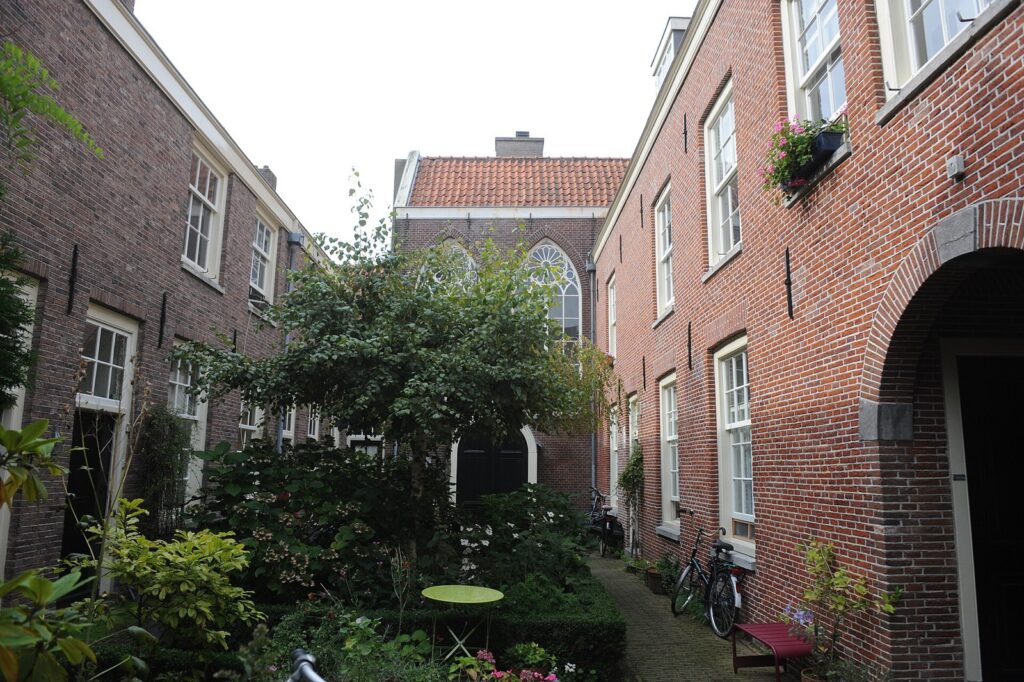
Amsterdam is full of hofjes: courtyards of small almshouses built around a garden, usually funded by a wealthy benefactor to give older or poorer residents a home. Most are still lived in, and only some are open to visitors. Hofje De Zeven Keurvorsten on the Tuinstraat in the Jordaan is a good example: 18th-century houses around an inner courtyard, a small neo-Gothic chapel, and a street entrance with a memorial stone dated 1775. The St Andrieshofje on the Egelantiersgracht, a few streets away, is another of the Jordaan’s courtyards.
If a hofje’s door is open, step in quietly, look at the garden and don’t photograph the residents. If the door is shut, it is shut for a reason.
Listed-monument record: Hofje De Zeven Keurvorsten in the national monuments register
Getting Around
Amsterdam’s centre is compact: you can walk or cycle across it in under an hour. Cycling is the local way, so if you hire a bike, lock it to something fixed, keep to the red cycle paths and give way to the locals who know where they are going. Walking is still the best way to find the quiet corners, and trams and buses fill the gaps.
Book the big museums as soon as your dates are fixed. Spring, with the tulip season, and the summer holidays are the busiest times; November and January to March are quieter, and December is festive but crowded.
For more time in the city, see our 3-day Amsterdam itinerary, and for trips out, our guide to the best day trips from Amsterdam.
Checked October 2026.
Free Netherlands Travel Guide
The Ultimate Netherlands Travel Guide (PDF), 2026 edition. Free when you join our newsletter.
Tours & experiences you might love


Powered by Viator. Some links are affiliate links — we may earn a small commission at no extra cost to you.