
Every Dutch family has one. A specific pannenkoekenhuis they have visited for years. It might sit beside a canal, overlook a polder, or fill the ground floor of a working windmill. Whatever the setting, it always serves one thing — enormous, thin pancakes piled with toppings you choose yourself.
Most tourists never find them. The Dutch do not advertise this tradition. They just drive to it, Sunday after Sunday, year after year.
What Is a Dutch Pannenkoekenhuis?
A pannenkoekenhuis is not a diner. It is a destination.
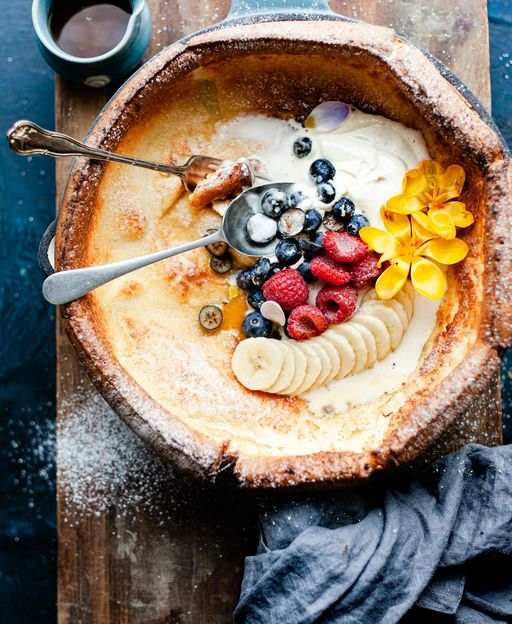
The Dutch pancake — the pannenkoek — looks nothing like an American stack. It is large, flat, and thin. One pancake fills the whole plate and spreads out to the edges.
Toppings go directly on top. You choose: apple and cinnamon, ham and cheese, bacon (spek) with stroop, or the simplest version of all — a plain pancake with a drizzle of golden syrup. No sides. No garnishes. Just the pancake.
The experience is very different from what visitors expect. If you are new to the Netherlands, the start-here guide explains the rhythms of Dutch daily life that make traditions like this make sense.
The Sunday Drive
Dutch families do not eat pannenkoeken at home. They drive for them.
On Sunday mornings — sometimes Saturday afternoons — families load into the car and head out into the countryside. The drive is part of the ritual. Fields open up on either side. The pace drops. The city disappears behind you.
By the time you reach the car park, the anticipation has already started. The smell of butter and batter reaches you before you open the door.
Inside the Pancake House
Most Dutch pancake houses feel the same inside — warm, slightly noisy, full of families.
Long wooden tables fill the main room. Children sit at the ends and draw on paper placemats. Coffee arrives before anyone has read the menu. The menu barely needs reading anyway. Everyone already knows what they want.
Many of the best-loved pannenkoekhuizen occupy historic buildings. Pannenkoekenmolen De Eersteling operates inside a working mill in North Holland. De Vier Winden on Texel island serves pancakes with sea air on the side. Het Zwarte Schaap in Drenthe sits in a converted farmhouse surrounded by woodland.
These places do not advertise much. They do not need to. Families find them, return to them, and eventually bring their own children.
Enjoying this? Get stories like this every week from Love Netherlands — Subscribe free →
Savoury First, Sweet After
One thing surprises most first-time visitors. The Dutch treat pannenkoeken as a full meal, not a dessert.
The standard approach is savoury first. A ham and cheese pancake. Then a sweet one — apple and cinnamon, or plain with stroop. Two pancakes is a normal lunch for an adult. Children usually manage one, but sometimes push for another.
This structure has a logic to it. The savoury pancake fills you. The sweet one finishes the meal on a warm note. Dutch children learn this order young, and it stays with them for life.
This approach to food — practical, generous, and built around the table — runs through Dutch culture. The article on Dutch bread and breakfast traditions shows how the same values shape meals throughout the day.
Why Windmills and Pancakes Belong Together
The connection between pancakes and windmills runs back centuries.
Grain mills ground the flour. Local farms supplied eggs, milk, and butter. Millers and their families fed travellers who stopped along the road. The combination — windmill, warm food, communal table — became part of the Dutch countryside.
Today, the mill-based pancake houses carry something a high-street café cannot replicate. The beams are old. The walls are thick. Sometimes the mill still turns overhead while you eat.
The Dutch have always found ways to make use of what they have — their food culture is as practical and inventive as their approach to water management. The story of how stroopwafel was invented from a baker’s scraps shows the same spirit at work.
Frequently Asked Questions
What is a pannenkoekenhuis in the Netherlands?
A pannenkoekenhuis is a Dutch pancake house — a restaurant dedicated to serving pannenkoeken (Dutch pancakes). Most are family-run, often in the countryside, and located in converted mills, farms, or barns. They are beloved by Dutch families as a weekend lunch destination.
What is the difference between Dutch pannenkoeken and regular pancakes?
Dutch pannenkoeken are much larger and thinner than American-style pancakes. They resemble a large crêpe but with a slightly denser texture. One pancake fills the whole plate and serves as a complete meal, with both sweet and savoury topping combinations available.
When is the best time to visit a Dutch pancake house?
Sunday lunchtime is the classic time — expect families at every table and a warm, lively atmosphere. Midweek visits are quieter. Pancake houses are open year-round, though spring and summer weekends are popular because the countryside drive is part of the experience.
Are Dutch pannenkoekhuizen good for children?
Yes — pannenkoekhuizen are among the most child-friendly restaurants in the Netherlands. Children’s portions are standard, prices are affordable, and the format (pick your own toppings, eat at a big shared table) suits families with young children perfectly.
Love Netherlands — Free Every Week
Canal towns, hidden villages, Dutch stories. A free letter about the Netherlands — written slowly, delivered weekly.
Love more? Join 64,000 Ireland lovers → · Join 43,000 Scotland lovers → · Join 30,000 Italy lovers →
Free forever · One email per week · Unsubscribe anytime
There is no grand secret to the Dutch pancake house. The Dutch do not explain this tradition. They simply drive to the same mill, sit at the same table, and order the same pancake they have ordered for thirty years. Somewhere in that repetition is everything that makes the Netherlands feel like home.
Tours & experiences you might love


Powered by Viator. Some links are affiliate links — we may earn a small commission at no extra cost to you.