

Haarlem: The Handsome City the Amsterdam Crowds Forgot
Golden-age grandeur, secret courtyards, and tulip fields — all fifteen minutes from Centraal Station
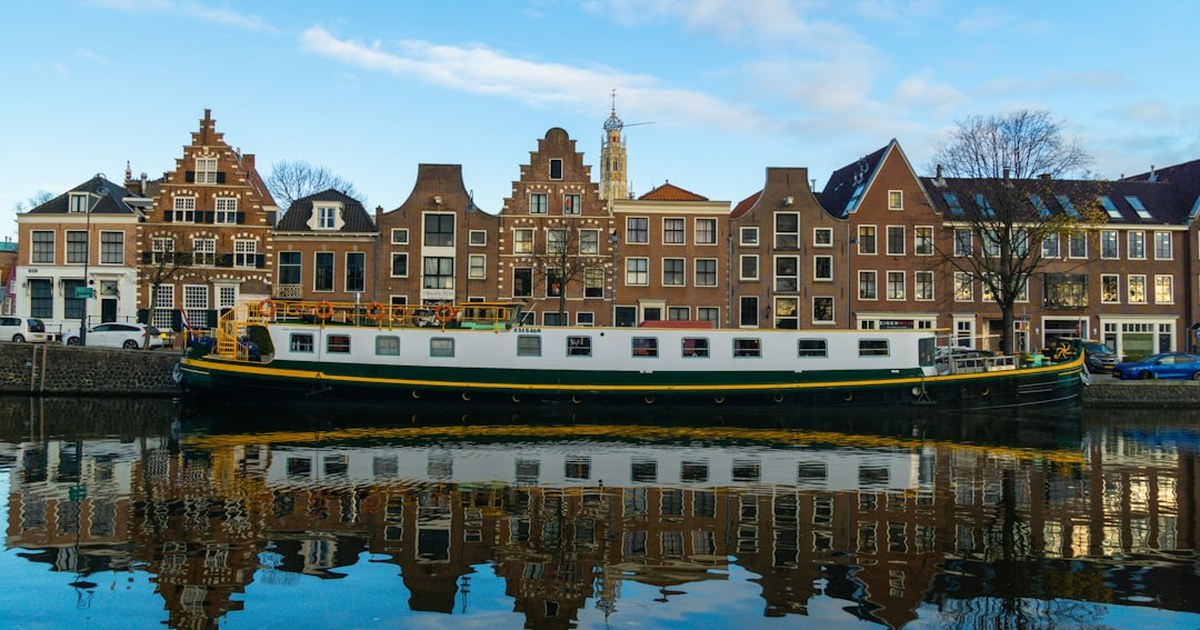
An introduction to Haarlem
Amsterdam gets the headlines and the queues, but twenty kilometres to the west, past flat polderland and the first low ridges of the dunes, sits a city that has been quietly extraordinary for the better part of eight centuries. Haarlem was already a prosperous cloth-trading town when Dutch painting was still inventing itself; it minted the fortune of Frans Hals, gave the world one of the greatest pipe organs ever built, and stored inside its almshouses and courtyards a kind of beauty that only patience and a good sense of direction can unlock. Today it remains stubbornly, gorgeously itself.
What strikes visitors first is the scale — or rather the lack of it. Haarlem’s historic centre is compact enough to cross on foot in twenty minutes, yet it is dense with things worth stopping for. The Grote Markt, the main market square, is one of the finest in northern Europe; the Frans Hals Museum holds civic-guard portraits of an ambition that still astonishes; and the Teylers Museum, the oldest in the Netherlands, sits beside the river Spaarne in a state of eighteenth-century perfection that no restoration has ever quite matched. Beyond the city limits, a national park of wild dunes and one of Europe’s most spectacular seasonal flower landscapes extend the visit beautifully.
There is also, simply, the pleasure of being in a Dutch city that has not adjusted itself for tourism. The Saturday market on the Grote Markt is for locals buying cheese and herring. The brown cafés serve beer to people who actually live around the corner. The hofjes — those hidden almshouse courtyards which are one of Haarlem’s most distinctive pleasures — are still quiet places, many of them still home to residents rather than exhibits. Treat them accordingly and they will repay you with an atmosphere of calm that feels genuinely timeless.
If you have been to the Netherlands before and loved it, Haarlem will feel like finally arriving somewhere real. If it is your first visit, be warned: it is entirely possible that you will never quite see Amsterdam in the same light again.
In this email:
- The Grote Markt and the Grote Kerk — Haarlem’s golden heart and its miraculous organ
- The Frans Hals Museum — the master of the loose brushstroke, in his own city
- Haarlem’s secret hofjes — the hidden courtyards behind the quiet gates
- Teylers Museum — the Netherlands’ oldest museum and one of Europe’s finest curiosity rooms
- Into the dunes and the Bollenstreek — the natural world at Haarlem’s door
- A weekend itinerary and where to stay
Best time to visit: April and May for the tulip fields, which peak in mid-April; late spring and early autumn are the finest seasons for the city itself; December is quietly lovely if you do not mind the cold and the early dark.
Travel logistics: Direct trains run from Amsterdam Centraal to Haarlem every ten minutes; the journey takes around fifteen minutes. From Schiphol Airport you will need to change at Amsterdam Sloterdijk, adding a few minutes, making Haarlem a perfectly sensible base for a wider regional stay. The historic centre is compact and best explored on foot, though a hire bicycle opens up the dunes and the bulb fields in a way that no bus quite replaces.
Continue reading with a Premium subscription
This is a Love Netherlands Sunday Premium guide. Premium subscribers receive the full article in their inbox every Sunday and unlock the full archive of past editions.
Become a Premium subscriber →Tours & experiences you might love


Powered by Viator. Some links are affiliate links — we may earn a small commission at no extra cost to you.