

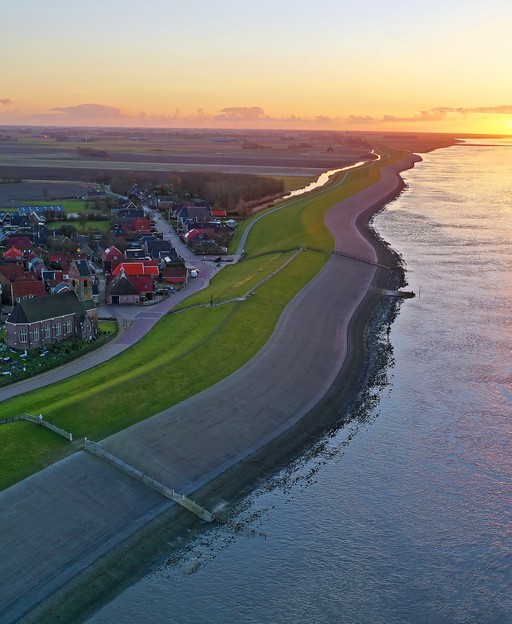
At low tide, the Wadden Sea does something extraordinary. The water pulls back. Where the North Sea once stretched, mudflats appear — kilometres of them, reaching toward islands you can almost touch from the shore.
That is when the Dutch put on their oldest shoes and start walking.
What Is Wadlopen?
Wadlopen — literally “mudflat walking” — is the Dutch tradition of crossing the exposed tidal flats of the Wadden Sea on foot. Guided groups set out from the Frisian and Groningen coast, walk across the seabed, and reach uninhabited islands hours later.
The Wadden Sea is a UNESCO World Heritage Site. Its tidal flats, salt marshes, and creeks have been shaped over millions of years. At high tide, you see open water. At low tide, you see the floor of it.
In the Netherlands, people walk on it. And they have done so for a very long time.
Where the Walks Begin
Most wadlopen tours depart from two bases on the northern coast.
Wadloopcentrum Pieterburen sits in the small Groningen village of Pieterburen. It is the oldest and most established centre for guided walks. Tours run from May to September, with options from short introductory walks to multi-hour crossings to the outer islands.
Across the border in Friesland, Dijkstra’s Wadlooptochten runs walks from Holwerd and Wierum — villages that have been sending walkers out to the flats for generations. Wierum itself sits on the dike, looking out at the sea that retreats every single day.
Going alone is illegal and genuinely dangerous. The tide returns quickly, and the creeks that cut through the mud can fill faster than you expect. All licensed centres use experienced guides who know the tidal patterns well.
What You Actually Walk Through
The first thing you notice is the sound. Mud squelches under every step. The second is the smell — salt, sea, and something ancient that has been here long before the first Dutch dike was built.
The flats are not flat. Sand ridges alternate with soft, wet channels. In places you wade to your knees. Your boots fill immediately. Many walkers go barefoot by choice once the mud takes hold.
The horizon keeps shifting. An island that looked close from the dike seems to drift further as you walk. Seabirds wheel overhead. Seals surface in the remaining channels to watch.
By the time you reach the island — or turn back before the tide — you are covered in mud, slightly dazed, and completely alive.
Enjoying this? Get stories like this every week from Love Netherlands — Subscribe free →
A Very Dutch Kind of Challenge
Organised wadlopen took off in the 1960s. Before that, fishermen and farmers had crossed the flats for centuries — reaching islands, checking traps, and reading the tides the way others read road signs.
By the 1980s, hundreds of thousands of Dutch people had tried it. Today, it remains one of those experiences passed between generations. Parents bring children who once watched their own parents go. School groups arrive from across the country.
The Dutch have a complicated relationship with the sea — shaped by centuries of holding it back and reclaiming land from it. Why a third of the Netherlands was once the bottom of the sea tells that remarkable story.
Wadlopen is the other side of that relationship. Not fighting the sea, but walking into it.
How to Plan Your First Walk
Tours fill early in summer, so book ahead. For a first experience, a short guided walk of two to three hours is the best starting point. You cross to a sandbank or tidal flat and return before the tide turns.
Longer crossings run five to eight hours and finish on an inhabited island — with a ferry back to the mainland. These walks need reasonable fitness and a strong willingness to get very muddy.
Bring old clothes, a waterproof bag, water, and snacks. Leave your best shoes at home. Children from about six years old can join most introductory walks — each centre lists age guidance for longer crossings.
Friesland is worth exploring beyond the coast too. Half a million people in this province still speak a language older than Dutch itself — something most visitors never expect. Our start here guide is the best place to plan the rest of your trip.
Frequently Asked Questions
When is the best time to do a wadlopen walk in the Netherlands?
The season runs from May to September. Late summer — July and August — offers the warmest conditions and the longest windows between tides. Book early, as popular tours sell out quickly at peak times.
Is wadlopen safe for beginners?
Yes, when done with a licensed guide. Solo walks across the Wadden Sea are prohibited and genuinely dangerous. Licensed centres use experienced guides who know the tidal patterns and the creeks that fill quickly when the tide turns.
How fit do you need to be for a wadlopen tour?
For a short introductory walk of two to three hours, average fitness is enough. Longer crossings to the outer islands need more endurance. Most operators list fitness requirements clearly when you book.
Are wadlopen tours available in English?
Most tours run in Dutch. Some centres offer English-language walks or can arrange an English-speaking guide for groups. It is worth asking when you book, especially for the summer months.
There is something quietly remarkable about standing on the seabed of the North Sea, watching the tide that shaped the Netherlands begin its return. The Dutch have held the water back for a thousand years. Wadlopen is a reminder that it was always here first — and that it is worth meeting on its own terms.
Love Netherlands — Free Every Week
Canal towns, hidden villages, Dutch stories. A free letter about the Netherlands — written slowly, delivered weekly.
Love more? Join 64,000 Ireland lovers → · Join 43,000 Scotland lovers → · Join 30,000 Italy lovers →
Free forever · One email per week · Unsubscribe anytime
Tours & experiences you might love


Powered by Viator. Some links are affiliate links — we may earn a small commission at no extra cost to you.