

Some people visit the Netherlands for the tulips. Others go for the museums. You are going for something more personal: your family.
This Dutch heritage itinerary gives you a clear plan for five days. You will visit the archives that hold your ancestors’ records. You will walk the streets they once walked. You will come home knowing more about who you are and where you came from.
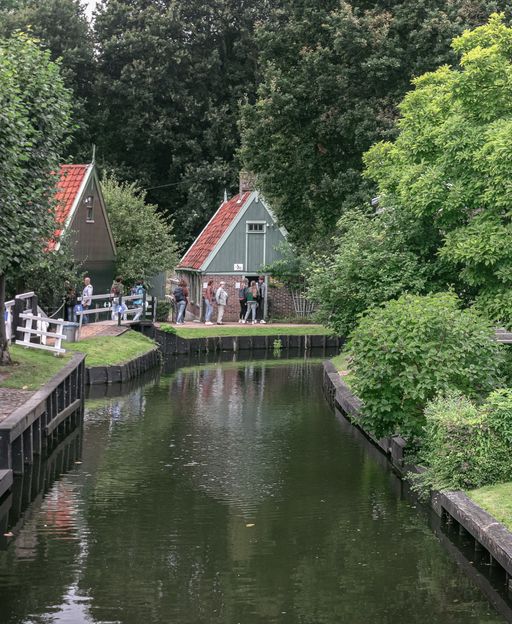
Whether your family left the Netherlands two generations ago or two centuries ago, this plan works for you. Prepare well, stay flexible, and expect surprises.
Before You Travel: Start Your Research at Home
Do not arrive in the Netherlands unprepared. Give yourself two weeks of research before you go.
Start with WieWasWie.nl. This free website holds Dutch civil records from 1811 onwards. You can search by surname and find births, marriages, and deaths. Write down every name and date you find.
Next, check FamilySearch.org. Volunteers and researchers digitised millions of Dutch records here. You can often find pre-1811 church records for free.
Then find your ancestral gemeente (municipality). Your family likely came from one specific town or area. Knowing this before you travel saves enormous time in the archives.
Read our complete guide to tracing your Dutch ancestry before you book your flights. It covers every major archive, record type, and research strategy you need.
Write down the following before you leave home:
- Every ancestor’s name and birth year you have found
- Their likely gemeente or province
- Any ship names or port records from migration records
- The CBG archive appointment reference number (book ahead)
Day 1: Amsterdam – Your Gateway to the Dutch Past
Fly into Amsterdam Schiphol. Take the train directly to the city centre. Do not hire a car on Day 1. Amsterdam rewards those who walk.
Morning: The Amsterdam City Archives
The Stadsarchief Amsterdam occupies Vijzelstraat 32, a short walk from the canal ring. You do not need an appointment for a standard visit. Register at the front desk and ask for a reader’s card.
The archive holds Amsterdam municipal records going back hundreds of years. If your ancestors lived in or passed through Amsterdam, you will find them here. The city attracted workers and traders from every Dutch province — and from across Europe.
Spend two to three hours searching. Ask the archivists for guidance. Dutch archivists speak excellent English and they genuinely enjoy helping international researchers.
Afternoon: Walk the Historic Canals
After the archive, take two hours to walk the Jordaan neighbourhood. Working families lived here for centuries. Many Dutch emigrants grew up in communities like this one.
Walk along Prinsengracht and Keizersgracht. Look at the gabled facades of the canal houses. Your ancestors saw streets like these every day. The scale has not changed much.
Stop at the Westerkerk church on Prinsengracht. Rembrandt lies buried here. The church also held detailed baptism records from the 17th century — records that may include your own family line.
Evening: Plan Day 2
Check into your Amsterdam accommodation. Choose a hotel or apartment in the Jordaan or near Centraal Station for easy transport access tomorrow.
Review what you found in the archives. Update your notes. Plan your train route to The Hague for tomorrow morning. The journey takes under an hour from Centraal Station.
🇳🇱 Enjoying this? Netherlands lovers get stories like this every week. Subscribe free →
Day 2: The Hague – The Heart of Dutch Family History
Take the intercity train from Amsterdam Centraal to Den Haag Centraal. The Hague holds the two most important heritage institutions in the country. You need a full day here.
The CBG: Centre for Family History
The CBG (Centrum voor Familiegeschiedenis) stands at Prins Willem-Alexanderhof 22. This is the national centre for Dutch genealogy research. It holds collections that no other institution in the world can match.
Book your appointment before you travel. Contact the CBG at [email protected] at least two weeks in advance. Walk-in research access is limited and appointments fill quickly during summer months.
The CBG holds:
- Millions of indexed genealogy records from across the Netherlands
- Pre-civil registration church records (before 1811)
- Dutch colonial records including VOC and KNIL service records
- Migration records to the USA, South Africa, Australia, and Indonesia
- Heraldic and surname history collections
Allow three to four hours here. The research staff speak fluent English and they know their collections deeply. Describe what you are looking for and they will point you in the right direction.
The National Archive
A short walk from the CBG, the Nationaal Archief holds government, court, and military records. If your ancestor served in the Dutch military or worked for a government institution, you may find them here.
The National Archive is particularly valuable for tracing Dutch-Indonesian heritage. The colonial government kept detailed personnel records for civil servants and military staff in the Dutch East Indies.
Day 3: Travel to Your Ancestral Province
Today you leave the major cities. You head for the area your family actually came from.
Which Province Should You Visit?
If you completed your pre-trip research, you already know which province to visit. If not, these pointers will help:
- Afrikaner or South African heritage? Your ancestors likely left from Holland (South Holland or North Holland) or Zeeland. Most 17th and 18th-century VOC settlers departed from those coastal provinces.
- Dutch-American (Michigan, Iowa, or New Jersey)? Look towards Zeeland, South Holland, and Friesland. The 1840s and 1850s emigration waves brought large Reformed communities from those areas to America.
- Dutch-Indonesian heritage? Colonial records often link families to Holland, Utrecht, and Gelderland.
- No specific lead? Go to Utrecht. It sits at the geographical heart of the Netherlands and it links easily to six other provinces by train.
We cover every province in detail on this site. Read our dedicated guides for Friesland, Gelderland, and Utrecht before you travel.
Arriving in Your Ancestral Region
Take the train to the provincial capital or directly to a smaller town if you know it. The Dutch rail network covers the whole country efficiently. Most towns of any size have a station.
Book accommodation close to the town your family came from. Spend the afternoon walking the streets. Look for your family name on street signs, local businesses, or church memorials. You may find more than you expect.
Many visitors feel a strong emotional response when they walk into a Dutch village for the first time. They expected to feel like tourists. They end up feeling like they came home.
Day 4: Village Archives and Family Graves
Most heritage visitors remember Day 4 most clearly. This is the day research becomes real.
Finding Your Local Archive
Every Dutch municipality runs either its own Gemeentearchief or shares access to a regional archive. Search online for “[your gemeente] gemeentearchief” to find the nearest one. Call ahead the day before to confirm opening hours.
Local archives typically hold:
- Birth, marriage, and death registers from 1811
- Church records going back to the 1600s
- Land ownership records and property transfers
- Population registers (bevolkingsregisters) from the 1850s onwards
Population registers are especially valuable. They list every household member with ages, relationships, and often parents’ names. You can trace a family through three or four generations in a single afternoon.
Finding Family Graves
Dutch cemeteries (begraafplaatsen) often date back several centuries. Reformed Protestant and Catholic communities developed separate burial grounds, reflecting the deep religious divide in Dutch history.
Search Online Begraafplaatsen (www.online-begraafplaatsen.nl) before your visit. This free database holds records from hundreds of Dutch cemeteries. Search by surname and find the exact location of a grave.
Standing at a family grave changes something. You move from reading names on a screen to standing in a real place. Many visitors describe this as the emotional centre of their whole trip.
Photograph every headstone you find. Note all dates. Look for names you recognise from your earlier research — and names you do not yet recognise.
Day 5: Return to Amsterdam and Carry It Home
Travel back to Amsterdam on your final day. Allow yourself some time to process everything you discovered.
Reflect and Fill the Gaps
You now have four days of research behind you. Spend your last morning at a café with your notes. What questions did you answer? What new questions opened up?
If the Amsterdam City Archives hold records you did not have time to examine on Day 1, return this morning for a final session. Many researchers find a second visit more productive than the first — because now they know what they are looking for.
Final Walks Through Amsterdam
Spend the afternoon as a visitor, not a researcher. Walk through De Pijp neighbourhood. Visit the Rijksmuseum if you have not already. Eat a stroopwafel at a market stall — the kind your great-grandparents ate too.
You carry the Netherlands inside you. You always have. Now you know more about why.
Practical Tips for Your Dutch Heritage Trip
Book archive appointments in advance. The CBG and many regional archives require bookings. Email at least two weeks before your visit. Some archives close for holidays at short notice — check their websites.
Learn ten Dutch phrases. Archive staff speak English, but a few words of Dutch open doors. “Dank u wel” (thank you), “goedemorgen” (good morning), and “kunt u mij helpen?” (can you help me?) all make a difference.
Take a notebook, not just a phone. Many older Dutch records do not photograph well under archive lighting. A notebook lets you copy information quickly and without fuss.
Buy an OV-chipkaart. This prepaid card works on all Dutch trains, trams, and buses. Load it at any station. It saves both money and queue time compared to buying single tickets.
Allow time for discovery. Your plan will change. An archivist may show you a collection you did not know existed. A cemetery may hold six generations of your family instead of two. Leave space in your schedule for the unexpected.
For diaspora travellers with specific backgrounds, we cover dedicated heritage routes. See The Dutch-American Homecoming for travellers from the United States, and The VOC Trail for those tracing Dutch-Indonesian family history.
Frequently Asked Questions
Do I need to speak Dutch to research in Dutch archives?
No. Most Dutch archivists speak excellent English. The major archives in Amsterdam and The Hague deal with international visitors every week. You can complete successful research without speaking any Dutch at all.
How far back do Dutch civil records reach?
Dutch civil registration began in 1811. Church records extend further back — sometimes to the 1600s. Completeness varies by province and religion. Reformed church records are generally more complete than Catholic records from before 1811. The CBG can advise you on specific record availability for your ancestral region.
Can I find which Dutch town my family came from if I only know the country?
Yes, often. Start with WieWasWie.nl using your family surname. The database returns results sorted by region. Even common Dutch surnames show geographical clustering. Rarer surnames can point directly to a single gemeente within a few searches.
Is five days long enough for Dutch heritage research?
Five days is a solid starting trip. You will not answer every question, and you should not expect to. Most heritage visitors return to the Netherlands a second or third time, each trip building on discoveries from the last. The important thing is to go.
What should I bring to the archives?
Bring a valid photo ID, a notebook and pen, a pencil (some archives require pencils near documents), your list of ancestor names and dates, and a charged phone for photographs. Check the archive’s own guidelines when you book your appointment — rules vary between institutions.
You Might Also Enjoy
Deepen your Dutch heritage journey with these related guides:
- How to Trace Your Dutch Ancestry – Step-by-Step Guide (2026) – A complete roadmap for researching your Dutch family history, from WieWasWie to the CBG.
- Uncover Your Dutch Heritage – An introduction to the emotional and practical journey of rediscovering your Dutch roots.
- The Dutch-American Homecoming: From New York to Old Holland – A dedicated itinerary for Dutch-Americans tracing their family history from the Americas back to the Netherlands.
Join Netherlands Lovers
Every week, discover the Netherlands beyond the tourist trail — hidden villages, local recipes, cycling routes, and travel insights you won’t find in any guidebook.
Subscribe free — enter your email:
Already subscribed? Explore our archives for more hidden Dutch gems.
Love more? Join 64,000 Ireland lovers → · Join 43,000 Scotland lovers → · Join 30,000 Italy lovers →
Free forever · One email per week · Unsubscribe anytime
Ready to start planning? Visit our Start Here page for everything you need to plan your Netherlands trip, from practical travel tips to the best routes through the country.
Tours & experiences you might love


Powered by Viator. Some links are affiliate links — we may earn a small commission at no extra cost to you.