

De Hoge Veluwe National Park is the largest national park in the Netherlands, and it rewards every visitor who makes the trip. Set in the heart of Gelderland, this 5,500-hectare landscape of pine forests, shifting sand dunes and purple heathland is unlike anything else in the country. It also holds one of Europe’s great art secrets: the Kröller-Müller Museum, home to the world’s second-largest collection of Van Gogh paintings. Add a fleet of free white bicycles and you have a day out that stays with you long after you return to Amsterdam.
Love the Netherlands? Join our free newsletter for hidden Dutch gems → inlovewithnetherlands.com/subscribe
What Makes De Hoge Veluwe National Park Special?
The Netherlands is flat, tidy and densely populated. De Hoge Veluwe is none of those things. Ridges of glacial moraine push the landscape into gentle hills. Open heathland stretches to every horizon in late summer, turning violet with heather in August and September. Ancient drifting sands — the Kootwijkerzand — form pale dunes right in the middle of the park, a reminder that much of this land was once bare and shifting.
The park takes its name from the Veluwe region, a large natural area stretching across central Gelderland. Hoge means “high” — the terrain here sits noticeably higher than the flat polders to the west. Industrialist Helene Kröller-Müller and her husband Anton assembled this land in the early twentieth century. They bought up farms and estates, reforested sandy wasteland and built one of the Netherlands’ finest private art collections on these grounds. In 1935 they gave both the park and the museum to the Dutch state.
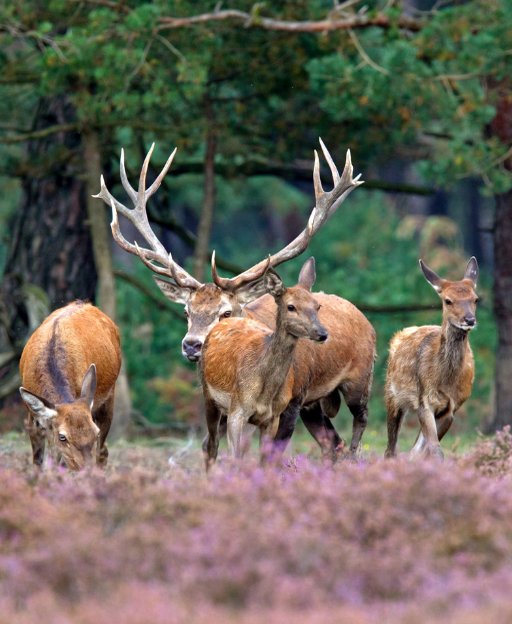
Today the park protects a rich mix of habitats. Red deer roam the forest edges at dawn and dusk. Wild boar root through leaf litter on autumn mornings. Mouflon sheep — a curly-horned breed introduced decades ago — appear on the heathland as reliably as any attraction on the itinerary. The wildlife-watching alone justifies an early start.
The Kröller-Müller Museum: Van Gogh in the Forest
The Kröller-Müller Museum sits inside the park, a forty-minute cycle from the main entrance. The building blends into the treeline, low and understated, which makes the collection inside all the more startling. The museum holds 93 paintings by Vincent van Gogh — more than any institution in the world except Amsterdam’s Van Gogh Museum. You find intimate works here that rarely appear in reproductions: the Café Terrace at Night series, studies from his time in Nuenen, and canvases from his productive months in Arles.
The sculpture garden behind the museum is Europe’s largest, covering 25 hectares of parkland. Works by Auguste Rodin, Barbara Hepworth, Jean Dubuffet and Marta Pan stand among trees and open grass. Visitors wander between them at their own pace, with no queues and no glass between them and the art. Few museums in Europe offer this.
Entry to the Kröller-Müller Museum is included in the park ticket — there is no separate admission to pay. Check the museum’s opening hours before you visit, as these occasionally differ from the park’s own hours.
🇳🇱 Join our free newsletter — Dutch secrets every week →
The White Bicycle Scheme
De Hoge Veluwe provides free white bicycles to every visitor. Guests collect one at any entrance gate, ride it anywhere in the park and return it when they leave. The bikes are sturdy, well-maintained and plentiful, even at peak summer. Over 1,750 white bicycles circulate through the park at any given time.
Cycling is the best way to cover the park’s 42 kilometres of dedicated cycling paths. The distance from the main Visitors Centre to the Kröller-Müller Museum is about 7 kilometres — a comfortable twenty-minute ride through forest and heath. Most visitors cycle to the museum, spend two to three hours inside, continue to the sculpture garden, then loop back through the sand dunes before returning their bike at the gate.
If you visit with young children, bring a child seat or arrange a cargo bike in advance — the park does not provide them. Standard adult and children’s bikes are available at every gate without reservation.
Wildlife and Landscape: What to Look For
The park divides roughly into four landscape types, each worth seeking out. The pine forests dominate the northern section and feel hushed even on busy summer days. The heathland opens up in the south and centre — arrive in August for the full purple bloom of flowering heather. The Kootwijkerzand sand dunes in the south-east look startlingly Saharan, with pale sand paths winding between sparse grasses. The Jeneverbessenbos, or juniper forest, grows in one corner and shelters some of the rarest plant species in the Netherlands.
Red deer are active around dawn and dusk, particularly in September and October during the rut. This is when stags roar across the heath — the sound carries enormous distances on still autumn mornings. Wild boar are present year-round but harder to spot; they forage most actively near dawn. The park’s observation hides give patient visitors the best chance of sightings.
The St. Hubertus Hunting Lodge stands in the heart of the park, a striking Art Deco building that architect Hendrik Petrus Berlage designed between 1914 and 1920. Tours run on certain days; the exterior alone — with its rooftop antler motifs and richly detailed brickwork — makes it worth cycling past. The lodge was the private home of Helene Kröller-Müller, and its rooms connect directly to the themes of the museum she built nearby.
Getting to De Hoge Veluwe National Park
The park sits roughly 100 kilometres east of Amsterdam, between Arnhem and Apeldoorn. From Amsterdam Centraal, take the train to Arnhem — direct services run in about 55 minutes. From Arnhem station, Connexxion bus 105 connects to the park’s main entrance near Otterlo, and the Schaarsbergen gate is accessible by a different service from the south side. Always check current timetables before you travel; bus frequency varies by season.
Driving offers the most flexibility, particularly for families. Ample car parking sits at each entrance gate. Entrance gates open at 08:00 and close at times that vary by month — in summer the park stays open until 22:00, while winter closings can be as early as 17:30. Always check the official park website for current opening times before you set off.
Several tour operators run day trips from Amsterdam that combine transport with a guided walk or cycle through the park. These suit visitors who want natural history commentary alongside the sightseeing.
The park has three entrance gates: Hoenderloo in the north, Otterlo in the west and Schaarsbergen in the south. The Schaarsbergen gate is closest to Arnhem and easiest to reach by public transport. The Visitors Centre sits near the centre of the park, roughly equidistant from all three gates.
Planning Your Visit to De Hoge Veluwe
The park works best as a full-day trip. Budget at least four hours if you plan to cycle to the Kröller-Müller Museum and back, and add another two hours if you want to explore the sculpture garden properly. Half-day visits work if you skip the museum and focus on a single landscape type.
Buy tickets at the entrance gate or book online in advance. The combined park-and-museum ticket covers entry for the whole day and includes the free bicycle. A café and restaurant operate at the Visitors Centre; a second café sits near the Kröller-Müller Museum.
Bring layers even in summer — the park’s open heathland and sand dunes expose visitors to wind, and temperatures drop quickly if cloud rolls in from the west. Sunscreen matters too; the dunes offer almost no shade at midday. Sturdy walking shoes or trainers make exploring the sandy paths and forest trails more comfortable than city shoes.
Weekends in July and August bring the biggest crowds. Arriving before 09:30 gives you the park largely to yourself for the first few hours, which also increases your chances of spotting wildlife before the midday heat quietens the animals. Weekday visits in late August, when the heather reaches full bloom, are particularly special.
If you plan to visit Arnhem on the same day, the combination works very well. Arnhem sits just 20 minutes from the Schaarsbergen entrance and offers excellent restaurants, the Airborne Museum at Oosterbeek, and the OpenAir Museum — the Netherlands’ finest collection of historic Dutch farmhouses and village buildings transported from across the country. Pairing Arnhem with the park makes for one of the best full-day itineraries in the eastern Netherlands.
The Twente region lies about an hour further east and makes sense as an overnight addition if you want to explore the rural east of the Netherlands over two days rather than one long dash from Amsterdam.
Frequently Asked Questions About De Hoge Veluwe National Park
Is De Hoge Veluwe National Park worth visiting?
Yes — the park offers far more than a single attraction. The combination of a world-class art museum, free bicycles, dramatic landscapes and abundant wildlife makes De Hoge Veluwe one of the most rewarding day trips anywhere in the Netherlands. It suits nature lovers, art enthusiasts and families equally well, and it feels genuinely different from anything else in the country.
When is the best time to visit De Hoge Veluwe National Park?
Late August through October is the highlight season. The heather turns purple across the heathland in August and September, while October brings autumn colour in the forests and the dramatic red deer rut — stags roar at dawn and dusk from mid-September onwards. Summer visits work well for cycling and museum trips, with long opening hours and dry weather. The park opens year-round; even winter brings a quiet beauty when frost covers the sand dunes.
How do I get to De Hoge Veluwe National Park from Amsterdam?
Take the direct train from Amsterdam Centraal to Arnhem, which takes approximately 55 minutes. From Arnhem station, take Connexxion bus 105 towards the park. By car, the journey takes around 70 minutes via the A1 motorway, and car parks sit at all three entrance gates. No internal cars are permitted inside the park — this is what keeps it so peaceful.
Do I need to book De Hoge Veluwe tickets in advance?
Advance booking is not essential, but it saves time at the gate on busy summer weekends. Book tickets online via the park’s official website or pay at the entrance on arrival. White bicycles require no advance reservation and are available at all gates while stocks last — arrive early on peak summer weekends to secure one without waiting.
You Might Also Enjoy
- Arnhem: A Day Trip from Amsterdam Worth Taking — the gateway city to De Hoge Veluwe, with the Airborne Museum and one of the Netherlands’ great open-air heritage sites.
- Twente: The Netherlands’ Green and Gentle East — Saxon farmsteads, wooded estates and the rural east of Overijssel, an hour beyond the park.
- Best Beaches in the Netherlands — for when you want open water rather than open heathland after your park visit.
Plan Your Netherlands Trip
Ready to explore more of the Netherlands beyond Amsterdam? Our Start Here guide brings together the best itineraries, city guides and practical travel advice for planning a memorable trip — from the tulip fields to the Zeeland coast.
Join Netherlands Lovers
Every week, discover the Netherlands beyond the tourist trail — hidden villages, local recipes, cycling routes, and travel insights you won’t find in any guidebook.
Subscribe free — enter your email:
Love more? Join 64,000 Ireland lovers → · Join 43,000 Scotland lovers → · Join 30,000 Italy lovers →
Free forever · One email per week · Unsubscribe anytime
Tours & experiences you might love


Powered by Viator. Some links are affiliate links — we may earn a small commission at no extra cost to you.