

Your great-grandparents may have farmed the same plot of land for generations. Their children may have sat in the same village church. Their surnames may still appear on graves in a quiet Drenthe churchyard. This province in the northeast of the Netherlands is one of the best places in the country to trace Dutch family roots — and one of the least visited by people who are looking.
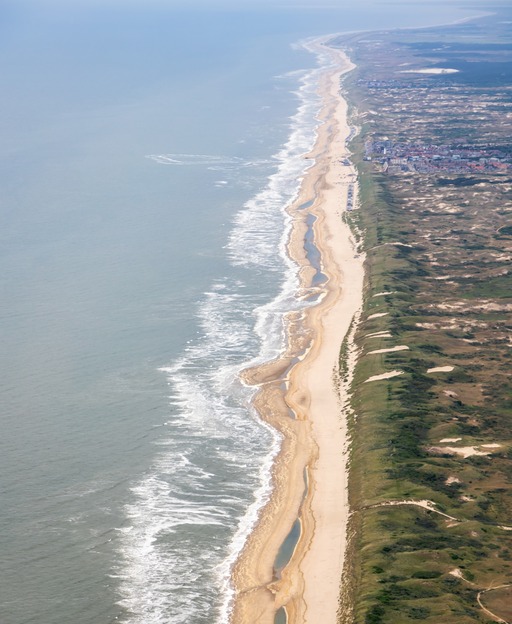
Drenthe is not a famous province. It has no major port city. It never drove the Dutch Golden Age in the way Amsterdam or Middelburg did. But it has something those cities lost long ago: continuity. Families stayed here. Records survive. The land itself still looks much as it did two hundred years ago. If your family came from Drenthe, this guide will help you find them.
Why Drenthe Is Different for Heritage Seekers
Drenthe is the oldest inhabited part of the Netherlands. People have lived here for more than 5,000 years. The proof stands in open fields across the province. There are 54 hunebedden — massive stone monuments built by early farmers around 3400 BCE. No other Dutch province has anything like them.
For most of Dutch history, Drenthe was isolated. The land was poor and boggy. The cities were small. People lived in scattered farmsteads and villages. They did not move far. That isolation is exactly what makes Drenthe valuable for genealogy research today.
Families from Drenthe often kept the same surnames for centuries. They worshipped in the same Reformed or Catholic churches. They recorded births, marriages and deaths in the same registers. Many of those registers have survived, and many have been digitised. If your family name appears in the Dutch surnames of Drenthe, you have a strong starting point.
Drenthe Surnames and What They Tell You
Drenthe surnames often reflect the land and the people who worked it. Many are occupational: De Boer (the farmer), Smit (the blacksmith), Bakker (the baker). Others come from geography: Van den Berg (from the hill), Veen (from the peat bog), Molen (near the mill).
Low Saxon influence is strong here. Drenthe sits at the edge of the Saxon dialect zone. Surnames such as Knol, Homan, Evers, Hoiting and Poelman are closely tied to this part of the Netherlands. You will not find these names in high concentration anywhere else in the country.
Some Drenthe families took names from their home village when the Dutch government required fixed surnames in 1811. Names like Zwiers, Kolk, Veenhof and Bouwman are strongly linked to Drenthe communities. If your family carries one of these, Drenthe is where to start your search.
For a full breakdown of origins and regional distributions, read our guide to Dutch surnames of Drenthe. It covers more than forty names with their meanings and migration patterns.
Where to Find Drenthe Family Records
The most important resource for Drenthe genealogy is the Drents Archief in Assen. This is the provincial archive for Drenthe. It holds civil registration records from 1811, church books from much earlier, notarial records, land deeds and maps. Many items have been digitised and are available online, but the archive staff can help you find material that has not yet been scanned.
Online, start with WieWasWie.nl. This free portal gives you access to digitised civil records from across the Netherlands. For Drenthe, you will find births from 1811 to around 1900, marriages from 1811 to around 1935, and deaths from 1811 to around 1950. The exact years available vary by municipality.
For records before 1811, you need the church books. Most Drenthe communities were Dutch Reformed. Their registers go back to the late 1600s in many villages. Catholic records are also preserved, mainly from the southern municipalities. These are held at the Drents Archief and many have been indexed by volunteers.
FamilySearch has a growing collection of Dutch records. Search for Drenthe specifically under its Netherlands holdings. You will find indexed records alongside scanned originals that you can browse page by page.
The CBG Centrum voor Familiegeschiedenis in The Hague is the national family history centre. It holds the largest genealogical library in the Netherlands. If you cannot visit, their researchers can assist by post or email.
🇳🇱 Enjoying this? Netherlands lovers get stories like this every week. Subscribe free →
Planning Your Heritage Visit to Drenthe
Assen is the provincial capital and your most useful base. It has the Drents Archief and the Drents Museum, which covers the history of the province from prehistoric times to the present day. From Assen, you can reach most Drenthe villages within thirty minutes by car.
Drenthe is not well connected by train to smaller villages. If you plan to visit your family’s ancestral village, you will need a car. The province is flat and easy to drive. Roads through the countryside pass through forests, across heathland and alongside canals that were once used to move peat.
Book at least two days in Drenthe if you want to combine archive research with visiting the landscape. Three days gives you time to explore more slowly. For a fuller Dutch roots journey, you can extend your trip to neighbouring provinces. Read our guides on tracing your family in Groningen and tracing your family in Overijssel to plan the wider region.
Heritage Sites to Visit in Drenthe
The Nationaal Hunebedden Informatiecentrum in Borger is the best place to understand the ancient history of the province. The information centre sits next to the largest hunebed in the Netherlands — a stone tomb built 5,400 years ago. It puts your family’s long connection to this land in perspective. The Dutch people who became your ancestors lived near monuments already thousands of years old.
The Drents Archief in Assen is open to the public on weekdays. You can book a research visit in advance. The staff are helpful and experienced with international heritage researchers. Bring any names, dates or village names you already have. The more specific your starting point, the further you can go in a single visit.
The Openluchtmuseum Ellert en Brammert near Schoonoord is an open-air museum showing how Drenthe people lived from the Middle Ages onwards. You will see farmhouses, peat workers’ cottages and Saxon-style buildings. It gives you a visual sense of the world your ancestors inhabited.
The village of Orvelte is a living museum village. It has been preserved as it looked in the nineteenth century. Walking through it, you see the houses, churches and farms your family may have known. It is one of the most atmospheric heritage destinations in the Netherlands.
If your family was connected to the peat industry, the village of Valthermond shows you the straight-dug canals and long plots of a traditional veenkolonie (peat colony). Many Drenthe workers lived in these canal colonies in the eighteenth and nineteenth centuries.
A 3-Day Drenthe Heritage Itinerary
Day 1 — Arrive and Research
Arrive in Assen and check into your accommodation. Spend the afternoon at the Drents Archief. Book your research slot in advance. Bring your family notes and focus on civil registration records first. In the evening, walk through central Assen and visit the Drents Museum if time allows.
Day 2 — Into the Villages
Drive to your ancestral village or the nearest town to it. Find the church, the old cemetery and any remaining farmsteads. Visit Borger in the afternoon for the Hunebedden Information Centre and the largest stone monument. Head back via Orvelte to walk through the preserved village at dusk.
Day 3 — Peat Country and Departure
Drive east through the veenkolonies. Visit Valthermond and follow the long straight canal through the old peat fields. Stop at the Ellert en Brammert open-air museum before heading back to Assen or on to your next destination. If you are continuing your Dutch roots journey, Groningen is one hour north.
For a broader trip covering multiple provinces, our guide to uncovering your Dutch heritage gives you the full picture of where to research and what to expect. You can also read about the VOC trail if your family history stretches further east into Dutch colonial history.
Drenthe’s Connections to the Dutch Diaspora
Drenthe families formed part of the Boer migration to South Africa. The seventeenth and eighteenth century settlers who became the Afrikaners came from across the Netherlands, and Drenthe contributed its share. If you are an Afrikaner researching your Dutch roots, surnames like De Boer, Smit and Van den Berg may lead you back to this province.
Dutch-Americans with roots in the Reformed tradition also trace lines back to Drenthe. The communities that settled in western Michigan and Iowa in the 1840s and 1850s came from across the Netherlands, including many from the northeast. If your family arrived in North America in that period, Drenthe is worth checking.
Frequently Asked Questions About Tracing Drenthe Roots
Where are Drenthe family records held?
The main archive is the Drents Archief in Assen. It holds civil registration records from 1811, church books from earlier centuries, and a wide range of notarial and land records. Many records are also available online through WieWasWie.nl and FamilySearch.
How far back can I trace a Drenthe family?
With civil records, you can usually trace a line back to around 1811. With church books, many Drenthe families can be traced to the late 1600s. In a few well-documented cases, researchers have found records going back to the early 1600s.
What are common Drenthe surnames?
Common surnames from Drenthe include De Boer, Smit, Bakker, Vos, Homan, Evers, Knol, Hoiting, Poelman, Kolk, Zwiers and Bouwman. Many Drenthe names reflect farming, the landscape or Low Saxon dialect roots. Our guide to Dutch surnames of Drenthe covers more than forty names in detail.
Do I need to speak Dutch to research at the Drents Archief?
No. The staff at the Drents Archief speak English and are used to helping international heritage visitors. Older records are in Dutch or earlier forms of Dutch, but the key information in civil records — names, dates, places — is straightforward to follow even without Dutch language skills.
Is Drenthe worth visiting just for heritage research?
Yes. Drenthe offers a combination of archive research, living history museums and prehistoric landscapes that you will not find anywhere else in the Netherlands. The province is unhurried and genuine. It rewards the visitor who takes time to explore slowly.
You Might Also Enjoy
Continue your Dutch heritage journey with these related guides:
- Tracing Your Family in Groningen: A Heritage Travel Plan — explore the province north of Drenthe, with its Saxon farmhouses and Groningen archives
- Dutch Surnames of Drenthe: Origins and Meanings — a deep dive into more than forty surnames connected to this province
- Uncover Your Dutch Heritage — a starting guide for anyone beginning their Dutch roots research
Join Netherlands Lovers
Every week, discover the Netherlands beyond the tourist trail — hidden villages, local recipes, cycling routes, and travel insights you won’t find in any guidebook.
Subscribe free — enter your email:
Already subscribed? Explore our archives for more hidden Dutch gems.
Love more? Join 64,000 Ireland lovers → · Join 43,000 Scotland lovers → · Join 30,000 Italy lovers →
Free forever · One email per week · Unsubscribe anytime
Plan Your Netherlands Trip
Ready to start planning your heritage journey? Visit our Start Here page for a complete guide to visiting the Netherlands — from the best time to travel to practical tips for getting around the provinces.
Tours & experiences you might love


Powered by Viator. Some links are affiliate links — we may earn a small commission at no extra cost to you.