
Your great-grandparents left Groningen a long time ago. They packed what they could, said goodbye to the flat fields and wide skies, and sailed away to South Africa, America, or Australia. Now it is your turn to go back. This guide will help you trace your Dutch family roots in Groningen — and plan a trip that means something.
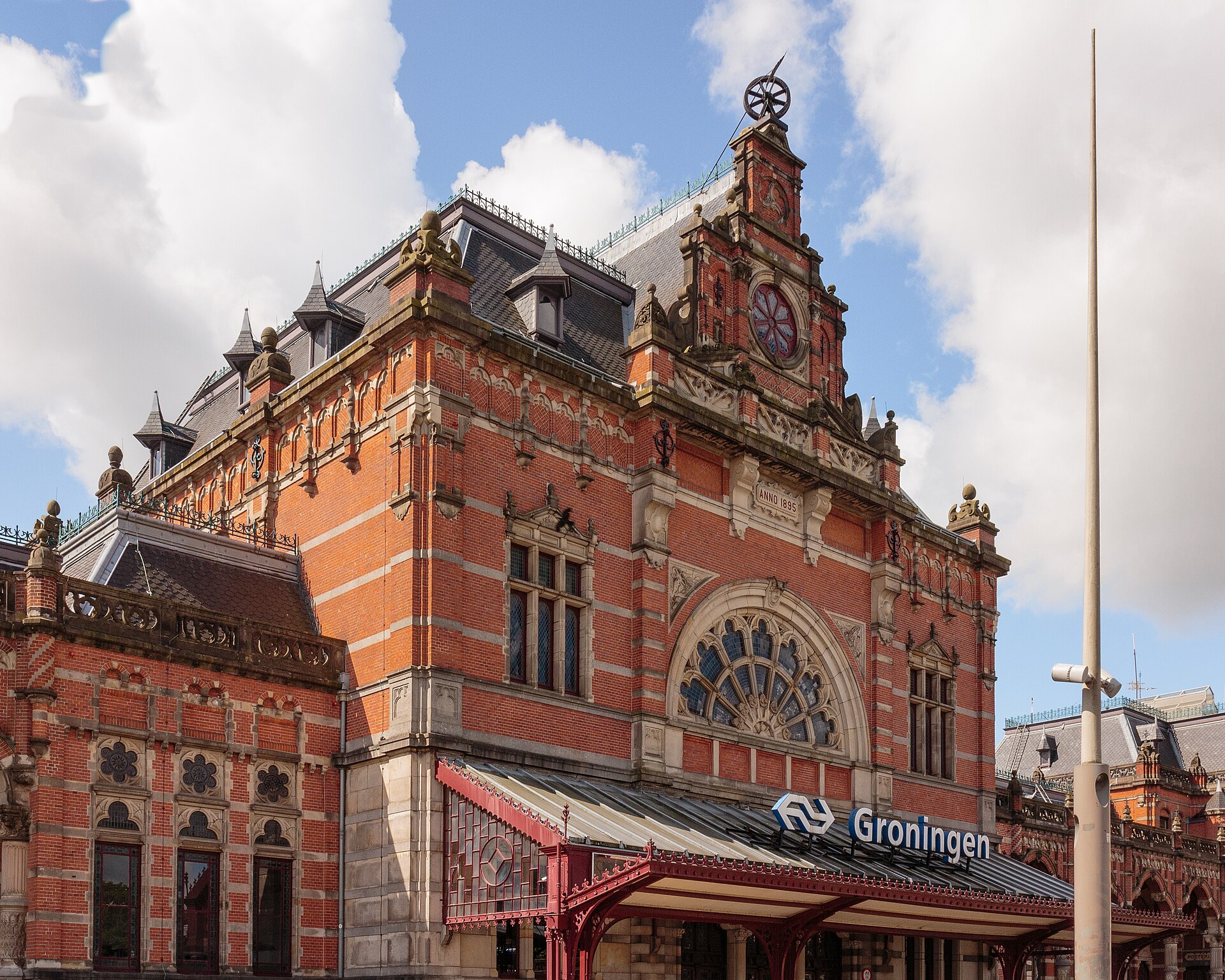
Why Groningen Matters for Dutch Heritage Research
Groningen is the northernmost province of the Netherlands. It sits at the edge of Europe, where the land meets the Wadden Sea. For centuries, its people lived by farming, trading, and seafaring. When times grew hard — and they often did — many of them left.
Thousands of Groningers emigrated to North America in the 19th century. Many settled in Michigan, Iowa, and South Dakota. Others went to South Africa, joining the Boer farming communities that shaped that country’s Dutch-speaking culture. Today, their descendants are spread across the world — and many of them want to find their way back to where it all started.
The good news: Groningen has excellent records. The province kept careful civil registers, church records, and municipal documents for centuries. Many of these are now digitised and searchable online. If your Dutch ancestry traces back to Groningen, you can find it.
Start your research before you travel. Read our full guide to tracing your Dutch ancestry step by step. Then come back here to plan the Groningen-specific part of your trip.
Before You Go: Researching Your Groningen Roots at Home
The best heritage trips start with homework. The more you know before you land, the more meaningful the visit will be.
Groninger Archieven
The Groninger Archieven is the main provincial archive. It holds civil registration records from 1811 onwards, church records going back to the 1600s, notarial records, and land registers. Much of this material is digitised. Search the online database at groningerarchieven.nl before you arrive. You can often narrow your search to a specific village or township.
WieWasWie.nl
WieWasWie.nl (Who Was Who) is the national Dutch genealogy database. It pulls records from archives across all provinces, including Groningen. Search for your family name and see what comes up. Birth records, marriage records, and death records are all here, often with linked family members. It is free to use.
Church Records
Civil registration only started in the Netherlands in 1811. Before that, churches kept the records. Most Groningers were members of the Dutch Reformed Church (Nederlands Hervormd). Catholic communities kept their own registers. These older records are held at the Groninger Archieven and are partially digitised. If your family left before 1811, this is where you look.
Know Your Groningen Surnames
Groningen surnames have a distinctive character. Many reflect the old Gronings dialect, a form of Low Saxon still spoken in parts of the province. Names ending in -sema, -ema, and -ma often show Frisian influence from the northern coast. Occupational names like Bakker (baker), Smit (smith), and Visser (fisherman) are common. So are place-based names like Van Dijk (from the dyke) or Veenema (from the peat). Read our detailed guide to Dutch surnames of Groningen to understand what your family name reveals about your ancestors’ lives.
🇳🇱 Enjoying this? Netherlands lovers get stories like this every week. Subscribe free →
Heritage Highlights in Groningen
Once you know which village or town your family came from, plan your visits around those specific places. But there are some sites that every Dutch ancestry Groningen visitor should see.
Groninger Archieven (In Person)
The archive reading room is in the city of Groningen. You can visit in person to consult original documents, speak with genealogy staff, and access records not yet available online. Bring the names and dates you have already found. The staff can often point you to records you did not know existed. Book a visit in advance at groningerarchieven.nl.
The Martinitoren
The Martini Tower stands in the centre of Groningen city. It is 97 metres tall and dates from the 15th century. Your ancestors would have seen this tower every market day. Climb to the top and look out over the flat province stretching in every direction. On a clear day you can see for miles. It is a moment that makes the past feel very close.
Fort Bourtange
Fort Bourtange is one of the most remarkable places in the Netherlands. Built in 1593 in the shape of a five-pointed star, it was a key military stronghold on the eastern border of Groningen. It has been preserved almost exactly as it was. Walking through its gates, you are walking through the same entrance your ancestors knew. It sits about an hour’s drive from Groningen city, near the German border.
The Ommelanden Villages
The Ommelanden is the name for the rural land surrounding Groningen city. It is here that most heritage visitors find their family roots. Small villages like Appingedam, Delfzijl, Middelstum, and Winsum all have long histories and intact church records. Many also have local historical societies willing to help visiting descendants. Go slowly. Walk the village churchyard. Read the stones.
Groningen’s Terpen
The terpen are ancient man-made mounds built by the earliest Groningers to keep their homes above floodwater. Many villages still sit on top of them. Visiting a terp village is a way of touching the oldest layer of Groningen history. The village of Ezinge, with its raised profile and old church, is one of the best examples to visit.
A 3-Day Heritage Itinerary for Groningen
This itinerary works best if you already know which area your family came from. Adjust it to fit your specific ancestry. For a broader trip covering several provinces, see our 5-day Dutch heritage itinerary.
Day 1: Arrive in Groningen City
Fly into Amsterdam Schiphol and take the direct train to Groningen. The journey takes about two hours. Check into your accommodation in the city centre. In the afternoon, walk to the Martinitoren and climb to the top. In the evening, find a traditional Gronings pub and order a local beer. Ask the locals about their province. They are proud of it.
Day 2: Archives and Ancestral Town
Start early at the Groninger Archieven. Bring your prepared notes — names, dates, and villages. Allow three to four hours. After lunch, drive or take a bus to your ancestral village in the Ommelanden. Find the old church. Look at the churchyard. Ask at the village hall or local museum whether they keep historical records. Many do. Return to Groningen city for dinner.
Day 3: Fort Bourtange and the Veenkoloniën
Drive east to Fort Bourtange. Spend a morning exploring the fortress and the small museum inside. In the afternoon, pass through the Veenkoloniën — the peat colony region of eastern Groningen. This area was developed in the 17th and 18th centuries. Many poor families moved here to work the peat bogs. If your family name appears in Veendam, Stadskanaal, or Hoogezand, this is where their story begins.
For full guidance on planning every part of your heritage visit, read our guide to planning a Dutch heritage trip to your ancestral town. And if your roots extend to neighbouring Friesland, our Friesland heritage travel plan covers that province in detail.
Practical Tips for Groningen Heritage Travellers
- Language: Dutch is spoken everywhere. English is widely understood, especially in Groningen city. In smaller villages, some older residents speak the Gronings dialect.
- Getting around: A hire car is ideal for visiting Ommelanden villages. Groningen city itself is very walkable.
- Best time to visit: May to September. Summer days are long and the countryside is at its best.
- Archive visits: Book ahead. Bring ID. Come with questions prepared and a list of names and dates.
- Cemetery visits: Most Dutch cemeteries are municipal and accessible during daylight hours. Bring a camera and a brush to clean moss from older stones.
- Local historical societies: Most Groningen municipalities have a local historical association. They often welcome overseas descendants and can share knowledge the archives do not hold.
Frequently Asked Questions
Where are Dutch civil records from Groningen held?
Civil records from Groningen from 1811 onwards are held at the Groninger Archieven in Groningen city. Many records are digitised and searchable online at groningerarchieven.nl. Pre-1811 church records are also held at the same archive.
How far back can I trace my Groningen family?
With Dutch Reformed church records, you can often trace families back to the early 1600s. Civil records from 1811 onwards are nearly complete. Earlier records depend on which church your family belonged to and how well that church’s records have survived.
Did many Dutch emigrants to South Africa come from Groningen?
Yes. Groningen was one of the provinces that contributed to Dutch emigration to South Africa, particularly in the 19th century. Boer family names with Groningen origins include families from the eastern and northern parts of the province. The VOC also recruited workers from Groningen for voyages to the Cape Colony.
Is Groningen easy to reach from Amsterdam?
Yes. Direct trains from Amsterdam Centraal to Groningen run frequently and take about two hours. Groningen city is compact and easy to navigate on foot or by bicycle.
You Might Also Enjoy
- Dutch Surnames of Groningen: Origins and Meanings
- Tracing Your Family in Overijssel: A Heritage Travel Plan
- Tracing Your Family in Utrecht: A Heritage Travel Plan
Join Netherlands Lovers
Every week, discover the Netherlands beyond the tourist trail — hidden villages, local recipes, cycling routes, and travel insights you won’t find in any guidebook.
Subscribe free — enter your email:
Already subscribed? Explore our archives for more hidden Dutch gems.
Love more? Join 64,000 Ireland lovers → · Join 43,000 Scotland lovers → · Join 30,000 Italy lovers →
Free forever · One email per week · Unsubscribe anytime
Plan Your Netherlands Trip
Ready to start planning your Groningen heritage journey? Our Start Here page has everything you need to build your Netherlands trip from scratch — transport, accommodation, and the heritage highlights that matter most.
Tours & experiences you might love


Powered by Viator. Some links are affiliate links — we may earn a small commission at no extra cost to you.