

Breda, Netherlands: The Complete Visitor’s Guide (2026)
Breda sits in North Brabant, roughly 100 kilometres south of Amsterdam, and it delivers something genuinely different from the familiar Dutch experience. This is a city with a Gothic church that would draw gasps in any European capital, a Renaissance castle that shaped the history of the Netherlands, and a market square lined with terrace cafes where life moves at a warm, southern Dutch pace. Most international travellers never make it here. That is precisely what makes Breda so rewarding to discover.
Love the Netherlands? Join our free newsletter for hidden Dutch gems → inlovewithnetherlands.com/subscribe
Why Breda Feels Different from the Rest of the Netherlands
The cities of North Brabant carry a distinct character. Historically Catholic in a majority-Protestant country, Breda developed a culture that the Dutch themselves call Bourgondisch — a relaxed, pleasure-loving attitude to food, drink, and company that owes more to Burgundian and Belgian influence than to Calvinist reserve. You can taste it in the restaurants around the Grote Markt, where menus draw on French and Belgian traditions alongside Dutch classics, and hear it in the unhurried pace of a Friday afternoon terrace.
Breda is also a university city. Students from Avans University of Applied Sciences give the city a lively contemporary energy that balances the medieval architecture at its heart. With a population of around 185,000, Breda ranks as one of the larger Dutch cities, but it retains the human scale that makes it easy to explore on foot.
The Onze Lieve Vrouwekerk — Breda’s Most Spectacular Building
The Onze Lieve Vrouwekerk (Church of Our Lady), widely known as the Grote Kerk, stands as the reason most Dutch visitors make the journey to Breda. Construction on this Gothic church began in the late 14th century and continued for more than a century. The tower climbs to 97 metres — one of the tallest church towers in the Netherlands — and dominates the city skyline from every approach.
Inside, the church preserves something extraordinarily rare: the mausoleum of Engelbrecht II of Nassau and his wife Cimburga of Baden, completed around 1526 and widely regarded as one of the finest pieces of Renaissance funerary art in northern Europe. The House of Nassau, direct ancestors of the Dutch royal family, chose this church as their dynastic burial place for generations, and their legacy fills every corner of the building.
The stained glass, the carved choir stalls, and the sheer scale of the nave make this one of the most impressive church interiors in the country. Admission is free; the church welcomes a small donation.
What to See Inside the Grote Kerk
The Nassau Chapel on the north side of the building houses the Renaissance tombs — allow time to walk around them slowly and read the carved detail. The organ, which dates in part from the 18th century, fills the building with extraordinary sound during concerts held throughout the year. During summer, the church offers guided tower climbs that reward visitors with a panorama over the Brabant countryside stretching to the horizon.
Breda Castle and the Spanjaardsgat
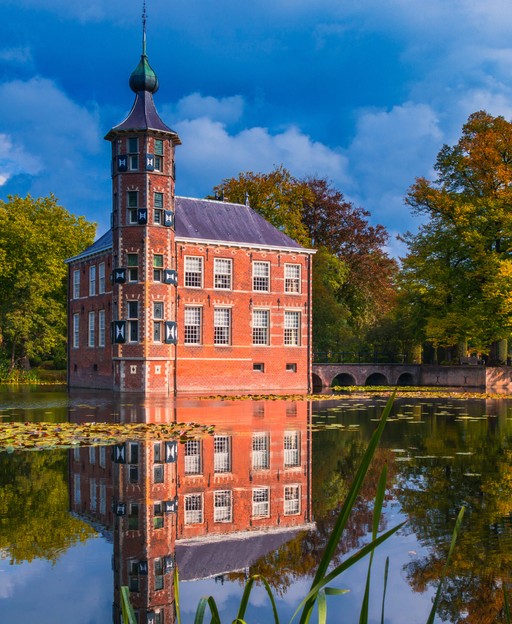
Breda Castle (Kasteel van Breda) stands at the western edge of the old town, enclosed by a broad moat. The current structure dates largely from the 16th century, though a fortified seat has occupied this site since the 13th century. Since 1828, the building has served as the Royal Military Academy (Koninklijke Militaire Academie), so visitors cannot enter the interior — but the exterior and the moat perimeter reward a careful look.
Walk around the moat to find the Spanjaardsgat, a 17th-century water gate on the castle’s south side. This gate takes its name from the Spanish siege of 1624–1625, when Ambrosio Spinola’s forces captured Breda from the Dutch. Diego Velázquez immortalised that surrender in his painting The Surrender of Breda, now in the Prado in Madrid and considered one of the greatest history paintings of the 17th century. The castle grounds and moat perimeter remain freely accessible and pleasant to walk at any time of year.
The Grote Markt and City Centre
Breda’s Grote Markt ranks among the most handsome market squares in the Netherlands. The broad, pedestrianised expanse stretches from the base of the Grote Kerk tower to a line of 19th-century facades sheltering cafes and restaurants. On market days — Tuesday, Friday, and Saturday — stalls fill the square with local produce, Gouda wheels, seasonal flowers, and clothing from regional traders.
The streets radiating from the Grote Markt reward exploration on foot. Ginnekenstraat, Vismarktstraat, and the Havermarkt all contain independent shops, excellent bakeries, and a range of restaurants. If Dutch food culture interests you, our Dutch food guide covers the national dishes and regional specialities you will encounter across the country.
Love the Netherlands?
Get hidden Dutch gems, local stories, and travel inspiration delivered free every week.
Subscribe free →Eating and Drinking in Breda
The cafe and restaurant scene in Breda punches well above its size. Terraces around the Grote Markt stay busy from spring through autumn, and the side streets offer further discoveries. Brown cafes serve traditional kroket and bitterballen alongside Dutch ales. From any bakery in the city, try worstenbrood — a warm bread roll filled with spiced pork sausage — a North Brabant speciality that you will rarely find in the northern provinces. The Havermarkt, a square a few minutes’ walk from the Grote Kerk, concentrates a good selection of restaurants and tends to draw a younger, more creative crowd than the main market square.
Valkenberg Park and the Mastbos Forest
Valkenberg Park borders the old town to the south, directly beside the Grote Kerk. This classic 19th-century landscaped park has mature trees, a duck pond, and open lawns — a natural resting place after a morning exploring the historic centre.
Further south of the city, the Mastbos forest offers a different kind of escape entirely. The Mastbos is one of the oldest planted forests in the Netherlands, with records of cultivation dating to the early 17th century. Beech and oak cover more than 800 hectares of gentle terrain, and a well-maintained network of cycling and walking paths runs throughout the woodland. Hiring a bicycle in the city centre and riding south to the Mastbos takes approximately 20 minutes. Our guide to cycling in the Netherlands has everything you need to plan a riding trip, from route tips to bike hire advice.
Getting to Breda from Amsterdam and Beyond
Direct Intercity trains run between Amsterdam Centraal and Breda roughly every 30 minutes throughout the day. The journey takes approximately one hour and 15 minutes — fast enough for a comfortable day trip, though Breda deserves more time than a single afternoon. From Rotterdam, the train takes around 30 minutes; from Eindhoven, about 35 minutes.
Breda Centraal railway station stands a 10-minute walk from the Grote Markt, or a short local bus ride away. Our Netherlands by train guide explains how to use the Dutch rail network, purchase the OV-chipkaart, and plan connections across the country.
Breda also makes an excellent base for exploring North Brabant more broadly. Den Bosch (officially ‘s-Hertogenbosch), Eindhoven, and Tilburg all fall within 40 minutes by train, making Breda a natural hub for a multi-day provincial tour.
When to Visit Breda
Breda rewards visitors throughout the year, though spring and early summer offer the most pleasant conditions for walking the city. May brings the Breda Jazz Festival, one of the largest outdoor jazz festivals in Europe, which draws hundreds of thousands of visitors over several days to stages set up across the historic centre. The Grote Markt transforms completely during this event.
Summer (June to August) brings long evenings and warm terrace weather ideal for the outdoor squares. Autumn suits visitors who prefer a quieter city — the Mastbos turns red and gold in October, and the tourist pressure drops noticeably from the peak weeks. Winter in Breda is mild by Dutch standards, and the historic streets dress attractively in December.
Day Trips from Breda
Breda’s position in North Brabant makes it an ideal hub for wider exploration. Den Bosch lies 30 kilometres to the north and deserves at least a half-day for its soaring Gothic Sint-Jan Cathedral and the underground canoe trip through the city’s medieval waterways. Eindhoven, 35 minutes east by train, offers world-class design museums and one of the Netherlands’ most dynamic creative scenes. The Belgian city of Antwerp lies less than an hour’s drive south, and many visitors to Breda cross the border to combine both countries in a single trip.
You Might Also Enjoy
- North Brabant: The Netherlands’ Most Overlooked Province — discover the province that surrounds Breda, from Den Bosch to Eindhoven
- Eindhoven Day Trip from Amsterdam — design, culture, and the Van Abbemuseum in North Brabant’s largest city
- Netherlands by Train: The Complete Guide — how to plan your rail journey across the country
Plan Your Netherlands Trip
Heading to the Netherlands and not sure where to start? Our Start Here page brings together the essential guides, itineraries, and practical advice to help you plan every stage of your trip.
Frequently Asked Questions About Visiting Breda
How long do you need to explore Breda?
One full day gives you enough time to visit the Grote Kerk, walk around the castle moat, explore the Grote Markt, and enjoy a proper lunch on the terrace. Staying overnight lets you experience the evening atmosphere and take a morning cycling trip to the Mastbos forest, making two days the ideal length for most visitors.
What is Breda best known for?
Breda is best known for the Onze Lieve Vrouwekerk (Grote Kerk) and its exceptional Nassau Renaissance tombs, for the historic Breda Castle that now houses the Royal Military Academy, and for the Peace of Breda signed in 1667 ending the Second Anglo-Dutch War. Within the Netherlands, the city also has a strong reputation for its lively cafe culture, its Bourgondisch lifestyle, and the annual Breda Jazz Festival held each May.
Is Breda worth visiting on a trip to the Netherlands?
Yes, absolutely. The direct train from Amsterdam Centraal takes around one hour and 15 minutes, making Breda very accessible as a day trip. The city offers a genuinely different experience from Amsterdam — historic, relaxed, and far less crowded — and most visitors find themselves wishing they had allowed more time there.
Join Netherlands Lovers
Every week, discover the Netherlands beyond the tourist trail — hidden villages, local recipes, cycling routes, and travel insights you won’t find in any guidebook.
Subscribe free — enter your email:
Love more? Join 64,000 Ireland lovers → · Join 43,000 Scotland lovers → · Join 30,000 Italy lovers →
Free forever · One email per week · Unsubscribe anytime
Tours & experiences you might love


Powered by Viator. Some links are affiliate links — we may earn a small commission at no extra cost to you.