
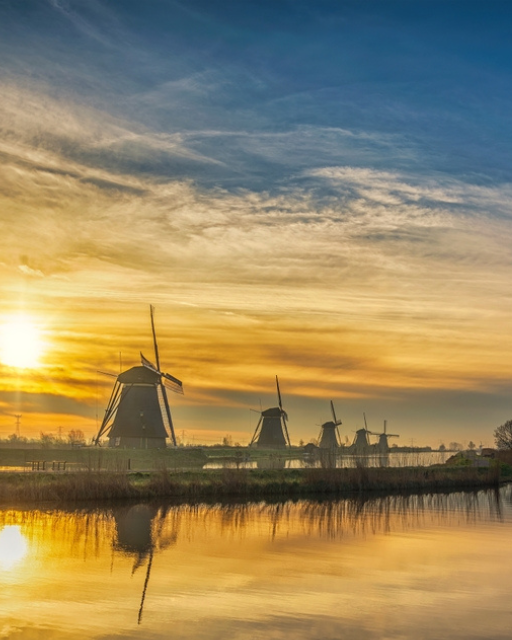
Dutch surnames of Zeeland carry the sea in their bones. This is a province built on islands, tidal flats, and centuries of struggle against the North Sea. The people here learned to fish, trade, and survive. Their family names reflect all of that — salt water, marshland, and quiet endurance.
If your ancestors came from Zeeland, their surname holds a story. It might speak of the tides, a village on a delta island, a trade that fed the family, or a faith that held them together. This guide walks you through the most common Zeeland surnames and what they reveal about life in this extraordinary coastal province.
What Makes Zeeland Surnames Unique?
Zeeland means “sea land” in Dutch. It is a province made of islands and peninsulas — Walcheren, Noord-Beveland, Zuid-Beveland, Schouwen-Duiveland, Tholen, and Zeeuws-Vlaanderen. Each island developed its own dialect, its own way of farming the polders, and its own tight-knit communities.
French influence was strong here. The border with Belgium shaped the language. Many Zeeland surnames have a French or Flemish sound, different from the Germanic names you find further north. Spanish soldiers were stationed here during the Eighty Years’ War. Their names occasionally filtered into the local register too.
When Napoleon introduced compulsory family names in 1811, Zeeland families chose names that reflected the sea, the land, and the trades that fed them. Some names are ancient, stretching back to medieval church records. Others were chosen almost on a whim — as was true across the whole country.
Before you explore these names, you might want to read our complete guide to tracing your Dutch ancestry step by step. It covers the civil records, church registers, and online archives that will help you find your Zeeland roots.
Common Zeeland Surnames and Their Origins
De Graaf
De Graaf means “the count” or “the steward.” It comes from an old term for an administrative official who collected rents. It was common in the feudal polders of Zeeland, where landowners needed agents to manage large drainage estates.
Vermeulen
Vermeulen means “from the mill.” It comes from molen, the Dutch word for mill. Zeeland’s flat islands were ideal for windmills, which drained the polders and ground the grain. Families living near mills often took this name.
De Kraker
De Kraker means “the one who cracks” or “the cracker.” It likely refers to someone who cracked mussel shells or processed shellfish. Zeeland’s mussels and oysters were famous across Europe. This is a distinctly coastal name found almost exclusively in Zeeland.
Dieleman
Dieleman comes from the first name Diele or Diedrik, combined with man. It means “man of Diederik.” It is strongly concentrated in Zeeland, particularly around Walcheren and Zuid-Beveland. Descendants are found in the United States and Australia, where Zeeland emigrants settled in the 19th century.
Huisman
Huisman means “houseman” or “small farmer.” It referred to a man who farmed his own small plot rather than working for a large landowner. In the polders of Zeeland, small family farms were the backbone of the rural economy. The name is found widely across the province.
Polderman
Polderman means “polder man” — someone who lived or worked on reclaimed land. The polders of Zeeland are legendary. Generations of families drained the sea, built dykes, and farmed land that was once underwater. This name is almost unique to Zeeland and its immediate neighbours.
De Vos
De Vos means “the fox.” It was a common nickname for a cunning or quick-witted person. The name appears across the Netherlands but is particularly concentrated in the southern provinces and Zeeland. It likely began as a character nickname in medieval times.
Verhoeven
Verhoeven means “from the court” or “from the elevated land.” It comes from hoven, meaning a small farm or courtyard. It is a Flemish-influenced name, common in Zeeuws-Vlaanderen, the strip of Zeeland that borders Belgium and retains a distinctly Flemish character.
Schout
Schout means “sheriff” or “local magistrate.” A schout was the chief official of a Dutch village or town, responsible for law and order. Zeeland’s island communities each had their own schout. Descendants of these officials sometimes took the title as a family name.
Minderhout
Minderhout comes from a place name — a small village in Flemish Brabant, just south of the Zeeland border. It means “lesser wood.” Families who migrated north across the border into Zeeuws-Vlaanderen sometimes carried this place name with them as a surname.
🇳🇱 Enjoying this? Netherlands lovers get stories like this every week. Subscribe free →
Quist
Quist means “branch” or “twig” in an old Zeelandic dialect. It may have referred to someone who lived near a particular tree or coppice. The name is rare and concentrated in the Zeeland islands. It has a quietly poetic quality that feels true to this province.
Verdouw
Verdouw means “to digest” or “to endure.” It likely began as a nickname for a tough or resilient person. Zeeland’s history of floods, storms, and invasions produced exactly that kind of character. The name is found mainly in the Walcheren peninsula and surrounding islands.
Geldof
Geldof comes from a Germanic personal name meaning “rich gift.” It arrived in Zeeland via the Flemish coast and appears most often in Zeeuws-Vlaanderen. Irish rock musician Bob Geldof carries this Flemish-Zeelandic name, though his roots are in Ireland and Belgium.
Maljaars
Maljaars likely derives from malen (to grind) and jaar (year), possibly meaning a seasonal miller. It is an uncommon name, almost entirely restricted to Zeeland. Its rarity makes it a useful marker for genealogists — if you find it, you are almost certainly looking at Zeeland roots.
Sturm
Sturm means “storm.” It is a German-sounding name that arrived in Zeeland through trade connections with the German Rhineland and through Huguenot refugees who settled along the Dutch coast in the late 17th century. The sea storms that shaped Zeeland gave this name particular resonance here.
Wielemaker
Wielemaker means “wheel maker.” It refers to a craftsman who made wheels for carts, wagons, or water mills. In the flat farming landscape of Zeeland, such craftsmen were essential. The name is concentrated in the Schouwen-Duiveland region and is rarely found outside the province.
Leijdekker
Leijdekker means “roofer” or “tiler.” It comes from the Dutch word for someone who lays roof tiles or slates. After Zeeland’s floods and rebuilding projects, skilled roofers were in constant demand. The name is found along the entire Zeeland coast.
Blok
Blok means “block” or “a piece of land.” It may have referred to a specific parcel of reclaimed polder land or to a craftsman who worked with timber blocks. The name is common in Zeeland and South Holland. It carries that sense of solidity and groundedness that defines the Zeelandic character.
Boogaard
Boogaard means “orchard” or “garden.” Zeeland’s mild, sea-influenced climate produces excellent fruit. The orchards of Zuid-Beveland are famous for their apples and pears. Families who tended orchards often took this name, and it remains common across the province today.
Kodde
Kodde is an old Zeelandic word for a type of club or stick. It may have referred to a shepherd or a night watchman who carried such a tool. The name is rare and charming, a small linguistic fossil from medieval Zeeland. Genealogists who find it are almost certainly tracing a Walcheren family.
The Zeeland Diaspora: Where These Names Travelled
Zeeland families spread across the world from the 17th century onwards. The Dutch East India Company (VOC) recruited heavily in the coastal provinces. Zeeland men sailed to Java, Ceylon, the Cape of Good Hope, and the Americas. Their surnames took root in South Africa, Indonesia, and the eastern United States.
In the 19th century, a second wave of emigration carried Zeeland families to Michigan, Iowa, and Ontario. Many were Reformed Church members seeking religious freedom. The towns of Zeeland and Borculo in Michigan were founded by Zeeland emigrants. If your family came from these American communities, your Dutch roots may well lie in this sea province.
South Africa received Zeeland settlers through the VOC. Surnames like Boogaard, De Vos, and Verdouw appear in South African records. The Afrikaner community, which developed from Dutch settlers at the Cape, carries a significant portion of Zeeland DNA in its genealogical record.
To plan a trip to trace these roots in person, our 5-day Dutch heritage itinerary will help you design the journey. You can also read how to plan a heritage trip to your ancestral Dutch town for practical advice.
The Role of the Reformed Church in Zeeland Names
Zeeland was a strongly Calvinist province. The Dutch Reformed Church kept meticulous records from the mid-16th century. Baptismal registers, marriage records, and death registers survive in remarkable numbers. These church records are often more complete than the civil records that began in 1811.
The Reformed Church also influenced naming patterns. Biblical first names were popular — Johannes, Pieter, Abraham, Jacob, Sara, Maria. When you combine these with Zeeland surnames, you often find clear patterns of family naming that can help trace ancestry back several generations.
Catholic families lived mainly in Zeeuws-Vlaanderen, the southern strip closest to Belgium. Their records are held in different archives. If your Zeeland ancestors had French-sounding surnames, they may have been Catholic and connected to the Flemish communities just over the modern border.
You can explore how these church and civil records fit together in our complete guide to tracing Dutch ancestry. For a broader look at provincial name patterns, see our guides to Dutch surnames of Limburg and Dutch surnames of North Brabant.
The 1811 Name Registration in Zeeland
When Napoleon ordered the Dutch to take fixed family surnames in 1811, some Zeeland families treated it seriously. They chose names that honoured their trade, their land, or their character. Others, especially in remote island communities, reportedly chose names as a form of quiet protest — names that seemed absurd or were impossible to pronounce in French.
The registers from 1811 are now digitised and available through WieWasWie.nl and the Zeeland Archives (Zeeuws Archief). If your ancestor registered a name in 1811, you can often find the original entry — including the witness signatures and sometimes even the occupation of the head of household.
This moment of registration is a crucial starting point for Zeeland genealogy. Once you have the 1811 family name entry, you can work backwards through church records into the 18th and 17th centuries. Some Zeeland families can be traced to the 1550s through continuous Reformed Church records.
Zeeland Surnames in Today’s Netherlands
Modern Zeeland has a population of around 385,000. Many families still carry surnames that have been in the province for centuries. The coastal towns of Middelburg, Vlissingen, Goes, and Zierikzee remain the heartlands of the old Zeeland naming traditions.
The province’s Zeeuws dialect is still spoken by older generations. Some surnames only make full sense when you understand the Zeeuws pronunciation — where d sounds become t, and certain vowels shift. If you read old records, this dialect influence can create apparent spelling variants of the same name across different villages.
Today, Zeeland is one of the least-visited Dutch provinces by international tourists. That makes it a quiet, rewarding destination for anyone tracing heritage. There are no crowds. The archives are accessible. The landscape of polders, church towers, and sea horizons is almost unchanged from the world your ancestors knew.
For a full picture of the province, our Zeeland travel guide covers everything from the Delta Works to the finest seafood markets on the Dutch coast.
How to Search for Your Zeeland Ancestors
Start at the Zeeuws Archief in Middelburg. This archive holds civil registration from 1811 onwards, Reformed Church registers, notarial records, and estate inventories. Much of the material is digitised and searchable online through the archive’s own website and through WieWasWie.nl.
For emigrants to the United States, the Netherlands Emigration Index and the Dutch records held by the Family History Library (Church of Jesus Christ of Latter-day Saints) are invaluable. Many Michigan and Iowa Dutch communities have also digitised their own church records and cemetery transcriptions.
For South African connections, the Genealogical Society of South Africa and the Heemkunde Zeeland (Zeeland Heritage Society) have worked together on tracing Cape Dutch families back to their Zeeland origins. If your family is Afrikaner with a Dutch surname, this connection may well be worth investigating.
If you are planning to compare naming patterns across the whole Netherlands, you might also want to read our guides to Dutch surnames of Overijssel, Dutch surnames of Utrecht, and Dutch surnames of Gelderland.
Frequently Asked Questions About Zeeland Surnames
What makes Zeeland surnames different from other Dutch provinces?
Zeeland surnames reflect the province’s geography and history. The sea, the polders, and the tidal marshes all left their mark on family names. Flemish and French influences are stronger here than in the northern provinces. Catholic names appear in Zeeuws-Vlaanderen, while the islands are dominated by Reformed Church families with Germanic and Dutch-language surnames.
Where can I find Zeeland surname records online?
The best starting points are the Zeeuws Archief website and WieWasWie.nl, which holds searchable Dutch civil records from 1811. Many Reformed Church records from the 17th and 18th centuries are also available through OpenArchieven.nl.
Did Zeeland families emigrate in large numbers?
Yes. Zeeland contributed significant numbers to VOC expeditions in the 17th and 18th centuries. Many sailors and merchants settled permanently in Dutch colonial outposts in Asia and South Africa. In the 19th century, Reformed Church communities emigrated to Michigan, Iowa, and Ontario. If your family surname appears in these communities, Zeeland is a likely point of origin.
What is the significance of Zeeuws-Vlaanderen surnames?
Zeeuws-Vlaanderen is the strip of Zeeland that borders Belgium. It was historically part of the Southern Netherlands and only became firmly Dutch in the 17th century. Surnames here have a Flemish character — French-influenced, Catholic in some families, and with a different sound to the island surnames further north.
How do I know if my surname is specifically from Zeeland?
Some surnames are so concentrated in Zeeland that they function almost as a geographical fingerprint. Names like Polderman, Dieleman, Wielemaker, Maljaars, and Kodde are extremely rare outside the province. If your family tree shows one of these, a Zeeland connection is almost certain. More common names like De Vos or Blok require more careful research to establish a Zeeland origin specifically.
You Might Also Enjoy
More Dutch heritage stories from In Love With Netherlands:
- How to Trace Your Dutch Ancestry: A Step-by-Step Guide
- 5-Day Dutch Heritage Itinerary: Trace Your Roots Across the Netherlands
- Zeeland Travel Guide: Islands, Delta Works and the Dutch Sea
Join Netherlands Lovers
Every week, discover the Netherlands beyond the tourist trail — hidden villages, local recipes, cycling routes, and travel insights you won’t find in any guidebook.
Subscribe free — enter your email:
Already subscribed? Explore our archives for more hidden Dutch gems.
Love more? Join 64,000 Ireland lovers → · Join 43,000 Scotland lovers → · Join 30,000 Italy lovers →
Free forever · One email per week · Unsubscribe anytime
Plan Your Netherlands Trip — Start Here →
Tours & experiences you might love


Powered by Viator. Some links are affiliate links — we may earn a small commission at no extra cost to you.