Jun 14, 2026
|
Twente’s Hidden Rural Soul
Discover where Saxon farmhouses and sweeping estates reveal the Netherlands’ most enchanting countryside.
|
|
Love Netherlands
|
|
Dear Netherlands,
There’s an old saying in the Netherlands: God made the world, but the Dutch made Holland. Drive across Zeeland, past the Delta Works, and you start to understand. Or stand at Kinderdijk at sunrise, when the windmills catch the first light and the canals are mirror-flat, and you can feel 800 years of stubbornness built into the landscape.
|
|
Was this forwarded to you? Subscribe free and never miss an edition →
|
|
If the daily newsletter brings you closer to the Netherlands, our Sunday Premium Edition takes you deeper into it. Every Sunday you’ll receive travel deep dives, curated itineraries, regional stories, and hidden gems you won’t find anywhere else.
Upgrade for less than the price of a pint and see the Netherlands in a completely new way.
|
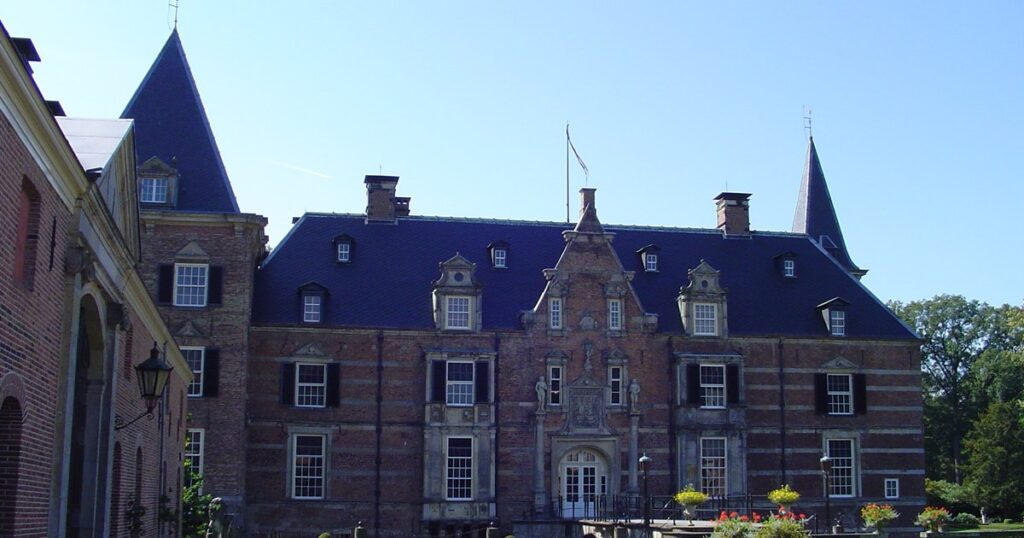
Delden Twickel voorkant. Photo: Yhoitink / Wikimedia Commons (CC BY-SA 3.0 nl)
|
In today’s email:
- Twente: The Netherlands’ Green and Gentle East
- At The Café — Café De Jaren — Amsterdam’s Light-Filled Reading Café
- Around The Web — Maastricht Day Trip from Amsterdam: The Complete Guide, Dutch Surnames of Limburg: Origins and Meanings, 5-Day Dutch Heritage Itinerary: Trace Your Roots Across the Netherlands + more
- From Love Netherlands — Dutch Surnames of Overijssel: Origins and Meanings
- Dutch Food You Will Love — Tompouce — The Dutch Pastry Built Like a Sandwich
|
Twente: The Netherlands’ Green and Gentle East
👉 Read the full story
All facts verified. Now writing the full guide. Twente: The Netherlands’ Green and Gentle East Country estates, Saxon farmhouses, and a quietly beautiful landscape quite unlike anywhere else in the country An introduction to Twente There is a corner of the Netherlands that most visitors never reach, and that is precisely its charm. Twente, the easternmost part of Overijssel province, pressed against the German border in a region of gently rolling hills, oak-canopied lanes, and hedgerow-threaded farmland, belongs to a different Netherlands entirely. The flat, windmill-dotted polders of the western coast feel impossibly remote here. In their place are the wooded parks of great private estates, the moss-green slopes of river valleys, and the singular landscape the Dutch call coulissenlandschap — the wing landscape — because its rows of hedgerows and shelterbelts create the impression of…
👉 Read the full story
Have you been there? Do you have a memory of this corner of the Netherlands? Hit reply and tell us — we’d love to hear your story.
|
|
“Want deep dives into the Netherlands every Sunday? Our Premium readers already have their next edition waiting.”
|
At The Café
Café De Jaren — Amsterdam’s Light-Filled Reading Café
Café De Jaren on the Nieuwe Doelenstraat is a wide, two-storey grand café with a sun-drenched terrace built right out over the Amstel. It opened in 1990 in a former bank, and the high ceilings, white walls and stacks of newspapers in twelve languages give it the feel of a public reading room with espresso. Locals come for breakfast with the FT, for long afternoon meetings, and for the canal-side terrace where on summer afternoons every chair faces the water. The kitchen does proper meals all day, the cake counter is generous, and nobody minds if you stay three hours.
👉 Visit the café
|
Around The Web
|
From Love Netherlands
Your opa may have grown up near a river in the east. Your betsie may have tended sheep on the sandy Twente heathlands. If your Dutch surname ends in -ink or -huis , Overijssel is likely where your roots lie. This province in the eastern Netherlands shaped millions of family names. Those names still travel the world today. Overijssel sits between the flat western Netherlands and the German border. It has three distinct regions: Salland in the…
👉 Read the full story
|
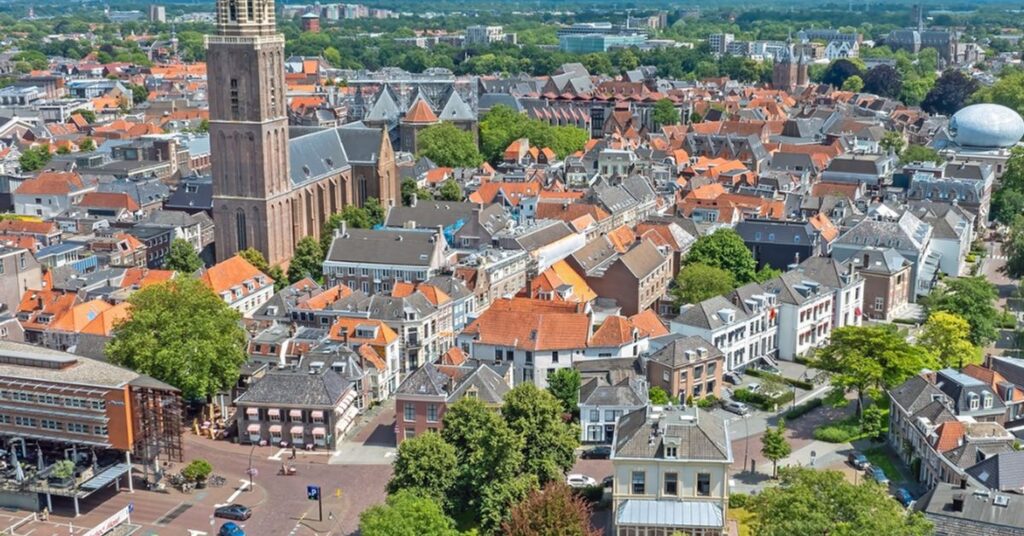
Photo via Love Netherlands
|
Dutch Food You Will Love
Tompouce — The Dutch Pastry Built Like a Sandwich
A tompouce is two crisp layers of puff pastry sandwiching a slab of vanilla pastry cream, topped with a layer of bright pink fondant icing. It’s the dessert that signals minor celebration in the Netherlands — birthdays at the office, retirements, Friday afternoons. On King’s Day the icing turns orange instead of pink. The tompouce is impossible to eat tidily and the Dutch love arguing about whether you should attack it from the side with a fork or just give in and eat it with your hands. The official answer is: there is no official answer.
👉 Read the full story
|
|
Know Someone Who Loves the Netherlands?
If you’re enjoying this letter, the best thing you could do is forward it to one friend who’d love the Netherlands too. This newsletter grows by word of mouth alone — every single subscriber came from someone sending it to someone else. Thank you for being one of the first.
|
|
Our daily newsletter is free and always will be. But for less than the price of a pint, you can upgrade to our Sunday Premium Edition, which gives you access to our travel deep dives, curated itineraries, and regional stories. Consider buying us a stroopwafel — it’s the Dutch way to say thank you.
|
Also From Our Family
Love Ireland too? Over 64,000 readers wake up each morning to the Love Ireland newsletter — loveireland.substack.com
Or Scotland? Join 43,000 Scotland lovers — lovescotland.substack.com
|
|
You’re reading Love Netherlands — a free letter about canal towns, hidden villages, and Dutch stories, delivered Monday to Friday.
inlovewithnetherlands.com ·
Unsubscribe
© 2026 Love Netherlands · Part of the Love To Visit LLC family
|