
Your family name may have started on the banks of an Amsterdam canal. It might have come from the fields of a Haarlemmermeer polder. Or it could trace back to a fishing village on the shores of the IJsselmeer. If your surname comes from North Holland, it tells a story. These Dutch surnames from North Holland carry the region’s entire history inside them.
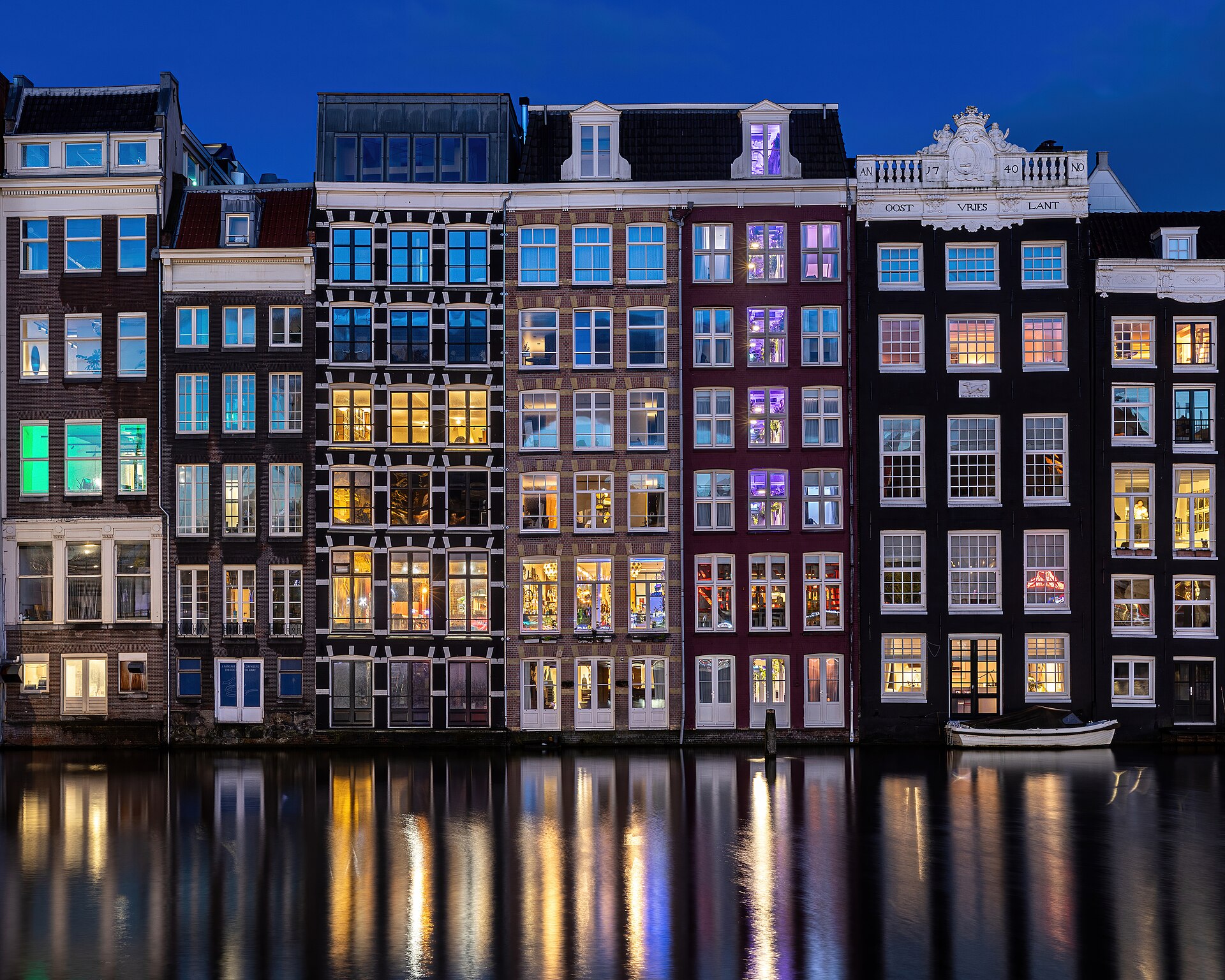
North Holland (Noord-Holland) is one of the most populous provinces in the Netherlands. It includes Amsterdam, Haarlem, Alkmaar, and the old merchant town of Hoorn. For centuries, this region shaped the Dutch world. Its traders sailed the globe. Its farmers drained the seas. And its surnames carry those stories forward.
This guide covers the most common Dutch surnames from North Holland. You will find their meanings, their origins, and where families went when they left. Many North Holland families moved to South Africa, America, and Indonesia. Some names survive unchanged today. Others transformed as families settled in new lands.
If you are tracing your Dutch ancestry, start with our step-by-step guide to Dutch genealogy research.
Why North Holland Surnames Are Different
North Holland has three distinct surname traditions. They reflect the region’s long history.
Trading and merchant names come from Amsterdam and Hoorn. The Dutch Golden Age made merchants wealthy. Many took surnames related to commerce, craft, and trade. Names like Koopmans (merchant) and Schilder (painter) come from this period.
Coastal and fishing names come from communities along the North Sea and IJsselmeer. The water defined daily life. Names like Visser (fisher) and Van Duijn (from the dunes) belong to this world.
Agricultural names come from the polders and farmlands. Generations of families drained the waterlogged land and farmed it. Names like De Boer (the farmer) and Molenaar (miller) reflect this hard-won landscape.
You will find many related names in our sister article on Dutch surnames from South Holland. The two provinces share many names, but each has its own regional flavour.
🇳🇱 Enjoying this? Netherlands lovers get stories like this every week. Subscribe free →
Dutch Surnames of North Holland: A–Z Guide
These surnames appear most often in North Holland church records and civil registers. Each entry uses the same clear format: meaning, origin, and where the family spread.
Bakker
Bakker means “baker”. It named someone who baked bread for their community.
Bakers were vital in every Dutch town and village. The name spread across the whole country.
Many Bakker families emigrated to South Africa and North America in the 1800s.
Bloem
Bloem means “flower”. It named someone who grew or sold flowers.
The tulip fields of North Holland made this name fitting. Bloem families often worked near Haarlem and Alkmaar.
Dutch-South African families sometimes spell it Bloem or Blom.
Bos
Bos means “forest”. It named families who lived near or worked in the woods.
Forested areas existed in parts of North Holland near the dunes. The name is short, simple, and very Dutch.
Bos is common among Dutch-Indonesian families who settled in the East Indies.
Brouwer
Brouwer means “brewer”. It named someone who brewed beer or other drinks.
Every Dutch town had a brewer. Beer was safer to drink than water for centuries.
Many Brouwer families settled in South Africa during the Boer migrations of the 1600s and 1700s.
De Boer
De Boer means “the farmer”. It described someone who worked the land.
De Boer families lived across the polders of North Holland for centuries. It is one of the most common surnames in the Netherlands.
The name is widespread in South Africa and among Dutch-American communities in Michigan and Iowa.
De Groot
De Groot means “the big one” or “the great”. It was a nickname for a tall or important person.
De Groot families appear in records across North Holland from the 1400s. The name is common in both the Netherlands and South Africa.
Hugo de Groot (Grotius), the famous Dutch jurist, carried a version of this name.
De Haas
De Haas means “the hare”. It was a nickname for a quick or lively person.
Animal-based surnames were common in medieval Dutch naming. De Haas families came from across North Holland.
The name spread to South Africa and North America through Dutch migration.
Koopmans
Koopmans means “merchant”. It named someone who bought and sold goods.
Amsterdam and Hoorn were great trading cities. The Koopmans name grew from this merchant culture.
Many Koopmans families traded with Asia through the VOC (Dutch East India Company). You can read about the traders who built Amsterdam’s famous canal houses.
Molenaar
Molenaar means “miller”. It named the person who ran the windmill.
North Holland was filled with windmills that drained the polders. Many Molenaar families ran these mills for generations.
Some Molenaar families moved to South Africa and kept working with grain and milling.
Schilder
Schilder means “painter”. It named someone who painted houses, boats, or art.
North Holland produced many famous painters during the Dutch Golden Age. The name reflects this rich artistic tradition.
Schilder families appear in Amsterdam guild records from the 1600s.
Smit
Smit means “blacksmith”. It named the person who worked iron and metal.
Every community needed a smith for tools, horseshoes, and repairs. The name is one of the most widespread in the Netherlands.
Many Smit families settled in South Africa during the Boer migrations. The name is very common among Afrikaner families today.
Timmerman
Timmerman means “carpenter”. It named a craftsman who worked with wood.
North Holland needed carpenters for shipbuilding, houses, and windmills. It was a skilled and well-respected trade.
Timmerman families are found in Dutch-Indonesian communities, where carpenters were needed in the colonies.
Van Dijk
Van Dijk means “from the dike”. It named families who lived near or on a dike.
Dikes defined life in North Holland for a thousand years. Families with this name often helped maintain the flood defences.
The name is spelled Van Dyke or Vandyke in South Africa and America.
Van Duijn
Van Duijn means “from the dunes”. It named families who lived near the coastal dunes.
The dunes run along the entire western coast of North Holland. This name marks families from Zandvoort, Castricum, and Bergen aan Zee.
Some Van Duijn families moved to America and shortened the name to Van Dyne.
Van Houten
Van Houten means “from Houten”. It named families from a village of that name.
The name became known worldwide through the Van Houten chocolate company, founded in Amsterdam. Many Dutch-Americans carry this name today.
Van Houten families emigrated to New Amsterdam (New York) and New Jersey from the 1600s onwards.
Visser
Visser means “fisher”. It was a job name for those who fished for a living.
Fishing communities on the IJsselmeer used this name widely. Fish was a vital food source for all of North Holland.
Many Visser families emigrated to South Africa. It is one of the most common Afrikaner surnames today.
How North Holland Surnames Spread Across the World
North Holland was the heart of Dutch migration for three centuries. Families left from Amsterdam, Hoorn, and Enkhuizen to start new lives around the globe.
To South Africa: Boer settlers carried names like Visser, Smit, De Groot, and De Boer to the Cape Colony from the 1650s onwards. Many Afrikaner families today trace their roots to North Holland. The surnames arrived unchanged and survive in their original Dutch form.
To America: Dutch settlers founded New Amsterdam in 1626. That city became New York. Names like Van Houten, Bakker, and Timmerman came with them. Dutch communities in Michigan, Iowa, and New Jersey kept these surnames for generations. Some Americanised the spelling: Van Dijk became Van Dyke, Smit became Smith.
To Indonesia: VOC (Dutch East India Company) employees sailed from Amsterdam to what is now Indonesia. Many stayed and raised families. Names like Bos, Timmerman, and Brouwer survive in the Dutch-Indonesian (Indo) community today, carried by descendants across the world.
Where to Find Your North Holland Ancestors Today
North Holland has excellent resources for family history research. The city of Haarlem holds the Noord-Hollands Archief, one of the best provincial archives in the Netherlands. Amsterdam’s Stadsarchief (City Archive) is one of the largest city archives in Europe.
Key resources for North Holland surname research:
- Stadsarchief Amsterdam — millions of digitised records available online for free
- Noord-Hollands Archief (Haarlem) — provincial records and church registers from 1600 onwards
- WieWasWie.nl — free access to Dutch civil records from 1811 onwards
- FamilySearch.org — large collection of Dutch Reformed church records
- CBG Centrum voor Familiegeschiedenis — the national centre for Dutch genealogy in The Hague
Civil records began in 1811 under Napoleon. Church records go back much further, to the 1600s for most North Holland parishes. Many records are now free to search online from anywhere in the world.
If you are ready to visit your ancestral province in person, our heritage travel planning guide can help you prepare for the trip.
Frequently Asked Questions
What are the most common Dutch surnames from North Holland?
De Boer, Visser, Bakker, Smit, and Van Dijk are among the most common surnames in North Holland. De Boer is the most widespread Dutch surname overall. These names appear in records across Amsterdam, Haarlem, Alkmaar, and the surrounding rural areas.
Why do so many Dutch surnames begin with “Van” or “De”?
“Van” means “from” and refers to a place of origin. “De” means “the” and usually describes a job or physical trait. Many families without a fixed surname took names like these after Napoleon’s naming decree of 18 August 1811 required them to adopt one.
Which North Holland surnames are common in South Africa?
Visser, Smit, De Groot, De Boer, and Brouwer are all very common in South Africa. They arrived with Boer settlers from North Holland and the broader Netherlands from the 1650s onwards. Many Afrikaner families with these names can trace their roots directly to Amsterdam, Haarlem, or Hoorn.
How do I research a North Holland surname?
Start with WieWasWie.nl for civil records after 1811. For earlier records, contact the Noord-Hollands Archief in Haarlem or the Stadsarchief in Amsterdam. Our complete Dutch ancestry guide explains every step in detail, from finding the right archive to reading old handwritten Dutch records.
Did North Holland surnames change when families emigrated?
Yes, often. South African Boer families generally kept Dutch surnames unchanged. American families often changed the spelling to fit English pronunciation — Van Dijk became Van Dyke, Smit became Smith. Indonesian Dutch families sometimes adopted local variations. The core meaning almost always survived the change.
You Might Also Enjoy
- How to Trace Your Dutch Ancestry: A Step-by-Step Guide
- Dutch Surnames of South Holland: Origins and Meanings
- Haarlem Travel Guide
Join Netherlands Lovers
Every week, discover the Netherlands beyond the tourist trail — hidden villages, local recipes, cycling routes, and travel insights you won’t find in any guidebook.
Subscribe free — enter your email:
Already subscribed? Explore our archives for more hidden Dutch gems.
Love more? Join 64,000 Ireland lovers → · Join 43,000 Scotland lovers → · Join 30,000 Italy lovers →
Free forever · One email per week · Unsubscribe anytime
Plan Your Netherlands Trip
Ready to visit the province where your family name began? Our Start Here guide covers everything you need — from planning a heritage visit to choosing the right Dutch archives to explore.
Tours & experiences you might love


Powered by Viator. Some links are affiliate links — we may earn a small commission at no extra cost to you.