

The Netherlands has long attracted Americans searching for a slower pace, excellent healthcare, and a high quality of life. But before you swap your stateside suburb for a canal-side apartment, the question everyone asks is the same: how much money do you actually need to retire in the Netherlands? The honest answer depends on where you settle and how you like to live — but this 2026 budget guide gives you the real numbers, by city, so you can plan with confidence.
Love the Netherlands? Join our free newsletter for hidden Dutch gems → inlovewithnetherlands.com/subscribe
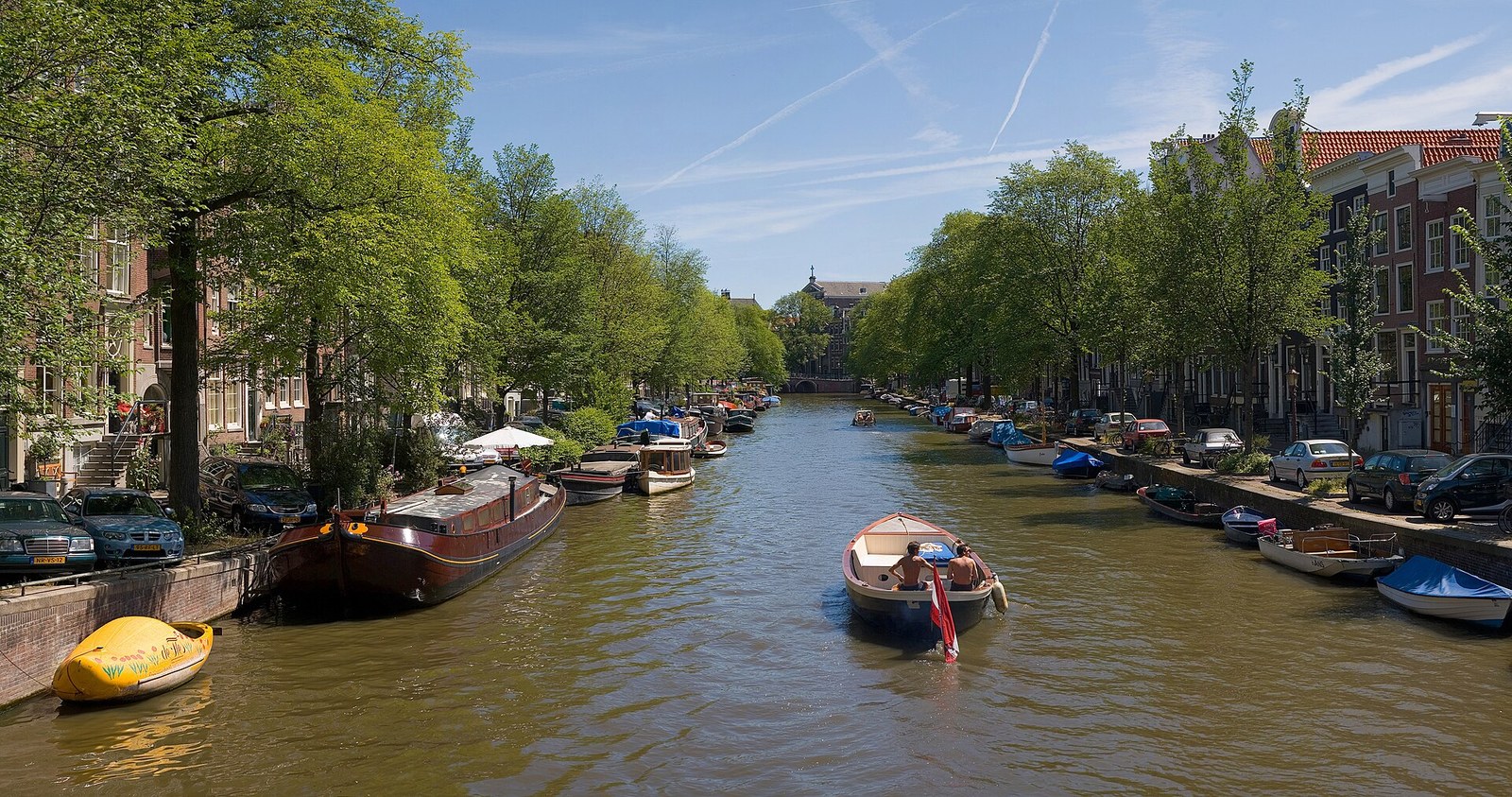
This guide covers monthly costs for a retired American couple, the mandatory Dutch health insurance system, regional price differences across key cities, and the financial considerations that catch expats off guard. For information on the residency routes available to Americans — including the DAFT treaty and long-stay visa options — see our guide to moving to the Netherlands as an American.
The Honest Bottom Line: Monthly Budget for a Retired Couple
Before diving into the city-by-city breakdown, here is a realistic monthly budget range for two people living comfortably — not lavishly — in the Netherlands in 2026.
- Amsterdam: €3,400–€4,800/month
- The Hague or Utrecht: €2,800–€3,800/month
- Rotterdam: €2,700–€3,600/month
- Maastricht, Groningen, or Eindhoven: €2,400–€3,200/month
These figures include rent, health insurance, groceries, utilities, transport, and a comfortable dining and leisure allowance. They do not include holidays, major purchases, or healthcare costs beyond insurance premiums.
In US dollar terms at 2026 exchange rates (approximately 1.08 USD per EUR), a retired couple in a mid-size Dutch city should budget between $2,600 and $3,500 per month, or roughly $31,000–$42,000 per year.
The Biggest Single Cost: Housing
Housing is by far the largest variable in your Dutch retirement budget. The Netherlands has one of the tightest housing markets in Europe, particularly in Amsterdam and the Randstad (the urban ring connecting Amsterdam, The Hague, Utrecht, and Rotterdam).
Rental costs by city (2026, 2-bedroom apartment)
- Amsterdam city centre: €2,000–€2,800/month
- Amsterdam suburbs / outer districts: €1,600–€2,200/month
- The Hague: €1,400–€2,000/month
- Utrecht: €1,500–€2,100/month
- Rotterdam: €1,300–€1,900/month
- Maastricht: €1,100–€1,600/month
- Groningen: €1,000–€1,500/month
- Eindhoven: €1,100–€1,600/month
Many Americans opt to rent rather than buy, at least initially — and for retirees without a Dutch mortgage qualification, renting is often the only practical option in the short term. Purchasing property is possible, but mortgage access as a non-working resident is limited.
One practical tip: the Dutch rental market moves quickly. Expat-focused platforms such as Funda, Pararius, and HousingAnywhere list English-language listings, but be prepared to move fast once you find something suitable.
Dutch Health Insurance: Mandatory and Non-Negotiable
Within four months of registering at your Dutch municipality (gemeente), you are legally required to take out Dutch basic health insurance — known as the basisverzekering. This is not optional, regardless of your age or your existing US health coverage.
In 2026, the standard premium for Dutch basisverzekering is approximately €145–€195 per person per month, depending on the insurer and any supplemental coverage you add. For a couple, budget €290–€390/month for combined premiums.
The good news: the Dutch healthcare system is widely regarded as one of the best in Europe. Hospital care, GP visits, and most specialist referrals are covered under the basic plan. The standard annual deductible (eigen risico) is €385 per person in 2026.
Note that as a US citizen living abroad, you are generally no longer eligible for Medicare Part B if you are not present in the United States. Check with a US tax or Medicare advisor before finalising your move, as the interaction between Dutch and American coverage has implications most expats discover too late.
Day-to-Day Living Costs
Groceries
The Netherlands has excellent supermarket chains — Albert Heijn, Jumbo, and Lidl — and day-to-day food shopping is affordable compared to major US cities. A retired couple cooking at home most days should budget €400–€550/month for groceries. Organic and imported American products will push this higher.
Utilities
Dutch homes tend to be well-insulated, but energy costs rose significantly after 2022 and remain elevated. Budget €180–€280/month for electricity, gas, and internet combined. Newer or recently renovated apartments tend to be considerably more energy-efficient.
Transport
One of the genuine joys of retiring in the Netherlands is the transport network. The OV-chipkaart (public transport card) covers trains, trams, buses, and the metro across the entire country. Seniors aged 65 and over qualify for discounted rail travel on off-peak journeys. Budget €80–€150/month for regular public transport use — often less if you cycle for local trips. The Netherlands’ exceptional cycling infrastructure means many retirees find a bike replaces a car entirely.
Dining and leisure
Eating out in the Netherlands is pleasantly affordable by Western European standards, though Amsterdam is notably pricier than smaller cities. A dinner for two at a mid-range restaurant typically costs €50–€80 including wine. Allow €250–€400/month for dining out two to three times a week, plus museums, concerts, and occasional day trips. The Netherlands’ compact size makes day-tripping by train genuinely easy and inexpensive.
US Tax and Financial Obligations
American citizens are taxed on worldwide income regardless of where they live. This means you must continue filing US federal tax returns after moving to the Netherlands — and if you hold more than $10,000 in foreign bank accounts at any point during the year, you must also file an FBAR (FinCEN 114) report.
The good news is that the US-Netherlands tax treaty prevents most forms of double taxation. US Social Security income is generally taxable only in the country where you are resident — meaning Dutch residents typically pay Dutch tax on Social Security, not both. Individual circumstances vary significantly, so working with a US expat tax specialist before and after your move is strongly advised.
For more on the practical steps of relocating as an American — including visa routes, registration requirements, and residency permits — see our detailed guide to moving to the Netherlands as an American.
Which City Is Best for Your Budget?
The honest answer is that the most affordable Dutch cities for retirement are also, in many cases, among the most liveable. Here is a quick comparison:
Groningen
The most affordable major city in the Netherlands. A large student population keeps the cultural scene lively, English is widely spoken, and housing costs are significantly lower than the Randstad. An excellent choice for retirees on tighter budgets.
Maastricht
Arguably the most beautiful city in the Netherlands, with a distinctly southern European feel, excellent restaurants, and strong international connections to Belgium and Germany. Costs are moderate and the lifestyle is relaxed.
Eindhoven
A design-focused, forward-thinking city with lower rents than Amsterdam or Utrecht. Good transport links and a growing international community make it increasingly popular with expats.
The Hague
More expensive than Groningen or Eindhoven, but significantly more affordable than Amsterdam, and home to a large established international community (it hosts numerous international organisations). The North Sea beaches at Scheveningen are a major quality-of-life bonus.
Amsterdam
The most expensive option, but also the most connected, culturally rich, and internationally oriented. If budget is not your primary concern, Amsterdam offers extraordinary museums, world-class restaurants, and direct flights to the United States from Schiphol.
A Realistic Monthly Budget Summary (2-Person Couple, Mid-Range Dutch City)
| Category | Monthly Cost (€) |
|---|---|
| Rent (2-bedroom, mid-range city) | €1,400–€1,800 |
| Health insurance (2 people) | €290–€390 |
| Groceries | €400–€550 |
| Utilities (electricity, gas, internet) | €180–€280 |
| Transport | €80–€150 |
| Dining out and leisure | €250–€400 |
| Total | €2,600–€3,570/month |
Frequently Asked Questions
How much money do you need to retire in the Netherlands as an American?
A retired American couple living comfortably in a mid-size Dutch city such as Groningen, Maastricht, or Eindhoven should budget approximately €2,400–€3,200 per month (roughly $2,600–$3,500). In Amsterdam, costs rise to €3,400–€4,800 per month. These figures include rent, mandatory Dutch health insurance, groceries, utilities, transport, and leisure spending.
Is Dutch health insurance mandatory for American retirees?
Yes. Once you register as a resident in the Netherlands, you are legally required to take out Dutch basic health insurance (basisverzekering) within four months. In 2026 the standard premium is approximately €145–€195 per person per month. Note that most Americans living abroad lose eligibility for Medicare Part B, so it is essential to review your US coverage arrangements before your move.
What is the cheapest city to retire in the Netherlands?
Groningen is consistently the most affordable major city in the Netherlands, with 2-bedroom rents typically ranging from €1,000–€1,500 per month in 2026. Enschede, Leeuwarden, and smaller towns in Drenthe and Overijssel offer even lower costs, though with fewer international services and direct connections.
You Might Also Enjoy
- Moving to the Netherlands as an American: The DAFT Route Explained
- Dutch Food Guide: What to Eat (and Drink) in the Netherlands
- Travelling the Netherlands by Train: The Complete Guide
Plan Your Netherlands Trip
Thinking about visiting the Netherlands before you commit to a move? Our Start Here guide covers everything you need to plan your first trip — from the best cities to base yourself in to practical advice on getting around.
Join Netherlands Lovers
Every week, discover the Netherlands beyond the tourist trail — hidden villages, local recipes, cycling routes, and travel insights you won’t find in any guidebook.
Subscribe free — enter your email:
Love more? Join 64,000 Ireland lovers → · Join 43,000 Scotland lovers → · Join 30,000 Italy lovers →
Free forever · One email per week · Unsubscribe anytime
Tours & experiences you might love


Powered by Viator. Some links are affiliate links — we may earn a small commission at no extra cost to you.