
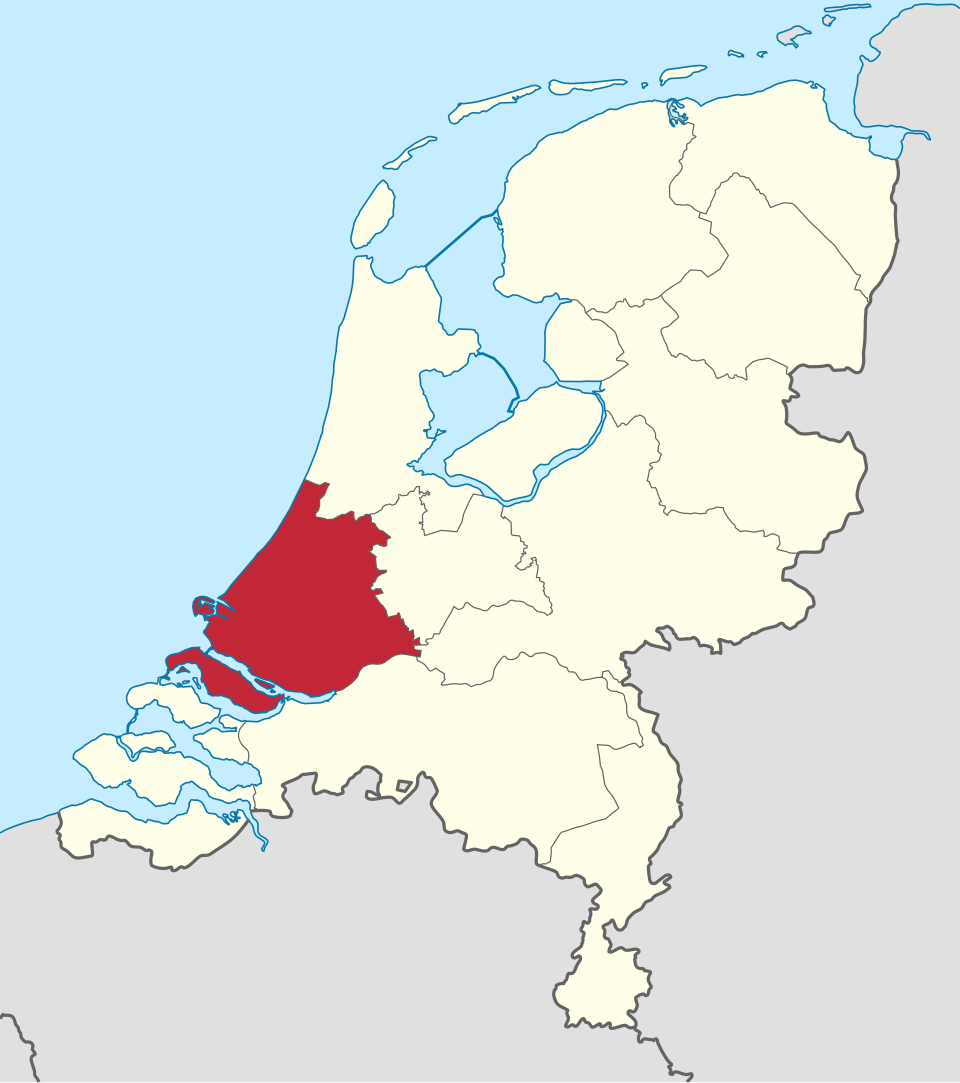
South Holland is the most populous province in the Netherlands. It holds Rotterdam, The Hague, Leiden, Delft, Gouda, and Dordrecht. For centuries, this province sat at the centre of Dutch power and trade. The family names that grew here tell that story. This guide explores the most common Dutch surnames from South Holland, where each name came from, and how far they travelled.
The Province That Shaped Dutch History
South Holland became the heartland of the Dutch Republic in the seventeenth century. The Hague held the seat of government. Rotterdam grew into one of Europe’s busiest ports. Ships left for Asia, Africa, and the Americas. The men who sailed or traded often carried South Holland surnames with them.
The University of Leiden opened in 1575. It was the first university in the Netherlands. Leiden also sheltered the Pilgrim Fathers before they sailed to America in 1620. That history shaped both the province and its surnames.
Delft was home to Johannes Vermeer. His name became one of the most famous Dutch surnames in the world. Gouda gave its name to cheese and stroopwafels. These towns left their mark on family names too.
How Dutch Surnames Were Fixed
The Dutch did not always use fixed surnames. Most people used patronymics. A son of Jan became Jansen. A daughter of Pieter became Pietersen. Names changed with every generation.
Napoleon changed this in 1811. He required every Dutch person to register a permanent surname. Many chose an occupational name. Others chose a place name or a descriptive name. Those choices are now carried by families around the world.
South Holland had a large urban population in 1811. Many families chose names tied to trade, water, or the land. The province’s flat landscape and many waterways shaped the names that appear again and again.
Dutch Surnames of South Holland — A to Z
Bakker
Bakker means “baker”. It comes from the Old Dutch word for someone who baked bread.
Bakker families lived in every South Holland town and village. The name spread to South Africa and North America with Dutch settlers.
De Groot
De Groot means “the great” or “the tall one”. It described a large or notable person.
De Groot families were common in South Holland and North Brabant. Many De Groot descendants settled in the Cape Colony and became Afrikaners.
De Jong
De Jong means “the young one”. It told people apart from an older relative with the same name.
South Holland had large De Jong communities in coastal fishing towns. The name is now one of the most common in the Netherlands.
Groen
Groen means “green”. It came from a field, meadow, or a personal description.
Groen families are found across South Holland and beyond. Some emigrated to Indonesia and South Africa during the VOC era.
Van der Hoeven
Van der Hoeven means “from the farmstead”. It pointed to a family who lived on a hoeve (farm).
South Holland had many hoeven on the polders behind the dikes. Families who lived on these farms took this name in 1811.
Jansen
Jansen means “son of Jan”. Jan is the Dutch form of John.
Jansen families lived across all of South Holland and the whole country. It remains one of the most common surnames in the Netherlands.
Molenaar
Molenaar means “miller”. It described the man who ran the windmill.
South Holland’s flat land was covered in windmills for draining water. Molenaar families are found from Leiden to Dordrecht.
Mulder
Mulder also means “miller”. It comes from an older Germanic word for the same trade.
The name is slightly more common in the east of the country. It still appears regularly in South Holland archives from 1811.
Pieters
Pieters means “son of Pieter”. Pieter is the Dutch form of Peter.
It became a fixed surname for many families in Rotterdam and Leiden. Pieters families appear in both church and civic records from 1811.
Smit
Smit means “blacksmith”. It described the craftsman who shaped iron.
Smit families worked in South Holland’s port towns and market centres. The name spread to South Africa, where it remains very common today.
🇳🇱 Enjoying this? Netherlands lovers get stories like this every week. Subscribe free →
Van den Berg
Van den Berg means “from the hill”. It described a family who lived near rising ground.
South Holland is very flat. Families who took this name likely lived near a dike or embankment. Van den Berg is among the most common Dutch surnames worldwide.
Van Dijk
Van Dijk means “from the dike”. Dikes have shaped South Holland for a thousand years.
Families who lived near a dike took this name in 1811. Van Dijk is one of the most recognised Dutch surnames around the world.
Van Leeuwen
Van Leeuwen means “from Leeuwen”. Leeuwen is a small village in South Holland province.
The name could also come from leeuw, the Dutch word for lion. Van Leeuwen families spread from South Holland to South Africa and Indonesia.
Van Rijn
Van Rijn means “from the Rhine”. The Rhine river flows through South Holland to the sea.
Families who lived near the Rhine took this name. Van Rijn is also the family name of Rembrandt, who was born in Leiden.
Vermeer
Vermeer comes from Van der Meer, meaning “from the lake”. A meer is a lake or large pond.
Johannes Vermeer of Delft made this name famous worldwide. Delft’s artistic heritage is deeply tied to this surname.
Visser
Visser means “fisherman”. South Holland’s coast and rivers made fishing a vital trade.
Visser families lived in port towns like Schiedam and Vlaardingen. The name is among the most common in South Holland today.
Wagenaar
Wagenaar means “wagon maker”. It described the craftsman who built and repaired wagons.
South Holland’s busy trading towns needed skilled wagon makers. Families in Dordrecht and Gouda often carried this name.
Surnames That Crossed the World
South Holland surnames did not stay in the Netherlands. The VOC — the Dutch East India Company — sent hundreds of men to Asia, Africa, and the Americas. Many came from South Holland.
In South Africa, surnames like Van Rijn, Van Leeuwen, and De Groot arrived with the first VOC settlers in the seventeenth century. Their descendants became Afrikaners. Today, millions of South Africans carry Dutch-origin surnames.
In North America, South Holland surnames appeared in the Dutch colony of New Amsterdam, later New York. Families named Jansen, Bakker, and Smit built lives in Manhattan and along the Hudson River.
In Indonesia, VOC employees from South Holland settled for generations. Family names like Molenaar, Groen, and Van der Hoeven appear in the records of Batavia, now Jakarta.
If your family name appears in this guide, your ancestors may have lived along the Rhine, beside the dikes of Rotterdam, or in the cobbled streets of Leiden or Delft. Understanding the name is the first step. Planning a visit to find the rest is the next one.
Researching Your South Holland Ancestry
South Holland has some of the best-preserved genealogical records in the Netherlands. The province’s large cities kept detailed archives from 1811. Many records are now available online.
- WieWasWie.nl — free database of Dutch civil records from 1811, indexed by province
- Regionaal Archief Leiden — covers Leiden and surrounding villages, with digital access
- Stadsarchief Rotterdam — Rotterdam’s city archive with records from 1340
- Gemeentearchief Den Haag — The Hague city archive, one of the largest in the country
- Nationaal Archief, The Hague — VOC service records for ancestors who sailed for the Company
For ancestors who worked for the VOC, the Dutch National Archives in The Hague hold service records for thousands of employees. These records cover the seventeenth and eighteenth centuries. They list names, origins, and destinations.
If you are tracing Afrikaner roots, the NAAIRS archive in Pretoria links many South African family names back to their Dutch origins. The Dutch-South African link is well documented.
Visiting South Holland for Heritage Research
South Holland is easy to explore by train. Rotterdam, The Hague, Leiden, and Delft are all within thirty minutes of each other. Each city has its own archive and its own history.
Start in Leiden. Rembrandt Van Rijn was born here in 1606. The city has a rich university and civic history. Walk the canal streets where Dutch surnames were first written into parish records.
Then visit Delft. Walk the market square where Vermeer painted his views of the city. Delft’s art and craft history runs deep. The old church where Vermeer was buried still stands beside the canal.
End in Gouda or Dordrecht. Both have quiet historic centres. Both hold municipal archives worth a visit. Gouda’s market town heritage is one of the most intact in South Holland. Dordrecht was the site of the first Dutch parliament in 1572.
Our 5-day Dutch heritage itinerary includes South Holland as a key destination. It guides you through the province’s most important ancestral stops, from archive to churchyard.
Frequently Asked Questions
What are the most common surnames from South Holland?
The most common surnames from South Holland include Jansen, De Jong, Van Dijk, Bakker, and Visser. These names reflect the province’s trade, water management, and daily working life. Many of these names are also among the most common in the whole of the Netherlands.
What does the surname Vermeer mean?
Vermeer comes from Van der Meer, meaning “from the lake”. The name is closely tied to Delft, where the painter Johannes Vermeer was born in 1632. Several Vermeer families lived in South Holland during the seventeenth and eighteenth centuries.
How can I research my South Holland family name?
Start with WieWasWie.nl, which holds free Dutch civil records from 1811. For older records, visit the Gemeentearchief in Rotterdam, Leiden, or The Hague. If your family worked for the VOC, the Dutch National Archives in The Hague hold service records going back to the 1600s.
Did South Holland surnames travel to South Africa?
Yes. Many Afrikaner surnames have South Holland origins. VOC employees from cities like Leiden, Delft, and Rotterdam settled in the Cape Colony from the 1650s. Surnames like Van Rijn, Van Leeuwen, De Groot, and Smit appear in both Dutch and Afrikaner family trees today.
What is the difference between Van Dijk and Dijkstra?
Both names relate to dikes. Van Dijk means “from the dike” and is most common in South Holland and the western provinces. Dijkstra is a Frisian form of the same root. It is far more common in Friesland and the northern provinces. If your name is Dijkstra, your family likely came from the north. If it is Van Dijk, South Holland is a strong possibility.
You Might Also Enjoy
- Dutch Surnames of North Holland: Origins and Meanings
- Dutch Surnames of Friesland: Origins and Meanings
- How to Plan a Dutch Heritage Trip to Your Ancestral Town
Join Netherlands Lovers
Every week, discover the Netherlands beyond the tourist trail — hidden villages, local recipes, cycling routes, and travel insights you won’t find in any guidebook.
Subscribe free — enter your email:
Already subscribed? Explore our archives for more hidden Dutch gems.
Love more? Join 64,000 Ireland lovers → · Join 43,000 Scotland lovers → · Join 30,000 Italy lovers →
Free forever · One email per week · Unsubscribe anytime
Planning a trip to the Netherlands? Start with our guide to get the most from your visit — from heritage research to must-see cities across the provinces.
Tours & experiences you might love


Powered by Viator. Some links are affiliate links — we may earn a small commission at no extra cost to you.