
The Dutch have a word — gezellig — and no English translation does it justice. It means cosy, but not quite. It means fun, but that misses the point. It means warm and friendly and exactly where you want to be. You know it the moment you feel it.
That gap — the space between one language and another — is where a culture hides. These five Dutch words reveal more about the Netherlands than any guidebook ever could.
Gezellig — The Feeling That Has No Name
Every Dutch home aims for it. Every favourite café is measured by it. Every gathering either achieves it or falls short.
Gezellig (roughly: KHEH-zel-ikh) is the highest compliment you can pay a place or a moment. A brown café with candles and old wooden tables — that’s gezellig. A Sunday afternoon with family and too much food — also gezellig. A long train ride with a good friend — gezellig too.
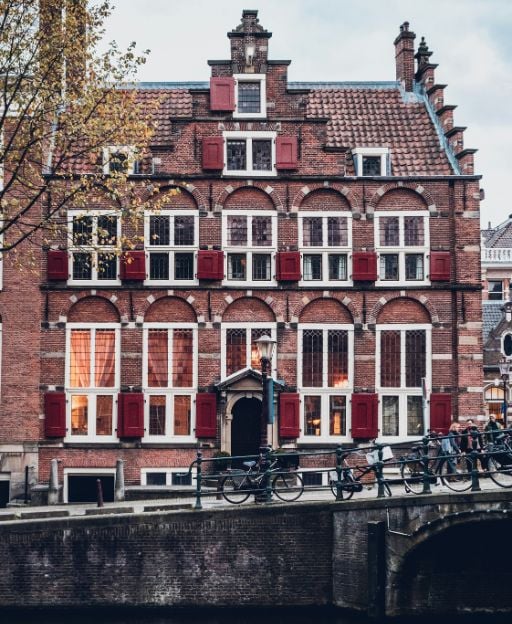
It is warmth made physical. The Dutch notice its absence the way the English notice bad weather. The Amsterdam Jordaan neighbourhood was built for it — narrow streets, canalside cafes, neighbours who actually talk to each other.
Uitwaaien — Let the Wind Think for You
Uitwaaien (OWT-wah-yen) means to go outside and let the wind blow your worries away. Literally: “out-wind.”
The Dutch do not consider this unusual. On a grey Wednesday afternoon, a colleague might say they need to go uitwaaien. No therapist required. No list of self-care steps. Just a brisk walk along a canal, into the wind, until the noise in your head quiets.
It is not meditation. It is not exercise. It is simply trusting that moving air and open sky will do something useful — and they usually do. A flat country with constant coastal winds turns out to be perfectly designed for it.
Voorpret — Joy Before the Thing Even Happens
Voorpret (FOHR-pret) is the pleasure you feel in anticipation of something good. Voor means before. Pret means fun.
The Dutch treat this as its own distinct experience — separate from the event itself. A birthday next week. A holiday booked months ahead. A concert on Saturday. Each one offers its own stretch of voorpret to be savoured.
Other languages have similar ideas. But Dutch gave it a specific name, which means something. When a culture labels a feeling, it is telling you that feeling matters enough to keep.
Enjoying this? Get stories like this every week from Love Netherlands — Subscribe free →
Lekker — The Word That Means Everything Nice
Lekker (LECK-er) is the most flexible word in Dutch. It means delicious, but also comfortable, pleasant, enjoyable, and just right.
The soup is lekker. The warm duvet on a rainy morning is lekker. The spring sun on your face — very lekker. A satisfying day at work — also lekker. The Dutch use it constantly, and with complete sincerity.
English speakers try to translate it as “nice,” but lekker has more texture. It lands with a sense of physical pleasure, as if the feeling in question is something you could almost taste. Learning to use lekker correctly is one of the first signs you’ve started to understand the Dutch.
Borrelen — The Art of Drinks and Connection
Borrelen (BOR-eh-len) means to have drinks together — but the English translation misses everything important.
It is not just drinking. Borrelen is the whole ritual: the end of the working week, the bowl of bitterballen on the bar table, the standing-around-talking that somehow fixes everything. You borrelen with colleagues, friends, and neighbours. You do not need a reason.
The Dutch turned the after-work drink into something almost ceremonial. Other cultures do similar things. But the Dutch gave it a name, a dedicated snack, and a set of unspoken rules. That level of commitment says everything.
What These Words Tell You
Look at these five words together. The Dutch have named warmth (gezellig), wind as therapy (uitwaaien), anticipatory joy (voorpret), everyday pleasure (lekker), and communal drinking as ritual (borrelen).
These are not accidents. A language names what a people value. Dutch tells you that the Netherlands is a country that takes small pleasures seriously. That cosiness is not trivial. That wind is medicine. That looking forward to things is half the fun.
You can learn these words in an afternoon. Understanding what is behind them takes a little longer — and that is exactly why it is worth visiting. If you are just starting your journey into Dutch culture, the Start Here guide is the best place to begin.
Frequently Asked Questions
What does gezellig mean in English?
Gezellig has no direct English equivalent. It describes a feeling of warmth, cosiness, and social comfort — the sense of being exactly where you want to be, with the right people, in the right place.
Can visitors use these words in the Netherlands without it seeming odd?
Yes — and the Dutch genuinely appreciate the effort. Saying something is “heel gezellig” (very gezellig) or calling a meal “lekker” will earn you a smile. Pronunciation matters less than the attempt.
What is the best Dutch word to learn first as a visitor?
Start with lekker. It covers food, weather, comfort, and mood — and you will find a reason to use it within the first hour of arriving. Master gezellig second, and you will understand the country’s soul.
Are these Dutch words used across the whole country?
Yes — all five words are standard Dutch, understood everywhere from Amsterdam to Maastricht. Regional accents will change how they sound, but the words themselves are universal.
Love Netherlands — Free Every Week
Canal towns, hidden villages, Dutch stories. A free letter about the Netherlands — written slowly, delivered weekly.
Love more? Join 65,000 Ireland lovers → · Join 43,000 Scotland lovers → · Join 30,000 Italy lovers →
Free forever · One email per week · Unsubscribe anytime
Learning these words will not teach you Dutch — not really. But they will teach you something better: how a country decides what matters enough to name. Warmth. Wind. Anticipation. Pleasure. Connection. The Netherlands named them all.
Tours & experiences you might love


Powered by Viator. Some links are affiliate links — we may earn a small commission at no extra cost to you.