
Best Neighbourhoods in Amsterdam
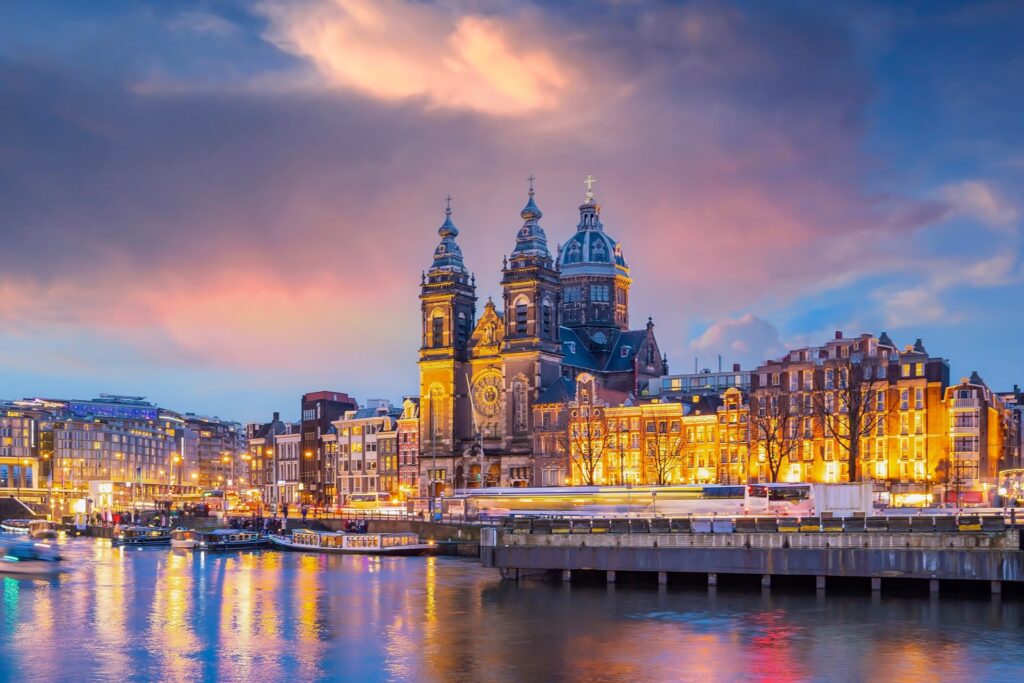
Amsterdam is a city of distinct neighbourhoods, each with its own markets, parks and brown cafés. From canal-lined streets to bohemian markets, the Dutch capital offers something for every traveller. Whether you’re seeking art and culture, culinary excellence, or authentic local experiences, understanding Amsterdam’s diverse communities will help you choose the perfect base for your visit.
The city’s official visitor site has a page for each area: I amsterdam neighbourhood guides.
Jordaan: The Brown-Café Heart of Old Amsterdam
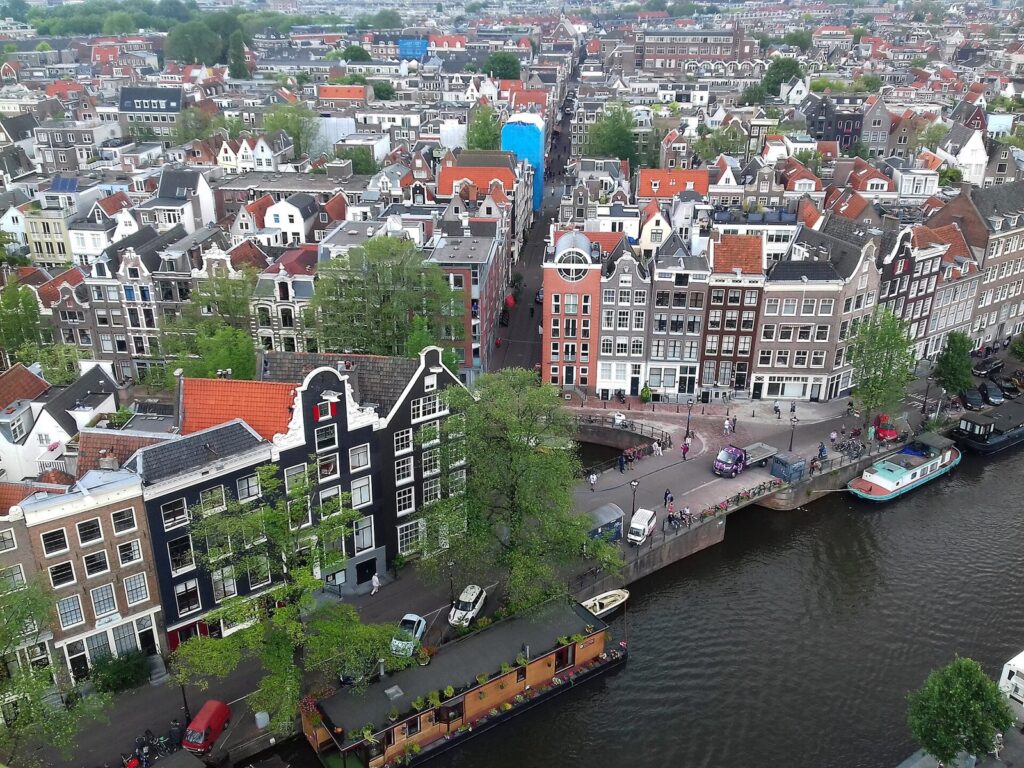
Jordaan is the quintessential Amsterdam neighbourhood—intimate, artistic, and deeply atmospheric. This area radiates warmth with its narrow cobbled streets, distinctive housefronts (many dating back to the 17th century), and cosy brown cafes tucked around every corner. The neighbourhood emerged in the 17th century as a working-class district and has since evolved into one of Amsterdam’s most coveted areas, beloved by locals and visitors alike.
What to do there: Wander the narrow streets between the Prinsengracht and the Lijnbaansgracht, browse independent galleries and vintage shops, relax in courtyards hidden behind building facades, and visit the Noordermarkt, with its farmers’ market on Saturdays. The Anne Frank House sits on the edge of Jordaan, and numerous small museums celebrate local history and art.
Who it’s best for: Romantic couples, artists, photographers, and anyone seeking an authentically Dutch, neighbourhood-focused experience away from the tourist masses.
Dining recommendation: Eat at Café de Reiger on the Nieuwe Leliestraat, a Jordaan eetcafé with a brown-café bar at the front and a small kitchen behind it.
More on the area: I amsterdam guide to the Jordaan.
De Pijp: Bohemian and Vibrant
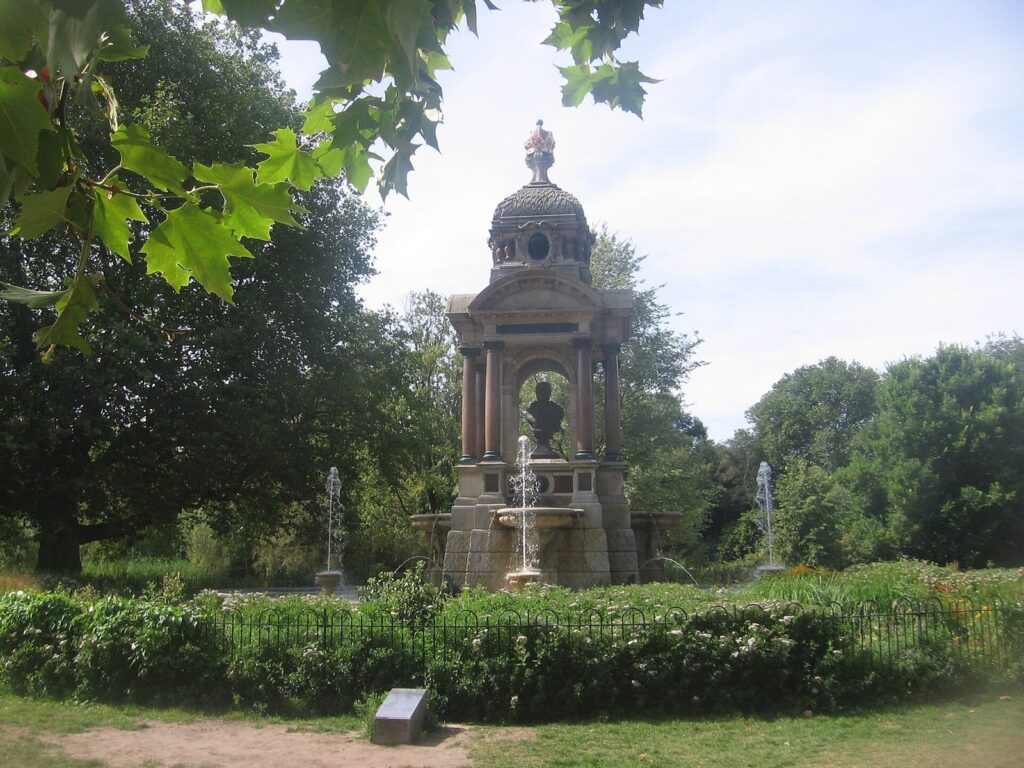
De Pijp is Amsterdam’s most spirited, youthful neighbourhood, bursting with energy, street life, and cultural vibrancy. Home to the Albert Cuyp Market on the Albert Cuypstraat, this area is defined by its independent spirit—vintage shops, craft breweries, second-hand bookstores, and an extraordinary concentration of small restaurants and cafes. The streets are narrower than elsewhere in the city, creating an intimate, almost village-like feel a short walk from the Rijksmuseum.
What to do there: Shop the Albert Cuyp Market (around 260 stalls, trading since 1905), explore quirky boutiques and record shops, sample international cuisines at neighbourhood restaurants, and soak in the street-café culture. The Sarphati Park offers green space and a local gathering spot.
Who it’s best for: Young professionals, creatives, foodies, market lovers, and anyone who wants to experience modern Amsterdam’s neighbourly vibe.
Dining recommendation: Eat your way down the Albert Cuyp Market itself, then pick a sit-down restaurant from the I amsterdam De Pijp guide below.
More on the area: I amsterdam guide to De Pijp.
Oud-West: The Emerging Creative Quarter
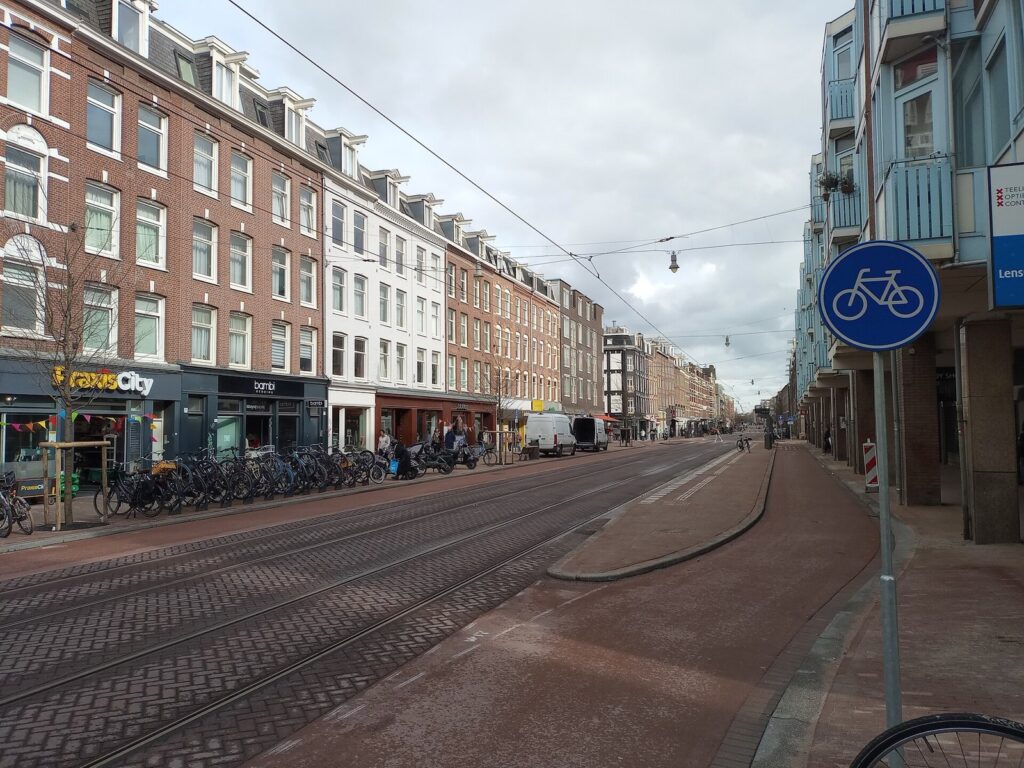
Oud-West is Amsterdam’s most rapidly evolving neighbourhood, where creative energy meets accessibility. Once overlooked by visitors, this area is now where artists, designers, and young families are choosing to live. It combines residential calm with an increasingly sophisticated food and art scene, making it feel like a neighbourhood discovering its own potential.
What to do there: Walk north to the Westerpark (in the neighbouring Westerpark district of Amsterdam West, with the Westergas venues in its old gasworks buildings), explore the Foodhallen in De Hallen (a renovated former tram depot), browse design studios and independent galleries, and discover new restaurants and cafes seemingly opening weekly.
Who it’s best for: Creative types, families, foodies happy to go a short walk west of the canal ring, and those seeking a neighbourhood with character still developing its identity.
Dining recommendation: Graze at the Foodhallen in De Hallen, the food hall inside the old tram depot, or try the street food at the Ten Katemarkt.
More on the area: I amsterdam guide to Oud-West.
Centrum: The Historic Core
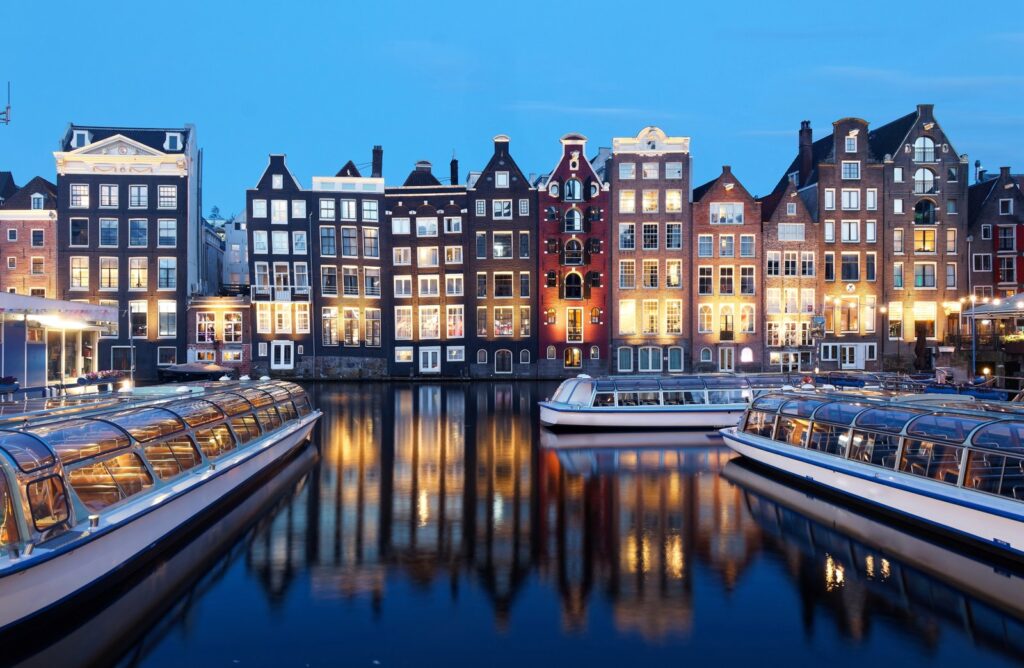
Centrum is Amsterdam’s oldest, most historically significant neighbourhood, where medieval street patterns remain largely unchanged. This is where it all began—canals, major monuments, and the city’s foundational architecture. Home to the Dam Square, the Royal Palace, and countless historic churches, Centrum is unmistakably iconic but can feel touristy in places.
What to do there: Visit the major museums (Rijksmuseum is adjacent, not in Centrum proper, but the neighbourhood includes numerous smaller museums), explore the Red Light District’s cultural history, wander the atmospheric canal streets, and discover hidden courtyards and almshouses that reveal the neighbourhood’s layered past.
Who it’s best for: First-time visitors, history enthusiasts, anyone wanting to be centrally located with easy access to everything. Accept that you’ll encounter crowds, particularly on major streets.
Dining recommendation: Visit De Jaren for international cuisine with a sophisticated Dutch influence. The large waterfront terrace offers city views, and the kitchen respects ingredient quality over unnecessary complexity.
More on the area: I amsterdam guide to Centrum.
Museumkwartier: Culture and Refinement
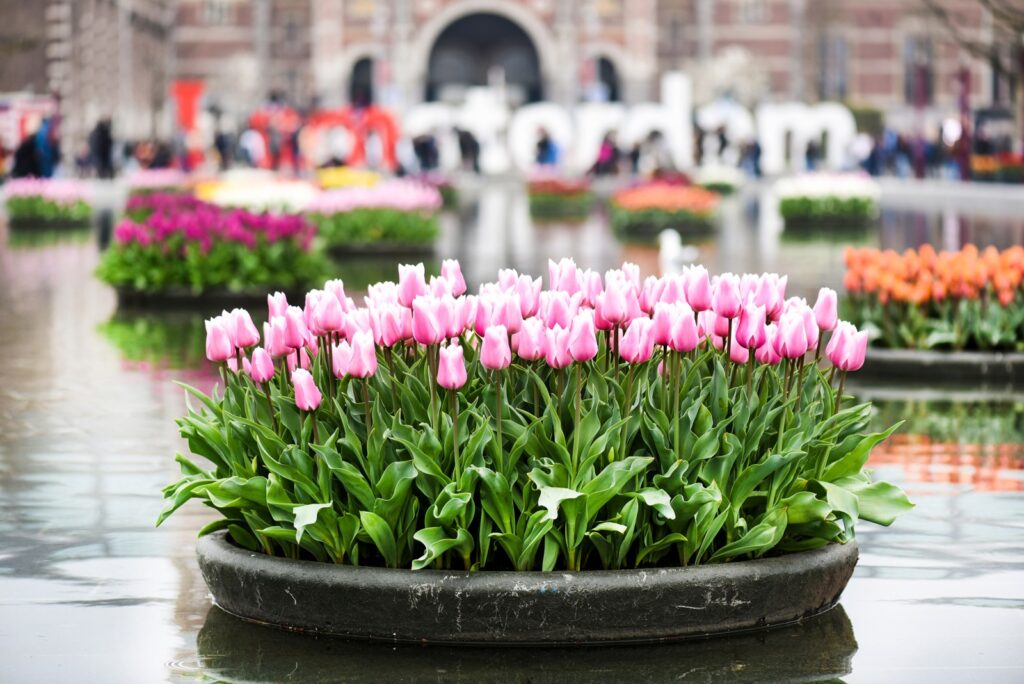
South of Centrum lies Museumkwartier, Amsterdam’s cultural quarter and one of the world’s finest concentrations of museums. Home to the Rijksmuseum, Van Gogh Museum, and Stedelijk Museum, this neighbourhood attracts art lovers from around the globe. Beyond the institutions, the area is refined, quieter than central districts, and lined with elegant townhouses, specialist bookshops, and upscale cafes.
What to do there: Obviously, spend time in the world-class museums. Beyond galleries, explore the leafy streets, relax in quiet corner cafes, visit the specialist shops (art books, design, vintage), and enjoy the neighbourhood’s cultivated atmosphere.
Who it’s best for: Art and culture enthusiasts, quiet seekers, families (despite being pricey), and anyone who values refinement and intellectual stimulation over nightlife and party energy.
Dining recommendation: Try ‘t Groot Melkhuis in the Vondelpark, a café-restaurant with a playground for children, a few minutes’ walk from the museums.
More on the area: I amsterdam guide to the Museum Quarter.
Amsterdam Noord: The Emerging Playground
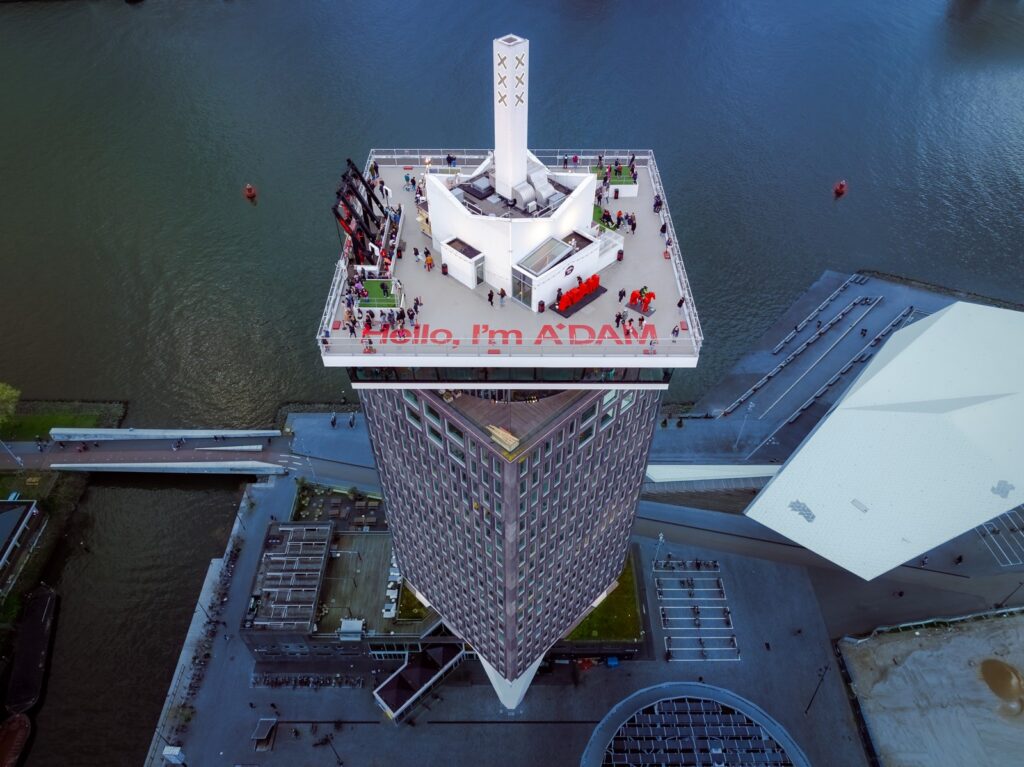
Across the IJ lies Amsterdam Noord, a free ferry ride from behind Centraal Station. Once a district of shipyards and factories, it’s now a creative hub with art spaces, music venues, outdoor cinema, and Dutch design workshops. The neighbourhood feels distinct from central Amsterdam—quieter, more spacious, less touristy, yet increasingly design-conscious and energetic.
What to do there: Visit the EYE Film Museum (housed in a striking modern building), explore street art and sculpture parks, enjoy riverside beaches and parks, see the street art at the STRAAT museum on the NDSM wharf, and experience the growing café and restaurant scene. Take the free ferries across the river—they’re part of the experience.
Who it’s best for: Contemporary art lovers, families, anyone seeking a more local, less-touristed neighbourhood, and those interested in 21st-century Dutch urban development.
Dining recommendation: Head to Café de Ceuvel for its waterside terrace, or pick a spot from the I amsterdam Noord guide below.
More on the area: I amsterdam guide to Noord.
Oost: Residential Elegance and Parks
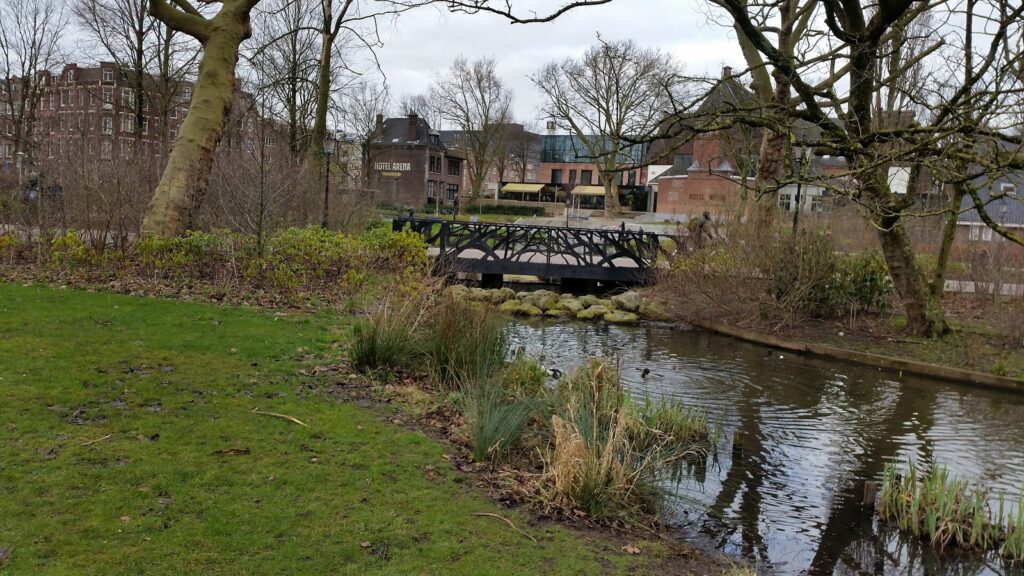
Amsterdam Oost (East) is a residential district of spacious streets lined with 19th-century buildings, parks, and an unhurried pace. The Oosterpark anchors the neighbourhood, while the Plantage neighbourhood (technically separate but overlapping culturally) adds greenery and tranquillity. Oost feels more residential than touristy, with excellent restaurants and cafes that serve locals primarily.
What to do there: Spend time in the Oosterpark and the Flevopark, cycle through tree-lined streets, visit the Wereldmuseum Amsterdam beside the Oosterpark, browse the Dappermarkt, and enjoy neighbourhood cafes and restaurants with minimal tourist presence.
Who it’s best for: Those seeking calm, greenery, and residential Amsterdam; park lovers and cyclists; anyone wanting to experience how Amsterdammers actually live.
Dining recommendation: Eat your way along the Dappermarkt, Oost’s street market, then pick a restaurant from the I amsterdam Oost guide below.
More on the area: I amsterdam guide to Oost.
Plantage: Green and Literary
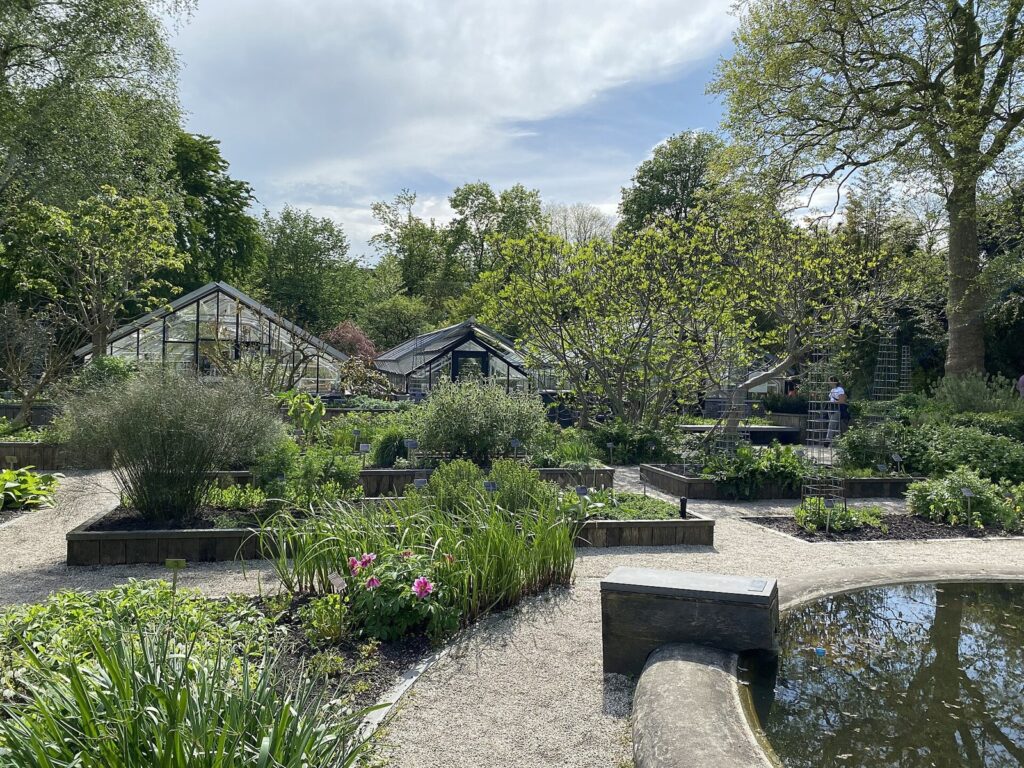
Plantage is Amsterdam’s green heart—a neighbourhood of broad avenues, generous parks, botanical gardens, and tree-lined streets. It’s home to the Amsterdam Zoo, the Dutch Resistance Museum, and the Portuguese Synagogue. Despite its central location, Plantage feels like a village within the city, with cultural institutions and an intellectual, peaceful atmosphere.
What to do there: Walk through the Artis Amsterdam Zoo, visit the Botanical Gardens, explore the neighbourhood’s cultural museums, sit in quiet parks, and visit the peaceful spots where 17th-century Jewish refugees built community.
Who it’s best for: Families, nature lovers, those seeking quieter Amsterdam experiences, and anyone interested in Jewish heritage and Dutch history.
Dining recommendation: Try De Groene Olifant, a neighbourhood café-restaurant in the Plantage.
More on the area: I amsterdam guide to the Plantage.
Negen Straatjes: Intimate Shopping and Vintage
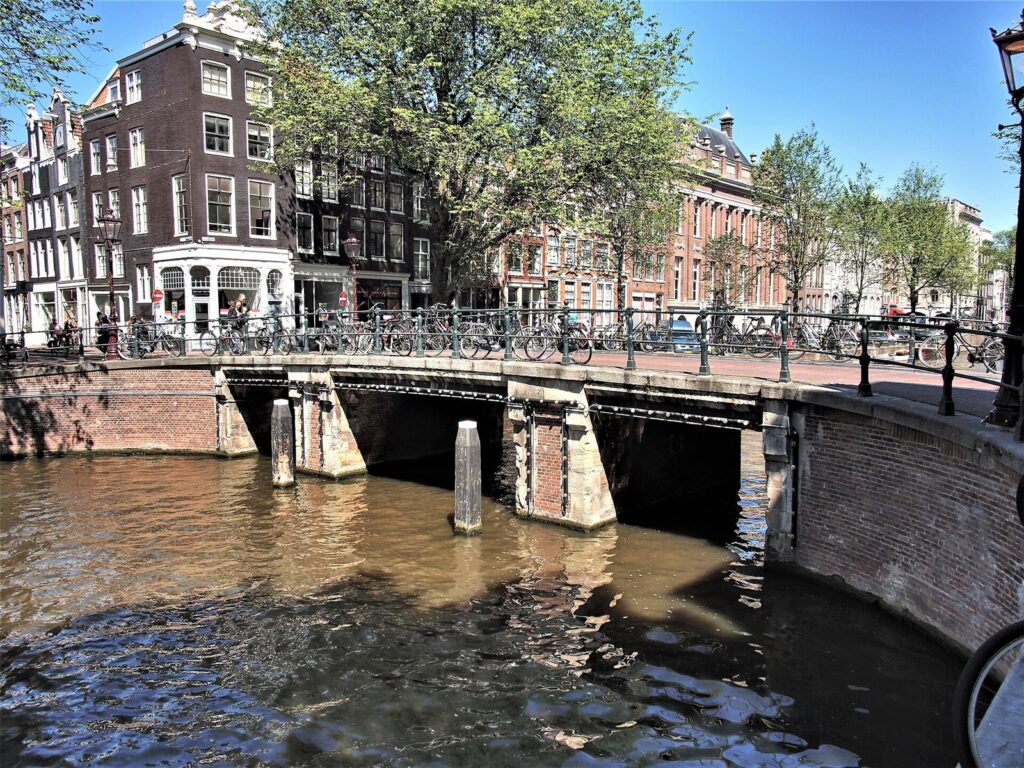
The Negen Straatjes (Nine Streets) is technically part of the Grachtengordel (the canal belt), but it deserves its own mention. These nine short streets, crossing the canals between the Singel and the Prinsengracht, form a shopping district of intimate, independent boutiques; vintage and antique shops; galleries; and tiny restaurants and cafes. Walking the Negen Straatjes is like stepping into a very refined, very Dutch version of a European village.
What to do there: Browse carefully curated independent shops (no chain stores), discover vintage fashion and antiques, stop for coffee or lunch at one of the dozens of small cafes, and simply wander—the streets themselves are the experience.
Who it’s best for: Shoppers with refined taste, vintage lovers, anyone seeking Amsterdam’s village character, and those who want to experience how locals spend a neighbourhood afternoon.
Dining recommendation: Visit Restaurant Jansz on the Reestraat for modern Dutch cooking in a historic building.
More on the area: I amsterdam guide to the Nine Streets.
Choosing Your Neighbourhood
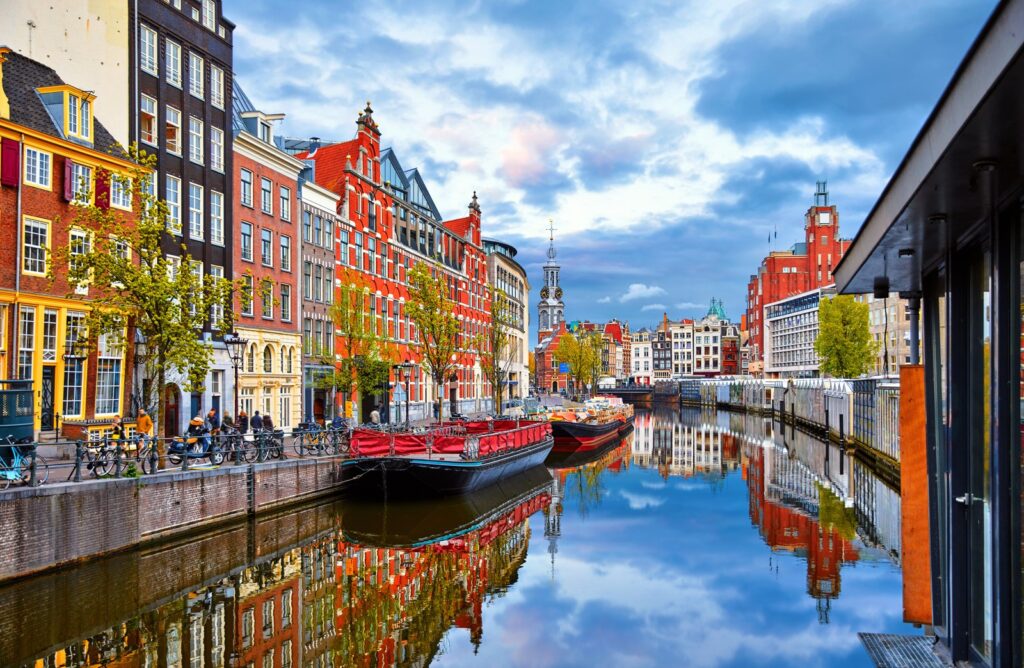
Amsterdam rewards exploration. While you can’t go wrong with any of these neighbourhoods, the best choice depends on what you seek. If you want iconic Amsterdam—museums, canals, history—stay in Centrum or Museumkwartier. If you crave authentic neighbourhood life, choose Jordaan, De Pijp, or Oost. If you want to experience how the city is evolving, try Oud-West or Noord. If you seek peace and greenery, Plantage and the park areas of Oost call. And if you want to shop, wander, and experience the very essence of Dutch village life within a city, the Negen Straatjes and De Pijp deliver.
Many visitors spend their entire time in one neighbourhood and never regret it. Others move between two or three, using neighbourhoods to experience different aspects of Amsterdam’s character. However you choose to experience the city, Amsterdam’s neighbourhoods ensure that you’ll discover something genuine, beautiful, and distinctly Dutch.
Compare areas and places to stay on the city’s official site: I amsterdam: where to stay.
Tours & experiences you might love


Powered by Viator. Some links are affiliate links — we may earn a small commission at no extra cost to you.