

Slow Days in the Achterhoek
Castles, oak-lined lanes and book-filled towns in Gelderland’s quiet rural east, a long weekend on the German border.
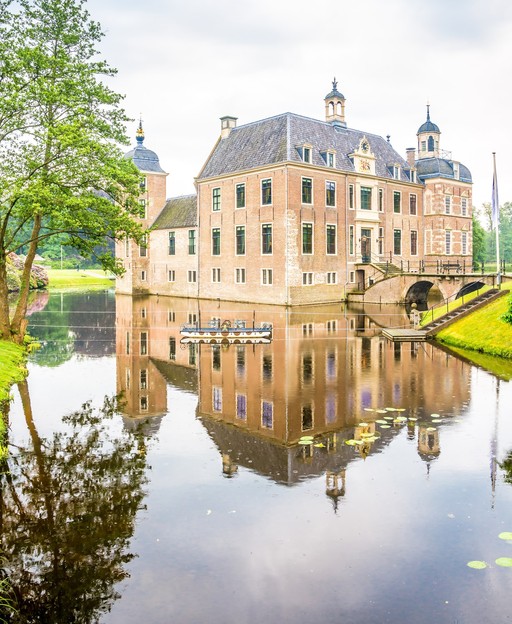
An introduction to The Achterhoek
The name means “back corner”, and it is exactly that. The Achterhoek fills the far eastern edge of Gelderland, pressed up against the German border, and most visitors to the Netherlands never reach it. They are busy with canals and tulip fields further west. That suits the region. What you find here is a countryside of small fields, hedgerows and woodland, with farms tucked into the trees and a few handsome old towns. The pace is slow, and nobody seems in a hurry to change it.
The landscape has a name of its own: the coulisselandschap, or “stage-set landscape”. Fields are divided by hedges, tree lines and copses, so the view never opens out all at once. Instead it unfolds in layers, like flats in a theatre, as you cycle round each bend. Low Saxon farmhouses sit in these clearings. The best of the old ones are the scholtenboerderijen, the farms of the village headmen and bigger landowners, with long, low roofs sweeping almost to the ground.
History runs through it too. The Achterhoek was border country for centuries, and that left it with moated castles, country estates and fortified towns. Groenlo was besieged in the Eighty Years’ War, and the castles of the old noble families still stand among the woods. The people speak Achterhoeks, a Low Saxon dialect, and they have a reputation for plain speaking, dry humour and a warm welcome once you have sat down.
This guide takes you through the region in the order that makes most sense on a short trip: the estates, the landscape itself, the farms, and then three towns with very different characters. Bredevoort is a village of books, Winterswijk is a nature-lover’s base with a famous painter’s childhood home, and Groenlo is a fortress town. A three-day itinerary, places to stay and the practicalities follow.
In this email
- Castles and country estates: moats, gatehouses and parkland
- The coulisselandschap: hedgerows, oak lanes and how to see them
- Scholtenboeren and farm life: half-timbered farms and Achterhoek traditions
- Bredevoort: the book town
- Winterswijk: Mondrian’s youth, heath and bog
- Groenlo: siege history and a fortified town
Best time to visit: Late April to June, when hedges are in leaf and the woods are full of birdsong, and September to mid-October, for soft light and autumn colour along the oak lanes. July and August are warm and good for cycling. Winter is quiet, and many smaller attractions close or shorten their hours, so check before you travel.
Travel logistics: Allow about two hours from Amsterdam by public transport, usually with a change at Arnhem. Regional trains run from Arnhem through Doetinchem towards Winterswijk, so Doetinchem and Winterswijk make easy bases. A car is the easiest way to link the castles and smaller villages, but cycling is far better for the landscape. The Netherlands’ numbered fietsknooppunten (cycle junction) network is well signed here, and bikes can be hired in several towns. Always confirm opening times, because many estates are private or only open on set days.
Continue reading with a Premium subscription
This is a Love Netherlands Sunday Premium guide. Premium subscribers receive the full article in their inbox every Sunday and unlock the full archive of past editions.
Become a Premium subscriber →Tours & experiences you might love


Powered by Viator. Some links are affiliate links — we may earn a small commission at no extra cost to you.