

Maastricht does not feel like the rest of the Netherlands. The further south you travel into Limburg province, the more the country quietly reinvents itself. The flat polder landscape gives way to rolling hills. The Dutch language picks up a warm southern lilt. The cities carry a distinctly Burgundian flavour inherited from centuries of proximity to Belgium and France. If you want things to do in Maastricht Netherlands that go well beyond canal selfies, you have come to the right place. Roman ruins sit beneath a 17th-century basilica. The locals eat four-hour Sunday lunches without apology. And the river Maas reflects honey-coloured medieval towers at dusk.
Love the Netherlands? Join our free newsletter for hidden Dutch gems → inlovewithnetherlands.com/subscribe
Why Maastricht Stands Apart from Every Other Dutch City
Most visitors arrive expecting a scaled-down Amsterdam. They leave astonished they found something entirely distinct. Maastricht is the Netherlands’ oldest city. The Romans built a garrison here in the first century BC, calling it Trajectum ad Mosam — the crossing on the Maas. That 2,000-year layer cake of history shows at every turn.
The city sits on the tip of a narrow strip of land wedged between Belgium and Germany. Walk ten minutes south and you cross into Belgium. Drive east for twenty and you reach Aachen. This geographic quirk shaped everything. The architecture borrows from Flanders and the Rhineland. The food reflects a French-Belgian sensibility. Residents of Maastricht will tell you, with some pride, that they are not quite like people from Amsterdam.
The result is one of the most liveable cities in northern Europe — a place where a long lunch, an afternoon in a museum, and an evening on the Vrijthof feels like exactly the right way to spend 48 hours.
Things to Do in Maastricht Netherlands: The Vrijthof Square
Every visit begins here. The Vrijthof is a vast medieval square at the heart of the old town. The Romanesque towers of the Sint-Servatiuskerk — the oldest church in the Netherlands — flank one side. The Gothic Sint-Janskerk stands opposite, its tall red tower open for views across the rooftops.
The square fills with café terraces from spring through autumn. Locals treat it as an extension of their homes. Come on a weekday morning and you find it half-empty and peaceful. Arrive on a summer evening and it buzzes with energy from every corner. Every few years the entire square floods with spectators for the Bondspartij, a traditional shooting ceremony dating back to 1434. Maastricht keeps its traditions alive.
Sit at any terrace, order a glass of bok (the local seasonal beer) or a wijntje, and watch the city move around you. This is the Burgundian lifestyle in action — not a tourist performance, but a genuine way of life.
Explore More of the Netherlands
From Maastricht to the Maas delta, our Netherlands Start Here guide helps you plan every stop — including the southern provinces most visitors miss entirely.
Sint-Servaasbrug and the River Maas
Cross the Vrijthof heading east and you reach Sint-Servaasbrug — the oldest bridge in the Netherlands. The current stone structure dates to the 13th century. But a river crossing has stood here since Roman engineers first chose this site two millennia ago. Walk its length slowly. The views upstream and downstream of the Maas rank among the finest in any Dutch city, particularly at golden hour when the water turns amber and the church spires catch the light.
The east bank neighbourhood, the Wyck, concentrates Maastricht’s creative energy. Boutique shops, independent restaurants, and excellent coffee bars line the streets between the station and the river. The Wyck is where Maastricht locals go rather than day-trippers, and where many of the best evening meals happen.
The Basilica of Our Lady: Maastricht’s Hidden Masterpiece
Two blocks south of the Vrijthof stands the Onze-Lieve-Vrouwebasiliek, the Basilica of Our Lady, and visitors in a hurry consistently underestimate it. The Romanesque interior dates to the 11th century. The Chapel of Our Lady of Maastricht creates an atmosphere unlike anywhere else in the Netherlands. Hundreds of votive candles flicker in the dim light. Silver hearts cover the walls, left by the faithful over centuries. The effect is genuinely moving, regardless of your beliefs.
The basilica treasury holds one of the Netherlands’ finest collections of medieval goldsmithing. This includes the reliquary of St Servatius — a 12th-century casket that experts regard as the greatest example of Mosan art in existence. Most visitors walk straight past without knowing it is there.
Underground Maastricht: The St Pietersberg Caves
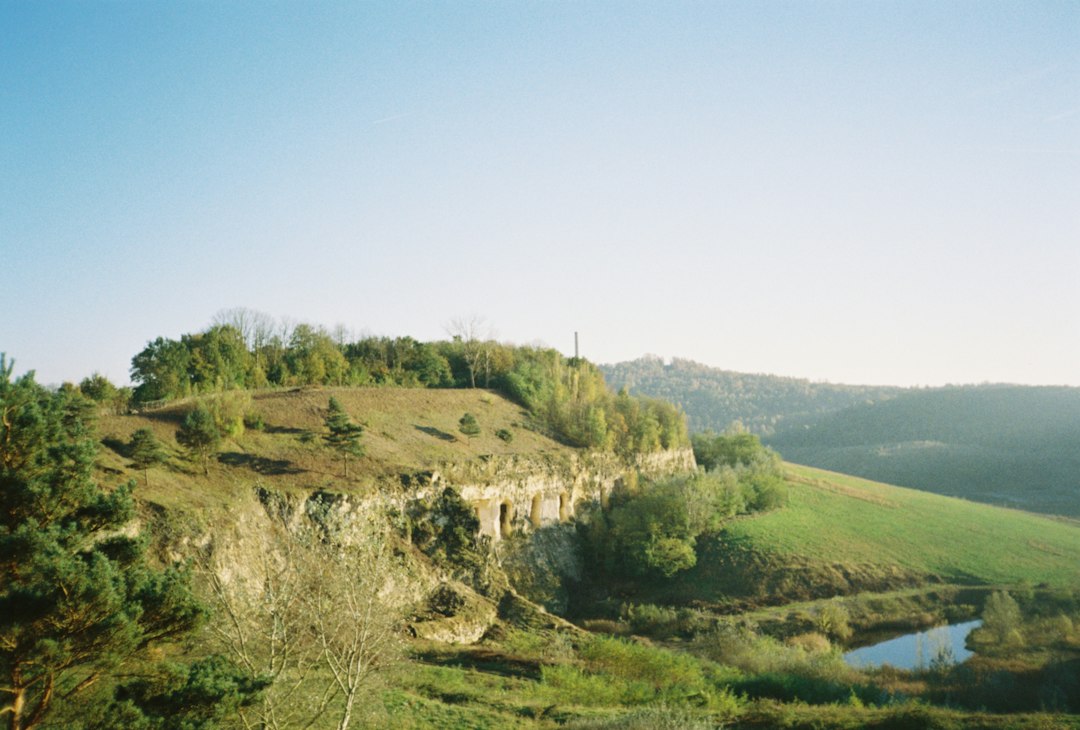
Beneath the soft marlstone hill just south of the city lies a labyrinth that shocks most first-time visitors. Quarry workers dug over 200 kilometres of tunnels here, starting in Roman times and continuing for centuries. The St Pietersberg cave system ranks among the largest in Europe. Guided tours lead you through passages where 18th-century soldiers sheltered, where artists painted murals by candlelight, and where the citizens of Maastricht hid during wartime bombardments.
Book your tour at the North Entrance (Noordingang) for the standard route, or opt for the candlelit evening tours available in autumn and winter. Bring a warm layer — the temperature underground holds at 10°C year-round, regardless of the season above.
Dutch Food and Drink in a Burgundian Key
Maastricht eats differently from the rest of the Netherlands. The city sits firmly within French-Belgian culinary culture. Restaurants here take food more seriously than almost anywhere else in the country. The zoervleis — a sweet-sour stew slow-cooked with gingerbread — is the regional speciality. Most traditional eetcafés serve it with friet and a crisp salad.
For a wider exploration of Dutch food traditions, our Dutch food guide covers the full range from stroopwafels to stamppot. But Maastricht’s Belgian influence means you will also find exceptional mussels, Flemish stews, and wine lists that would not embarrass a Paris bistro.
The weekend markets on the Markt square and around the city centre reward browsing. Local cheeses, fresh bread, and the Limburgse vlaai — a flat fruit tart that every village bakes slightly differently — are the highlights. Debates about whose vlaai is finest run long and contentious.
TEFAF and Maastricht’s Year-Round Art Life
Every March, Maastricht becomes the art capital of Europe. TEFAF — The European Fine Art Fair — brings together over 280 of the world’s leading dealers in antiques, fine art, and design for a ten-day event at the MECC exhibition centre. The city’s relationship with art extends well beyond the fair. The Bonnefantenmuseum on the east bank holds an impressive collection of medieval Mosan art and contemporary work. Galleries cluster throughout the old town year-round.
The Bonnefantenmuseum building alone justifies crossing the Sint-Servaasbrug. The architect Aldo Rossi gave it a distinctive silver rocket-shaped dome that contrasts sharply with everything around it. It works beautifully.
Day Trip to Valkenburg and the Limburg Hills
Maastricht makes an ideal base for the only genuinely hilly region in the Netherlands. Take the train twenty minutes south to Valkenburg — a small castle town with its own cave system, the ruins of a medieval fortress on a ridge, and a calendar full of Christmas markets in December that draw visitors from across three countries.
The surrounding Heuvelland offers walking and cycling routes through orchards, half-timbered farms, and quiet villages. After the relentless flatness of the Randstad, this rolling landscape feels like a different country. Our guide to Breda in North Brabant covers another fascinating southern city worth combining with Maastricht, and our Rotterdam city guide makes the ideal northern bookend to a week in the Dutch south.
Getting to Maastricht
Direct intercity trains connect Amsterdam Centraal to Maastricht in around two and a half hours. Services depart roughly every thirty minutes throughout the day. From Rotterdam the journey takes about two hours. From Brussels-Midi, Maastricht is ninety minutes away by train — making it a compelling cross-border destination for visitors already in Belgium.
Within Maastricht, the old town is compact enough to explore entirely on foot. Hire a bike to reach St Pietersberg or to cycle through the Heuvelland beyond the city limits.
When to Visit Maastricht
The city rewards a visit in almost any season. Spring brings blossom to the parks and café terraces back to the Vrijthof. Summer is busy but never overwhelming — Maastricht’s distance from Amsterdam means it rarely suffers the same tourist pressure as the Randstad cities. Autumn brings the cave tours, harvest markets, and the first bok beers of the season.
Winter in Maastricht is genuinely special. The Christmas market on the Vrijthof and Onze-Lieve-Vrouweplein rates among the finest in the Netherlands, with wooden stalls, mulled wine, and the basilica bells rolling across the square. Avoid Carnival weekend in February or March unless you actively want to join it. The celebrations here are among the most energetic in the country, and the city fills completely with revellers from across the region.
You Might Also Enjoy
- Gouda: The Complete Day Trip Guide from Amsterdam or Rotterdam
- Haarlem: The Golden Age City on Amsterdam’s Doorstep
- The Dutch Food Guide: What to Eat and Where to Find It
Plan Your Netherlands Trip
Ready to explore beyond the tourist trail? Our Netherlands Start Here guide brings together our best travel advice, itinerary ideas, and city guides to help you plan a trip that goes well beyond the standard highlights.
Frequently Asked Questions About Visiting Maastricht
How far is Maastricht from Amsterdam by train?
Maastricht sits around two and a half hours from Amsterdam Centraal by direct intercity train, with departures approximately every thirty minutes throughout the day.
What draws visitors to Maastricht?
Maastricht draws visitors for its status as the Netherlands’ oldest city, for the 1992 treaty that created the European Union, for the TEFAF art fair held every March, and for its Burgundian food culture and medieval historic centre.
Is Maastricht worth visiting for a weekend?
Yes — two full days gives you time to cover the old town, the cave system, the Bonnefantenmuseum, and a half-day excursion to the Limburg hills. Many visitors find they wish they had booked three nights instead of two.
What is the best area to stay in Maastricht?
The old town on the west bank of the Maas puts you within walking distance of the Vrijthof and the Sint-Servaasbrug. The Wyck neighbourhood on the east bank sits closer to the station and offers excellent independent restaurants and a calmer atmosphere.
Join Netherlands Lovers
Every week, discover the Netherlands beyond the tourist trail — hidden villages, local recipes, cycling routes, and travel insights you won’t find in any guidebook.
Subscribe free — enter your email:
Love more? Join 64,000 Ireland lovers → · Join 43,000 Scotland lovers → · Join 30,000 Italy lovers →
Free forever · One email per week · Unsubscribe anytime
Tours & experiences you might love


Powered by Viator. Some links are affiliate links — we may earn a small commission at no extra cost to you.