
Into the Quiet Corner: A Complete Guide to the Achterhoek
Where eight castle estates hide in oak-lined lanes and a whole town was built from books
An introduction to The Achterhoek
The name alone is a small poem. Achterhoek — the Back Corner — sits in the far east of Gelderland, pressed against the German border and largely overlooked by a tourist trail that rushes between Amsterdam’s canal houses and the Rhine cities to the south. And yet this unhurried wedge of the Netherlands contains something quietly extraordinary: a landscape of moated castle estates, centuries-old farmhouses, and small towns that have chosen, stubbornly and wonderfully, to do things their own way.
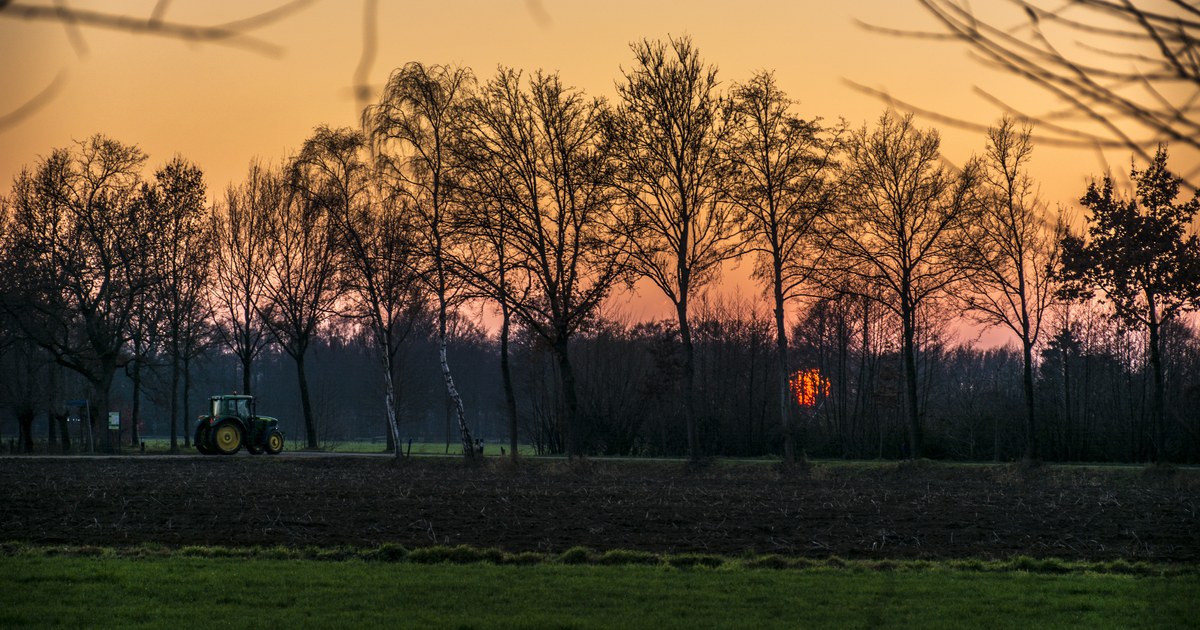
The defining quality of the Achterhoek is its scale. Nothing here is grand in the way that the Randstad is grand. The roads narrow. The hedgerows close in. Oak lanes wind and dip without apparent hurry, and around each bend you might find another manor house rising from behind its moat or another thatched scholtenboerderij farmhouse materialising between stands of old oak. This is coulisselandschap — a theatre-wing landscape, named for the way hedgerows and copses frame each meadow like stage flats, drawing the eye through one scene and into the next. It is a quality of enclosure and disclosure that feels genuinely rare in modern Europe.
What distinguishes the Achterhoek from the rest of rural Netherlands is the persistence of its old forms. The scholtenboeren — the prosperous freeholder farmers who dominated this region for centuries — were conservative by nature, and their conservatism preserved a patchwork of small fields, stream-side woodland, and sunken lanes that modern agriculture has flattened almost everywhere else. Walking a path near Winterswijk or cycling between Vorden and Zelhem, you move through a landscape that would be broadly recognisable to someone from the seventeenth century. The Berkel river still winds through willows on its way northwest to meet the IJssel at Zutphen. The hedge-lines still follow the old property boundaries. Even the parish church spires still punctuate the horizon at precisely the distance they were built to be seen.
And then there are the towns. Bredevoort quietly reinvented itself as a book town thirty years ago and has been gently extraordinary ever since. Groenlo defended itself against Spanish siege armies in the Eighty Years’ War and then gave its name to one of the world’s most recognisable beers. Winterswijk sits above 240-million-year-old Triassic seabeds and is ringed by some of the most species-rich forests in the Netherlands. The Achterhoek does not shout. But it has a very great deal to say.
In this email
- The eight castle estates of Vorden: a moated manor trail through the heart of the region
- Bredevoort: the Netherlands’ founding book town, and what makes it so singular
- Groenlo: a fortified vestingstad, a famous siege, and the beer that carries its name across the world
- Winterswijk: where Triassic seabeds surface at the forest’s edge
- Cycling and walking the coulisselandschap: how to read the hedgerow landscape
- A three-day itinerary, where to stay, and everything you need to plan your visit
Best time to visit: Late April to early June for the stinzenplant blooms at Kasteel Hackfort and the first settled warmth on the cycling lanes; September for harvest colours and quieter roads. Summer is pleasant but the region grows busier in July and August. Winter is atmospheric, particularly around Groenlo’s old moat and earthwork bulwarks on a still, foggy morning.
Travel logistics: Arriva operates regular Sprinter services from Zutphen — well connected to Utrecht and Amsterdam via Arnhem — and from Arnhem directly through Doetinchem to Winterswijk, typically twice hourly. The region’s roughly 1,500 kilometres of knooppunten — the numbered-junction cycling network — are the real infrastructure for exploration: hire a bicycle at or near any station, plan a sequence of junction numbers, and let the hexagonal signs guide you through the back lanes. No detailed map-reading required.
Continue reading with a Premium subscription
This is a Love Netherlands Sunday Premium guide. Premium subscribers receive the full article in their inbox every Sunday and unlock the full archive of past editions.
Become a Premium subscriber →Tours & experiences you might love


Powered by Viator. Some links are affiliate links — we may earn a small commission at no extra cost to you.