

The Biesbosch: Into the Drowned Land
Where a medieval catastrophe created one of Europe’s last great freshwater tidal wetlands — and the wilderness quietly took over.
An introduction to The Biesbosch
There are places in the Netherlands that exist because the sea won. The Biesbosch is one of them. On the night of 18 November 1421, a catastrophic storm surge tore through the dikes of the Grote Hollandse Waard, a great polder south of Dordrecht. The water rushed in and did not leave. Somewhere between 2,000 and 10,000 people died — the records are uncertain, the grief was not. Around 72 villages, farms, and monasteries were swallowed whole, and nearly 300 square kilometres of productive farmland became an inland sea. What the survivors called a disaster, six centuries later we recognise as the accidental birth of one of Europe’s most extraordinary wild places.
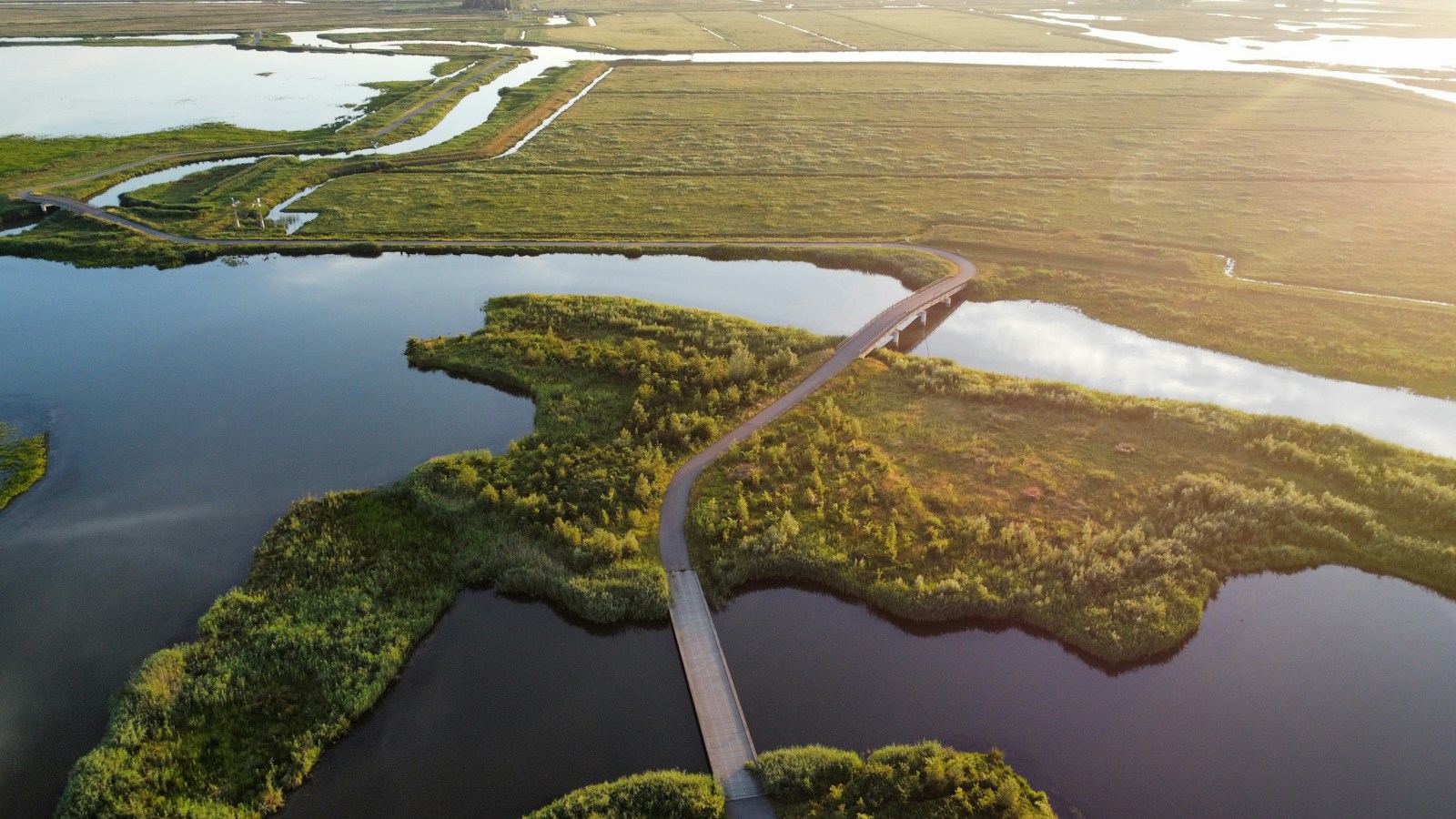
The Biesbosch — the name means “reed forest” — stretches across roughly 9,000 hectares of water, mud, island, and dense vegetation where the great rivers of the Rhine and Meuse finally loosen their grip before reaching the sea. It is divided into three main areas: the Sliedrechtse Biesbosch to the north, the Dordtsche Biesbosch near the city of Dordrecht, and the largest section, the Noord-Brabantse Biesbosch to the south. Together they form one of the last places in Northwestern Europe where freshwater tides still pulse through the landscape — the water rising and falling twice a day, drawing life deeper into the reed beds and willow forests, then releasing it again.
What makes the Biesbosch genuinely astonishing is not just its size, but its wildness. Beavers — absent from the Netherlands for centuries — were reintroduced here in the late 1980s and now number in the hundreds, their lodges tucked into the banks of narrow kreken (creeks) that only a canoe can reach. White-tailed eagles, Europe’s largest birds of prey, have returned to breed. Otters thread through the shallows. Bitterns boom from the reed beds at dawn. This is a landscape that swallowed human ambition whole and then, slowly, handed itself back to the animals.
For visitors, the Biesbosch repays patience and a certain willingness to go slowly. The best moments here happen at five knots or less — gliding a silent electric whisper boat through a tunnel of willows, hearing nothing but water birds and the lap of the current against the hull. If you come expecting the curated prettiness of a Dutch canal town, you will find something altogether more elemental: a place still visibly in conversation with flood, tide, and deep time.
In this email:
- The drowned land: the St Elizabeth’s Flood of 1421
- On the water: whisper boats and the silence between the willows
- Paddling the kreken: canoe and kayak routes
- Wild Biesbosch: beavers, eagles, and what else lives here
- The grienden: walking into the willow world
- A two-day Biesbosch itinerary
Best time to visit: Late April through June for nesting birds and lush willows; September for osprey migration and golden light; winter for solitude and impressive gatherings of wintering waterfowl. Avoid midsummer weekends, when the waterways grow busy.
Travel logistics: The Biesbosch is best reached from Dordrecht (the Biesboschcentrum is a 10km cycle from the station) or from Werkendam, home of the Biesbosch MuseumEiland — both towns have good rail connections from Rotterdam and Amsterdam. For getting between the two areas, a hire car is useful; use 9292.nl for public transport planning.
Continue reading with a Premium subscription
This is a Love Netherlands Sunday Premium guide. Premium subscribers receive the full article in their inbox every Sunday and unlock the full archive of past editions.
Become a Premium subscriber →Tours & experiences you might love


Powered by Viator. Some links are affiliate links — we may earn a small commission at no extra cost to you.